California’s Rebate Blind Spot: Electric Bikes

Although California leads the nation in creating innovative policies to combat the climate crisis – from cap-and-trade to microgrids – there is a gaping hole in state efforts to reduce our carbon footprint even further: electric bikes.
As humble as e-bikes may seem, these zero-emission two-wheelers are a runaway growth story. They are the fastest growing segment of bike sales in the U.S, and last year, in Germany, they even outsold electric cars. In addition, the integration of e-bikes into bike-sharing systems has boosted ridership numbers—for example, the Bay Area’s bike-share system set daily ride records following the debut of its e-bikes in Spring 2018.
California climate policy must deal with the fact that transportation is the single largest category of greenhouse gas emissions in the state, responsible for roughly forty percent of total emissions statewide. Given this, the state has implemented a number of policies to reduce the number of gasoline-powered cars and trucks contributing to those emissions, including rebates to encourage the purchase of electric cars. These range from $7,000 to $1,000, depending on the type of vehicle (e.g. hydrogen fuel-cell vs. battery electric), price range, and the buyer’s income level. The rebates can be used to purchase a wide variety of car makes and models, including electric motorcycles.
But not e-bikes. That means California is losing a golden opportunity to accelerate an already significant – and climate friendly – transportation hit.
Expanding the rebate program to include e-bikes would not only nudge many who are considering purchasing to go ahead and do so; it would also be a far more efficient use of state funds than the way the current program is set up. That is, rather than spending $5,000 on the purchase of a single electric car, an e-bike rebate of $500 could nudge ten people to purchase an e-bike and switch to a more sustainable mode.
Indeed, given e-bikes are dramatically cheaper than electric cars, such rebates could be useful to a much broader slice of the population. Before discounts, the median price for an electric car in America in 2019 was $55,000, far above what many can pay, or obtain financing for. This doesn’t include the additional costs of insurance, maintenance, parking, and charging. On the other hand, e-bikes start at under $1,000, with higher-end models topping out at $9,000 and may models available at the lower end of this spectrum. Moreover, e-bikes do not require insurance, can be parked inside homes and offices, and can be charged from wall outlets. Why not direct rebates toward more affordable transportation options to begin with?
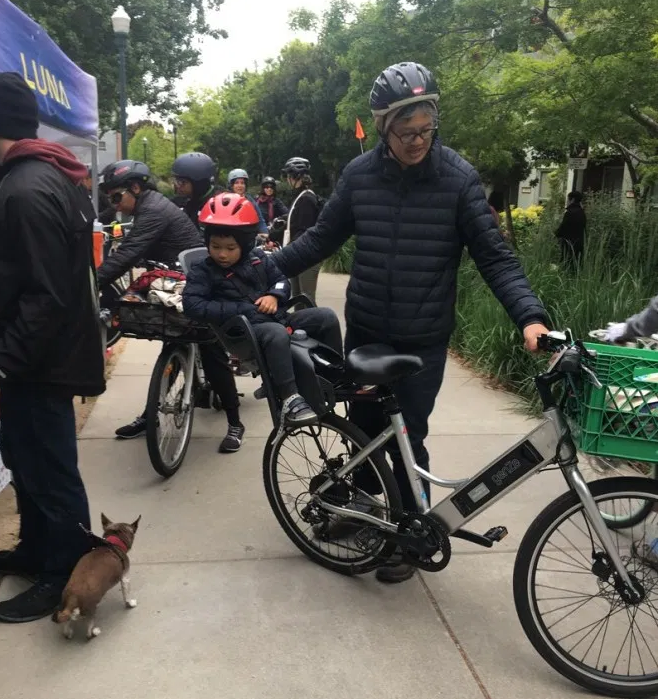
As for their utility, e-bikes serve a range of trip types and lengths, many of which can replace car trips. While commuting is an obvious use case, e-bikes (and in particular, e-cargo bikes) have also become popular with parents needing to ferry children to school or daycare. This trend has even inspired its own documentary – titled ‘Motherload’ – that makes the case for e-bikes as the great minivan slayer. The question really is not which car trips can e-bikes replace, but which can’t they? Over half of car trips in the United States are five miles or under, which are easily done by e-bike.
This call for expanding and improving California’s rebate program does not mean state legislators have done nothing in regards to e-bikes. Just last year, following a successful advocacy effort by groups like CalBike, the state included e-bikes in their Clean Cars 4 All program, which provides incentives for Californians to trade in older and more polluting cars for electric vehicles. This step should lead to the next, providing both e-bike vouchers and rebates.
California stands in a unique position to adapt existing policy to take advantage of the rapid growth of e-bikes, and expand the portfolio of sustainable transport modes to something that fits more budgets and uses state funds more efficiently.
Marcel E. Moran is a PhD Student in the Department of City and Regional Planning at UC Berkeley.

Read More:
Streetsblog has migrated to a new comment system. New commenters can register directly in the comments section of any article. Returning commenters: your previous comments and display name have been preserved, but you'll need to reclaim your account by clicking "Forgot your password?" on the sign-in form, entering your email, and following the verification link to set a new password — this is required because passwords could not be carried over during the migration. For questions, contact tips@streetsblog.org.