Harvard Researcher Calls for Better Police Reporting of Bike Crashes


Police departments need to improve the way they investigate, document, and convey information about crashes involving cyclists, according to a new study by Harvard public health researcher Anne Luskin in the Journal of Injury Prevention.
While police reports are standardized to record relatively detailed information about car collisions, the same is not true of collisions involving bikes. Better police investigations of bike collisions would help researchers, policy makers, and street designers understand what puts cyclists at risk and improve safety, according to the authors.
Lusk analyzed police crash reporting techniques in all 50 states. She also examined 3,350 police crash reports of bike collisions in New York City.
The information in the reports tended to be scarce and insufficient to determine what caused the crash. Police only consistently reported whether a cyclist was involved and whether the cyclist was wearing a helmet, her team found. Police did not consistently report factors like street conditions, angle of impact, and other information that would be useful in understanding what contributes to collisions and injuries.
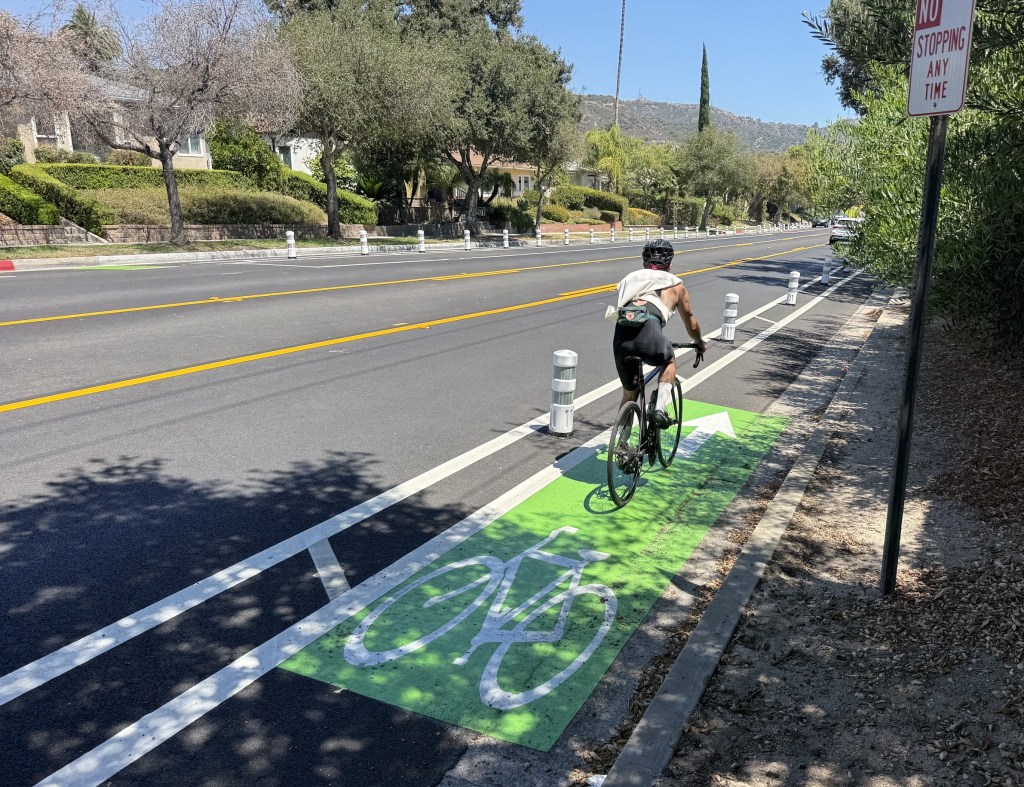
Lusk recommends that police reports be modified “to include bicycle-crash-scene reporting fields.” Right now, information that is recorded about bike crashes isn’t specially coded for entry into a spreadsheet — the type of standardization that makes data widely accessible. Police forms should include information like what type of bike infrastructure, if any, exists at the crash location; whether either person involved in the crash was turning; and the points of impact on the car and the bike.
There is less room for error if crash reports are filled in not by hand but with handheld tablets, the authors note. Many state police departments are already moving in that direction.

Read More:
Streetsblog has migrated to a new comment system. New commenters can register directly in the comments section of any article. Returning commenters: your previous comments and display name have been preserved, but you'll need to reclaim your account by clicking "Forgot your password?" on the sign-in form, entering your email, and following the verification link to set a new password — this is required because passwords could not be carried over during the migration. For questions, contact tips@streetsblog.org.