Re: Streets

re:street is a public conference that can serve both as an introduction to the new science of streets and as a basis for discussion about the form of the future city. The conference is jointly organized and hosted by the Bauhaus Universität Weimar in Germany and California State Polytechnic University in Pomona. Students of both universities will conduct a hybrid workshop led by faculty members of the Departments of Architecture, Urban and Regional Planning, and Landscape Architecture. The results will be presented at the conference. The Goethe Institute in Los Angeles will organize and curate an art program that brings artistic positions on the subject matter into the conference.
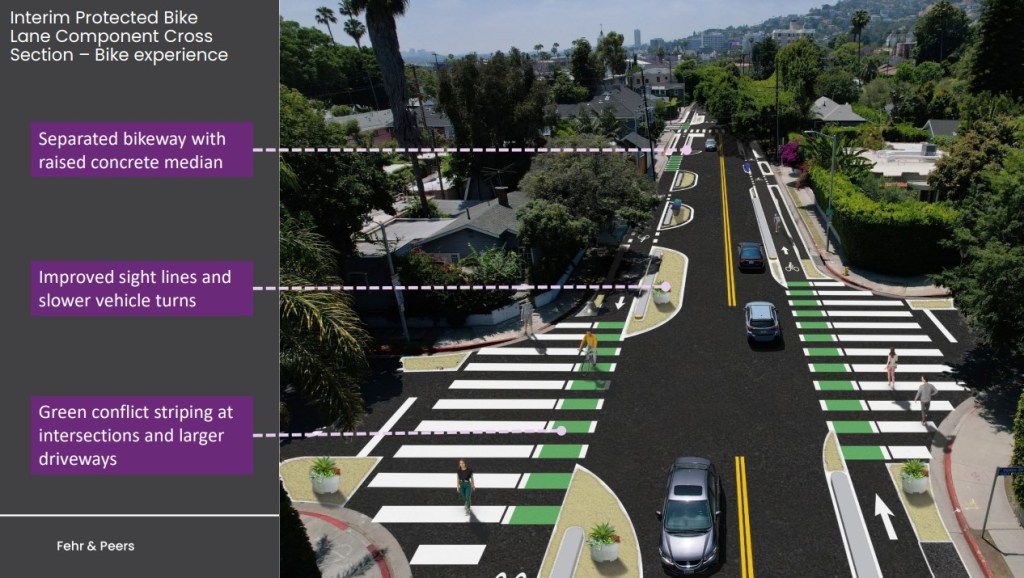
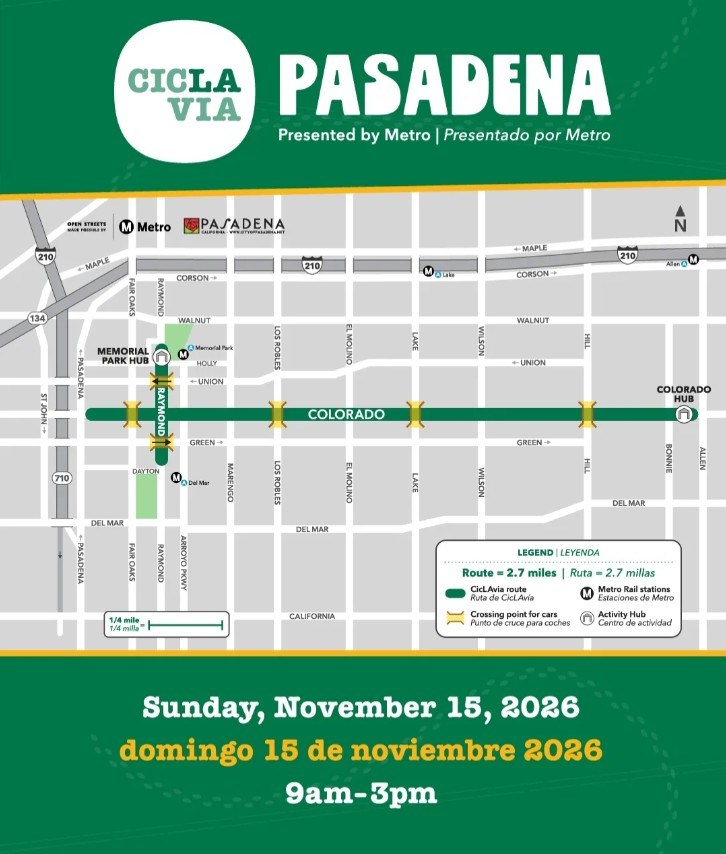
Currently evident in urban developments on both sides of the Atlantic is the fundamental and structural transformation of the street. The street is gradually freeing itself from the shackles of prescriptive norms that defined the functions and formal culture of the industrial age: the street is changing from a piece of technical infrastructure into an urban space, from a place of transit into a place to be, from a mechanism that segregated into a medium that integrates. The growing openness towards the new and sometimes contradictory requirements of the 21st century is shifting focus back to the street as a central aspect of architectural, urban, economic, technical and socio-cultural developments.
Urbanization is the mega-trend shaping the centers of both European and American cities. Although the practice of urban development over the course of the 20th century has produced very different developments, for example in Germany where retail, living, administration, business headquarters and culture as well as tram and railway transport networks are still co-exist in comparatively close quarters in the center of cities, both continents are facing the same challenges, for example:
How can cars be integrated into a new urban system of mobility? What effects do new systems of mobility have on urban space? How will streets look, what will be their effect and what meaning will they have in the digital age? How will internet-based social and economic networks change the pattern of public and private uses? How can streets respond to the boom in online retail?
What impulses can a paradigm shift in the nature of the street offer for the typology and design of buildings? How will architecture and the design of cities relate to each other in future? Who uses, who needs, who designs, who pays and who cares for an urban network of streets?
re:street brings together forward-looking American and European examples of best practice. As a flood of new phenomena transforms the function and form of the city at all levels, we will need to reflect critically on all of this and to find creative design responses. re:street intends to collect building blocks for a new science of streets and to sketch the contours of a new form of the city in its centers.
These together will inform the re:street declaration and provide the impetus for a dynamic transatlantic dialogue on the future of the city.

Streetsblog has migrated to a new comment system. New commenters can register directly in the comments section of any article. Returning commenters: your previous comments and display name have been preserved, but you'll need to reclaim your account by clicking "Forgot your password?" on the sign-in form, entering your email, and following the verification link to set a new password — this is required because passwords could not be carried over during the migration. For questions, contact tips@streetsblog.org.