DC: Getting Urban Sports Arena Development Right

Publicly backed sports arenas are always a gamble. Sold as a way to attract investment and energy, they can become big public liabilities, draining money for more essential services.

But that doesn’t stop too many cities, and there are examples of places that have gambled on sports facilities and won big.
There’s a new member of that club now: Washington, DC. It’s been nearly 10 years since the city green-lighted a package of 30-year bonds for a new home for the Nationals baseball franchise in a depressed southeastern section of the city. Kaid Benfield at the Natural Resources Defense Council’s Switchboard blog reports that the investment is paying off:
According to developers in the area, building didn’t really become financially feasible there until the city committed to the ballpark. Today, the neighborhood’s new projects are about 30 percent built. In addition to the new commercial properties, the area’s residential population has increased from about 1,000 to more than 3,500 and should eventually reach 16,000.
It is especially heartening that even those originally opposed to the stadium like what they see. Neighborhood resident Naomi Monk was a prominent skeptic, arguing that the park would only be an eyesore benefiting millionaire players and businessmen, with nothing in it for low-income residents. But in March she told Fisher that “I have to say, it’s been for the betterment of the community. Our crime seems to be under control. The neighborhood looks 100 percent better. The new housing is a great improvement.”
I’m not going to make a broader point about the extent to which public investment in sports is a good thing. It’s likely situational and, though it has been enormously beneficial here in Washington twice (though in the case of Verizon Center the city paid only for infrastructure), and it also appears to have been beneficial in nearby Baltimore, the facts and circumstances vary.
Benfield reports that the tax issued on big businesses to support the stadium is bringing in twice what was expected. Plus additional property taxes related to new investment have added $13 million to the city’s coffers. Nice, for a change, to see a city enjoying a windfall at this moment in history.
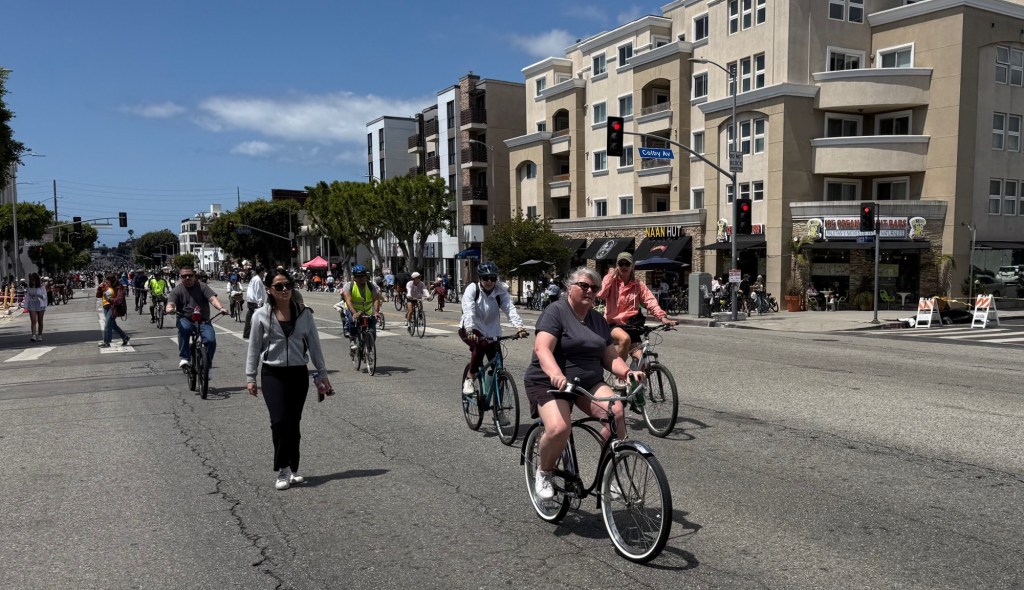
Elsewhere on the Network today: Bike Delaware shares a League of American Bicyclists’ report showing that one in four collisions between cyclists and cars involve cyclists being hit from behind. Bike Portland reports the city’s first open streets event of the season attracted an astounding 28,000 people. And Transit in Utah says sustainable transportation advocates need to do a better job developing sales pitches and buzz words.

Read More:
Streetsblog has migrated to a new comment system. New commenters can register directly in the comments section of any article. Returning commenters: your previous comments and display name have been preserved, but you'll need to reclaim your account by clicking "Forgot your password?" on the sign-in form, entering your email, and following the verification link to set a new password — this is required because passwords could not be carried over during the migration. For questions, contact tips@streetsblog.org.