LA in Maps: What’s next??


After reading the book L.A. in Maps I asked myself the question, “What’s next?”
I realized that Los Angeles is no longer being shaped by infrastructure and development. Today, Los Angeles is being shaped by culture.
The book’s historical L.A. maps give an account of the city’s growth and development. They highlight how topography, policies, resources and infrastructure systems shaped our city. These maps start with the Spanish ranches, and L.A.’s early street grid. The early rail maps set the ground work for the regions development patterns. Small towns surrounded by farms were located along rail lines. Oil wells, and movie studios, shaped how we used resources and grew around them. All this helped create our messy, vibrant urban sprawl.
Today it is impossible for any one policy, resource, or system to reshape L.A. because we are filled in and a massive city in scale. We are no longer building massive housing at the urban edge, freeways or industry but looking to densify around an urban core. A few rail lines are not going to reshape this region. Rather, culture is reshaping the Los Angeles region today.
Latinos, Asian, and hipsters, are reshaping the look and fill of LA while the shrinking middle class looks on.
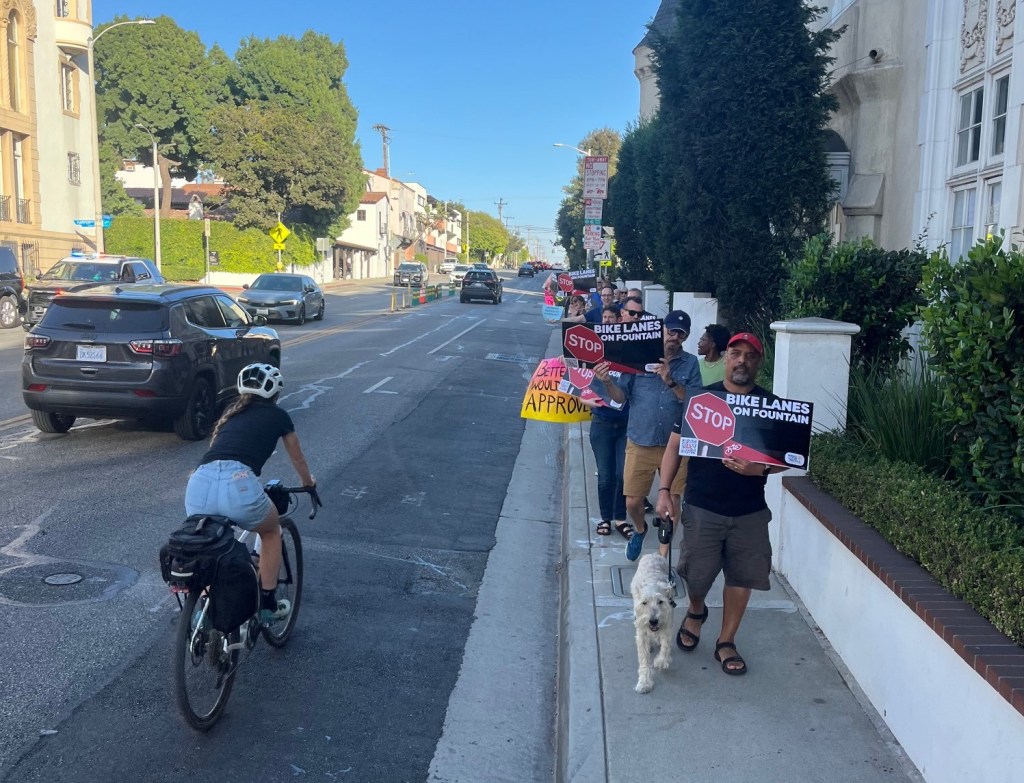
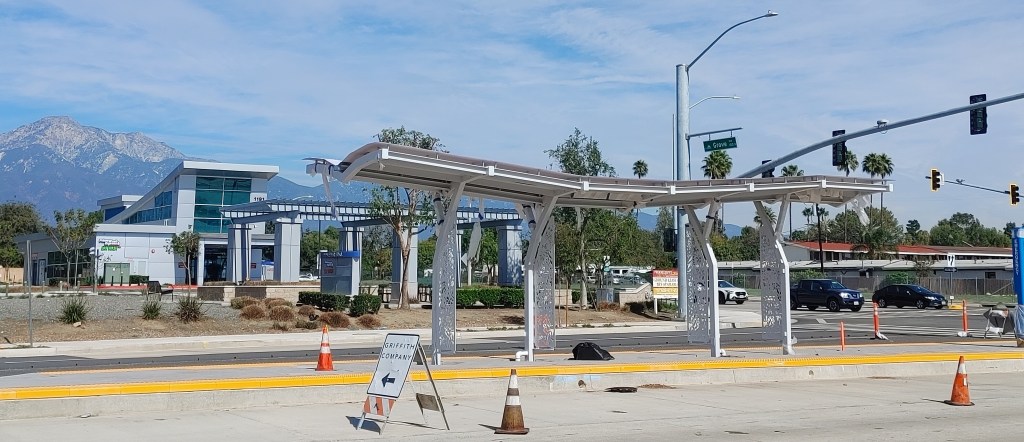
These groups are occupying large areas of the city/region and are creating different environments in these areas. For example Latinos are shopping off the sidewalks in Pico Union while hipsters are shopping in their designer stores or farmers markets in Hollywood and the Westside. Meanwhile Asians are reshaping the San Gabriel Valley and Korean Town with restaurants, large homes, and fancy cars. At the same time Latinos are crowding into buses and hipsters are clamoring for bike lanes.
And yet, because each group occupies a different economic strata and, different place in the city, rarely do they meet.
(Full Disclosure: James Rojas and Joe Linton, both contributors to this book, are Board Members for the Southern California Streets Initiative.)