


Reimagining a Healthy and Sustainable Streets in Monterey Park/Alhambra Hands-on Place It Workshop
Monterey Park and Alhambra’s commercial streets are a physical and mental assault to the human body. People don’t enjoy walking or using public transit on them. The solution to this problem has traditionally been for people to buy bigger cars and these cities widen the roads exacerbating the problem.

December 8, 2021
Latino Active Transportation: Reinvigorating Walking in U.S. Suburbs
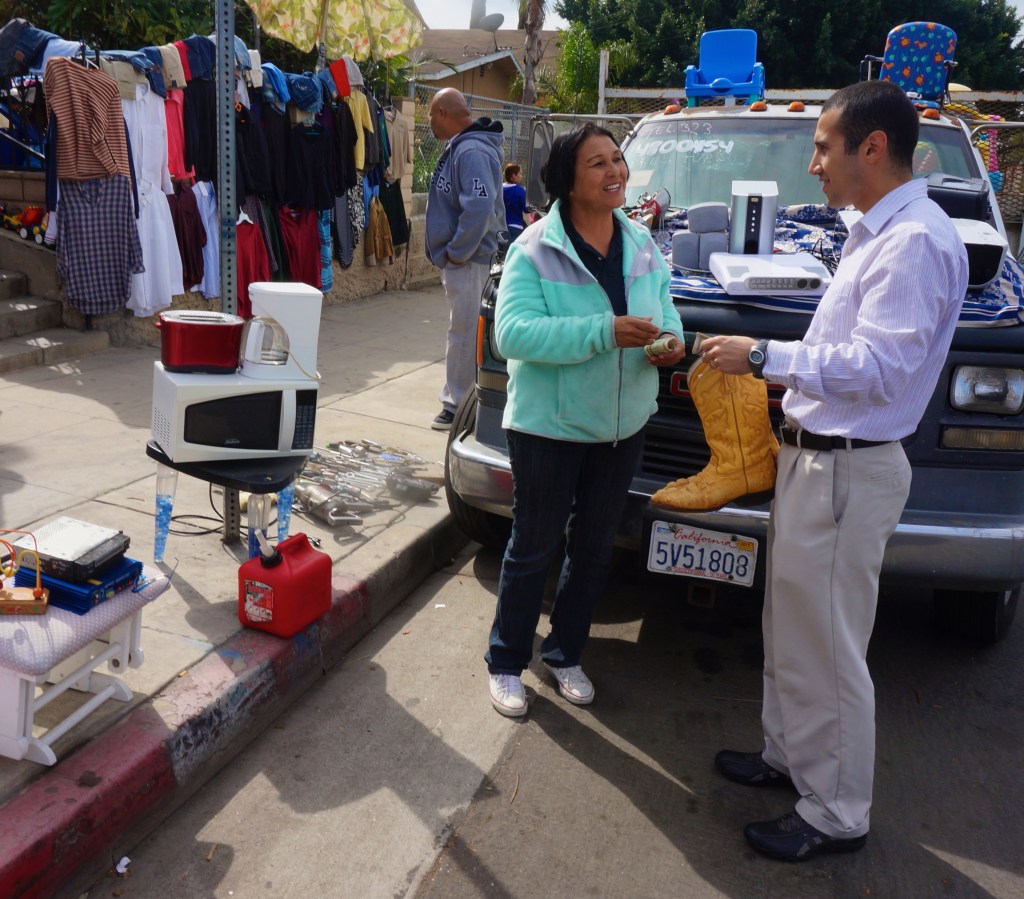
Latinos make purposeful meaningful changes to their streets, representing their struggles, triumphs, everyday mobility habits, and beliefs. Many urban designers poo-poo the Latino pedestrian vernacular as messy, informal, and spontaneous, but these grassroots solutions represent a resource that non-Latinos should draw from.
September 21, 2017
Vision Zero L.A.: Using Art To Make Streets Safer For Everyone
(Streetsblog Los Angeles, L.A. Walks and Place It! are competing for your vote for an #la2050 grant to bring a Vision Zero street safety campaign to Los Angeles. James Rojas, Place It's founder, explains why his interactive planning model is key to helping people realize what Vision Zero would mean to their day to day lives. If you’re not familiar with Rojas’ modeling projects,check out this video by Dr. Pop Vote for us, here, and encourage your friends to do the same.- DN)
September 11, 2014
Op/Ed: Lessons from Minneapolis for Bike Planning in Los Angeles
Biking in Minneapolis is a rejuvenating experience because it allows me to think. By integrating the natural environment into the biking experience, the city sets a high standard for developing urban bike infrastructure that allows for stress-free travel around town. Like Los Angeles, Minneapolis has horrible commercial streets for biking. But most of the city’s tree-lined residential streets have little traffic and few parked cars making them calm and a safe alternative.
July 31, 2013
A Long History of Creating a Sense of Place at LA’s Latino Triangle Parks: Mariachi Plaza
Twenty years ago when I started documenting Latino’s use of public space, the triangle site of today’s Mariachi Plaza was a donut shop. Mariachis would hang out at the donut shop waiting for work. People would park their cars and negotiate with Mariachis to play for their events, while fruit carts would sell to the other musicians waiting nearby.
March 9, 2012
Butterscotch Line: Eastside High School Students Re-design Gold Line Stations
(If you're not familiar with James Rojas' interactive modeling workshops, click here.)
February 8, 2012
Rethinking Glendale Boulevard Interactive Workshop: A new approach to Community Visioning!
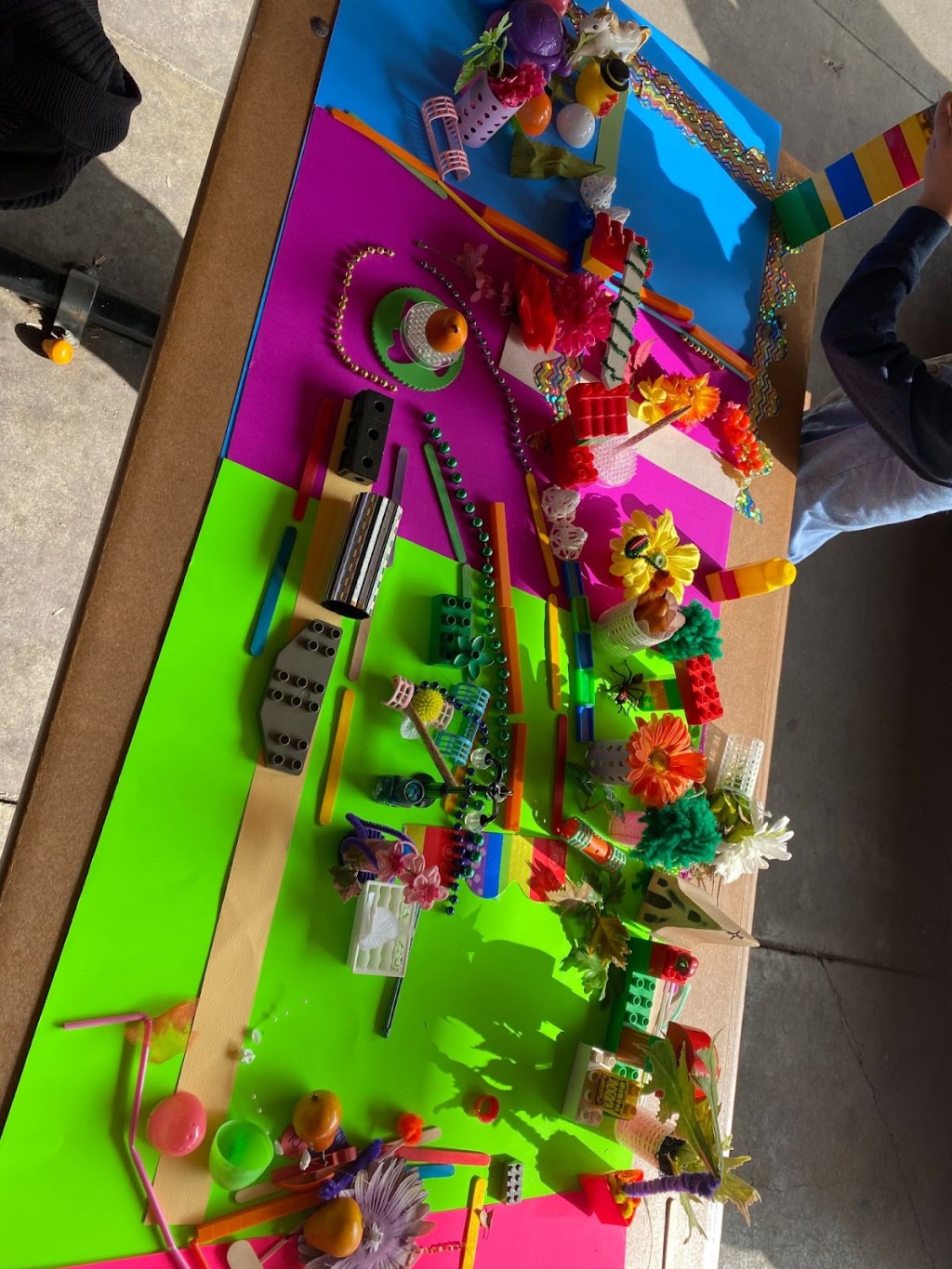
Join us for an innovative approach for the rethinking semi-industrial, mix use, Glendale Boulevard in Echo Park from the 2 fwy to Sunset. Participants will be asked to create their ideal street in 20 minutes. Using recycled objects participants will build small dioramas to help think through their ideas. Because there are no limitations, and right or wrong answers this is a safe zone for all ideas. Once the time is up the builders will share their ideas in a one-minute presentation to the group. Collaboration is the next step and participants will be place in small groups. They will have 15 minutes to share their ideas. They will be tasked to pick a spot along Glendale Boulevard where they can implement their ideas. Each team will present their plan to the group. As a conclusion the ideas will be synthesized and discussed.
December 29, 2011
Rethinking Streets in Northeast Los Angeles; An new Comprehensive Approach to Transportation Planning
Nowhere else in LA area are individual street routes as important than in the Northeast. Because of the area’s hills there is no grid. Streets wind their way up hills and cut through valleys creating public space and connecting the community to places beyond.
December 2, 2011
See the World’s Largest Interactive Urban Diorama in Long Beach!
Architect Giacomo Gastagnola and I created the world’s largest interactive city diorama right here in the City of Long Beach. This interactive diorama taps into the mental and physical ways people understand the city and transfer information through their body. The diorama is designed to make participants physically interact with it through various positions and break the normal way which people interface with the built environment.
October 24, 2011
Highlighting a sense of Place in Leimert Park
The Leimert Park model is a thought provoking interactive diorama of this community that the public can use as tool to facilitate their urban planning ideas and fantasies for transportation, open space, housing, architecture and design.
August 24, 2011