L.A. Bus Lane Enforcement Camera Citations Generated Nearly $20 Million Last Year

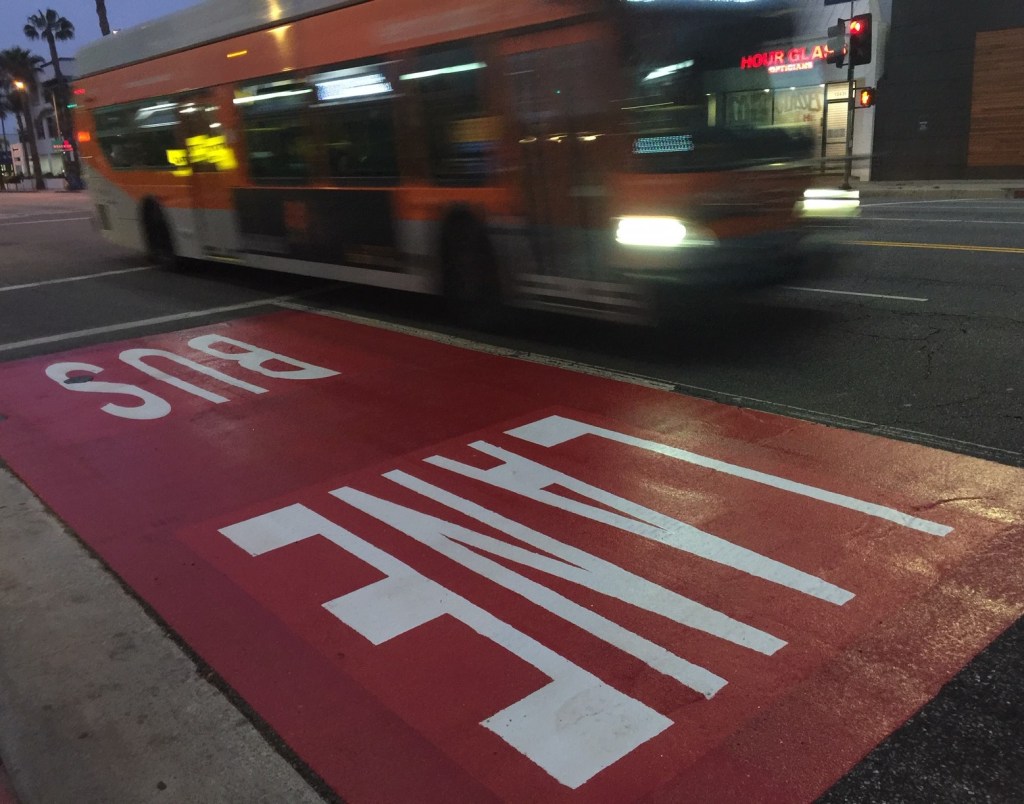
Public service announcement: never never ever park a car in a bus lane or at a bus stop! You will get a $293 citation. It’s not worth it. Don’t park in the bus lane.
According to a new Transporation Department (LADOT) memorandum, city bus lane ticketing brought in nearly $20 million dollars during 2025. LADOT’s M-ABLE (Metro Automated Bus Lane Enforcement) program issued 115,890 citations and collected $19,603,937 in gross revenue.
And the L.A. bus enforcement systems haven’t even been up and running for the entire year. L.A. City bus lane camera enforcement debuted on February 17, 2025. It began on just Wilshire Boulevard and La Brea Avenue, then on March 10, the program expanded to additional streets: Grand Avenue and Olive Street.
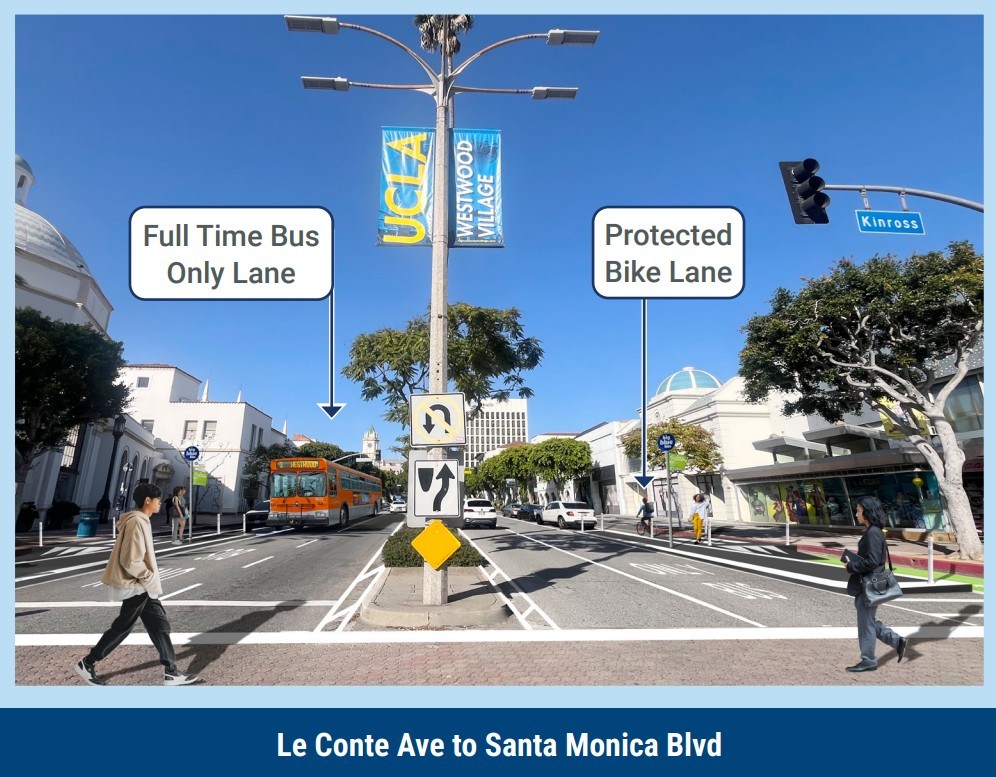
How does automated bus lane enforcement work? The program is a partnership between LADOT and Metro, both working with the vendor Hayden AI. Smart cameras are installed on Metro buses. They scan the street spotting cars cars blocking bus lanes and bus stops. The city then sends expensive parking tickets to the car’s owner. Watch SBLA’s one-minute video explainer.
Bus lane camera enforcement had been anticipated to bring in an estimated $5 million in annual net revenue. After expenses, Metro keeps 75 percent, the city, 25 percent. From this week’s memo, the overall revenue picture is not entirely clear. DOT states that Metro expenditures are around $7 million. LADOT’s costs are not stated, nor is the final net revenue.
LADOT is proposing that bus lane citation revenue (likely around $1-3 million) would pay for other LADOT programs, including traffic officers, roadway paint and sign maintenance crews, the speed hump program, and other street safety infrastructure. Ultimately, City Council will decide how to spend the money, which could go to the city’s general fund.
Per the DOT memo, there are plans to expand bus lane enforcement. Metro plans to add enforcement cameras on approximately 300 additional buses. Currently, Metro has 100 cameras installed. LADOT plans to add enforcement cameras to city DASH buses.
Bus lane enforcement is also up and running in other Southern California cities: Culver City, Santa Monica, and West Hollywood.
One future hurdle these programs face: they could soon no longer be legal. State bus lane enforcement law is set to sunset as of January 1, 2027. New proposed legislation, Assembly Bill 1837, would make bus lane/bus stop camera enforcement permanent statewide.
Remember: never park in a bus lane or at a bus stop!
(Full disclosure: Metro and LADOT’s bus lane camera contractor Hayden AI is an advertiser with Streetsblog. Hayden AI was not consulted on this post. Any and all opinions herein are that of the author, and do not necessarily reflect those of Hayden AI.)
Streetsblog has migrated to a new comment system. New commenters can register directly in the comments section of any article. Returning commenters: your previous comments and display name have been preserved, but you'll need to reclaim your account by clicking "Forgot your password?" on the sign-in form, entering your email, and following the verification link to set a new password — this is required because passwords could not be carried over during the migration. For questions, contact tips@streetsblog.org.