Guest Editorial: Alhambra has been Saying No to Another Freeway Ramp for Years. City Hall Should Listen.

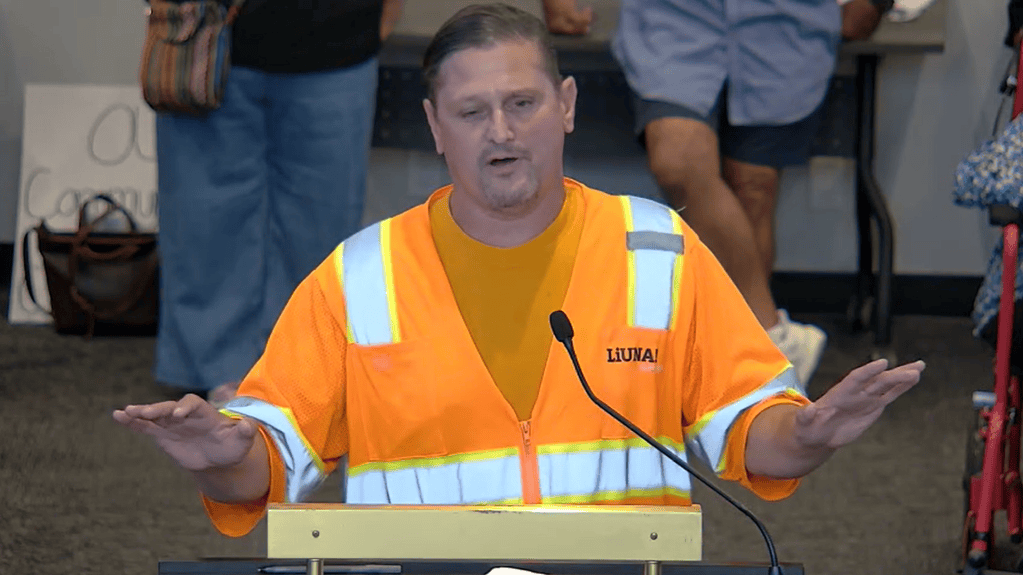
At Alhambra’s recent town hall on the 710 Mobility Improvement Project, residents once again raised concerns about traffic, cost, safety, and transparency. This meeting is where the City Council discussed whether the city is still too focused on freeway infrastructure. The meeting ended with the City Council moving forward with a focused traffic and impact study in coordination with engineering firm Kimley-Horn, while residents continued to question whether freeway improvements should remain the center of the city’s transportation future.
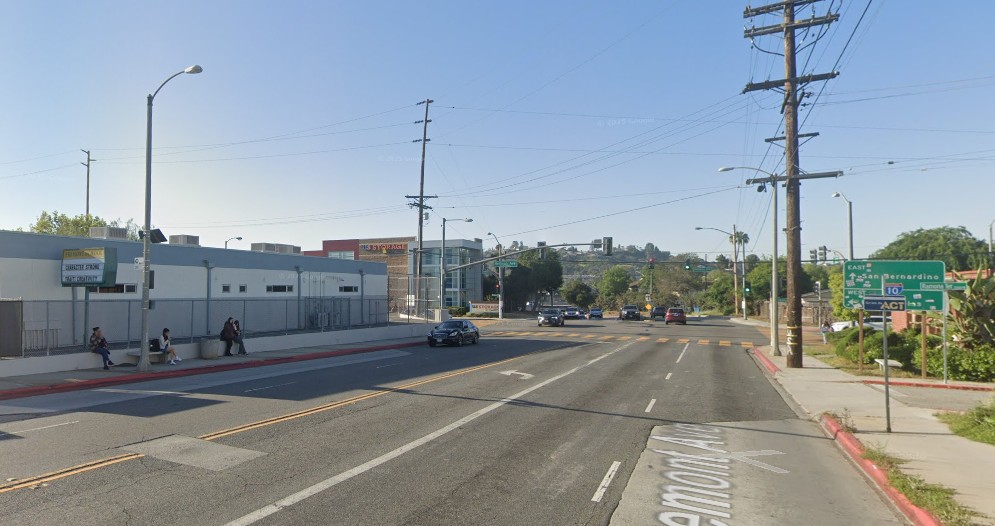
For people who live near the Fremont ramp area, this is not just a plan on a PowerPoint. I live right next to this corridor. I hear traffic. I walk near the cars rushing toward the freeway. I know what it feels like when a ramp is not just a line on a map. It is something that lands besides homes, sidewalks, bus stops, and an elementary school.
This is not the first time residents have said no to widening Fremont Avenue and expanding freeway ramps near Fremont Elementary. It is not the first time people have asked why a city that already struggles with unsafe crossings, missing shade, and dangerous walking routes would spend so much of its future chasing a freeway project.
In 2023, Streetsblog Los Angeles reported that residents and activists, including myself, went to Alhambra City Council to oppose the proposed widening of the Fremont Ramp. That earlier version of the project was not a minor traffic adjustment. It included new turn lanes at Fremont and Hellman, extended ramp connections, sidewalk removal on the east side of Fremont near the intersection, and relocation of the Metro bus stop beside Fremont Elementary.
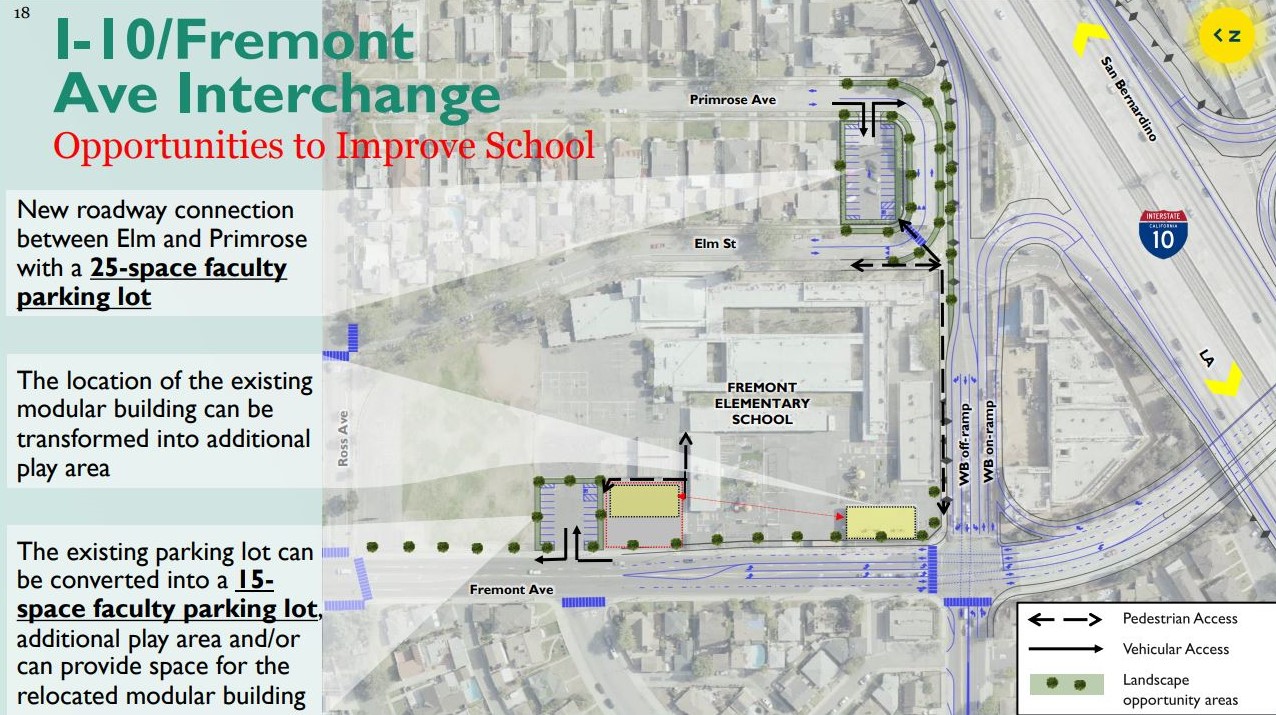
The history of this proposal matters because the current 2026 town hall materials are still part of the same freeway-centered project. The City is now studying revised alternatives, including options that reduce or avoid some of the earlier school impacts. But the new deck still evaluates ramp reconfigurations, property impacts, access impacts, and I-10 operational changes around Fremont, Hellman, Elm, Primrose, Ramona, and Montezuma.
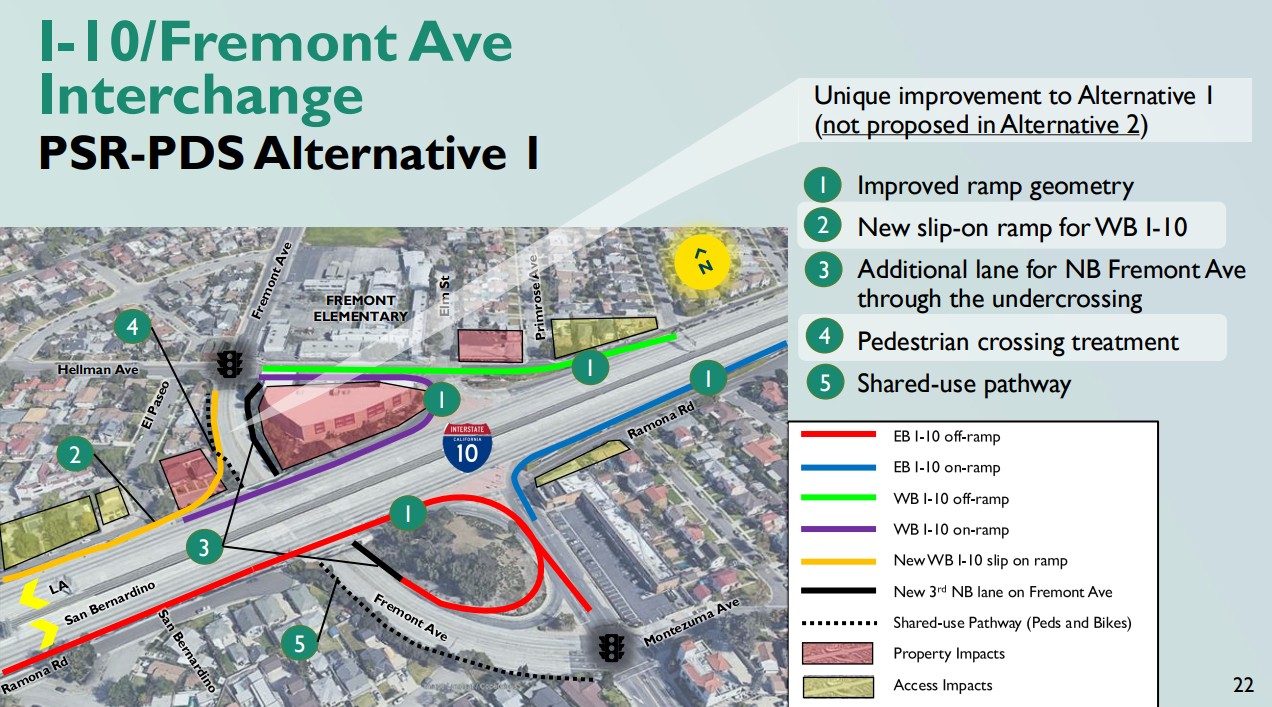
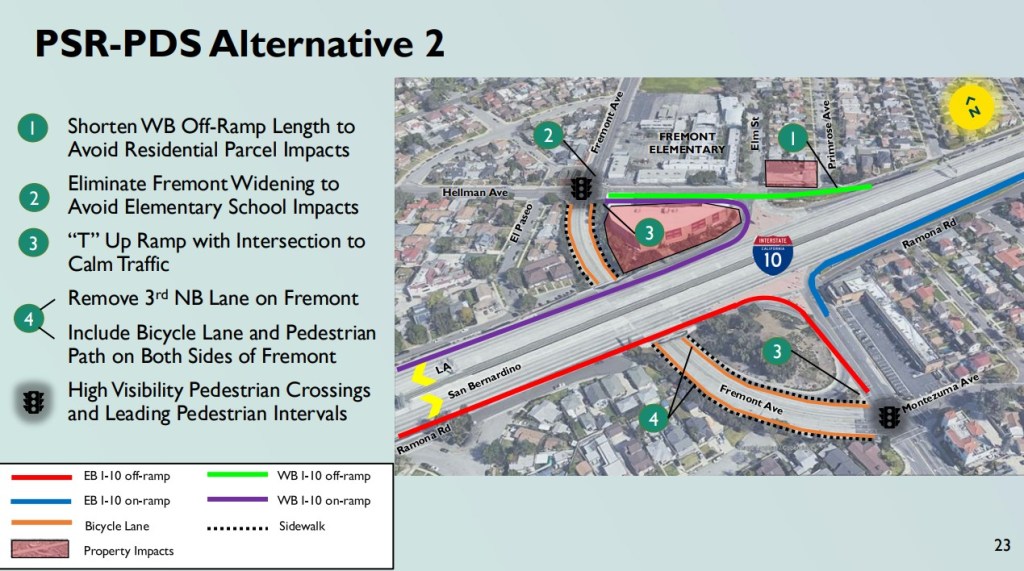
One alternative still includes a new third northbound lane on Fremont Avenue. Another alternative is described as eliminating Fremont widening to avoid elementary school impacts which confirms why residents were right to raise alarms in the first place.
These proposals should matter to every elected official in Alhambra. A school frontage being reshaped around freeway access. A bus stop being moved away from children. Sidewalks being narrowed, removed, or treated as negotiable near families walking to school. Commercial properties and neighborhood streets being treated as pieces to rearrange so cars can move in and out of the city faster.
This is the basic problem with the Fremont ramp proposal. The direct benefit is for commuters moving through Alhambra while the burden falls on the people who live, learn, and work here. The noise stays here. The exhaust stays here. The danger stays here. Children at Fremont Elementary already spend their school day next to the I-10. They should not be asked to absorb more exhaust from idling cars, more turning movements, and more freeway-oriented traffic in front of their campus – just for the sake of driver convenience.
A later Streetsblog guest editorial warned that widening Fremont and expanding the I-10 ramps would not solve traffic in the long run. And that faster moving vehicles would endanger pedestrians, seniors, and students at Fremont Elementary.
The question we should ask is, “Who benefits?”
These ramp improvements are often framed as congestion relief. The direct purpose is to help cars move more smoothly into and out of Alhambra. That may benefit commuters passing through our city. The burden stays with residents. The noise stays here. The exhaust stays here. The risk near schools, sidewalks, and bus stops stays here.
At drop off and pick off time near Fremont Elementary, the question should not be whether a driver can reach the freeway a little faster. The question should be whether a child can cross the street without a parent pulling them back from a turn lane.
Alhambra has another choice here. Metro has already clarified that 710 North Mobility Improvement Project funds can be used for bus infrastructure, bikeways, sidewalk improvements, shade trees, curb ramps, and pedestrian safety projects. Metro’s Motion 35 also gives funding recipients the opportunity to revise scopes of work or propose replacement projects.
Other cities have taken up that opportunity to use the same pot of funding differently. South Pasadena recently approved a complete streets concept for Huntington Drive. Streetsblog reported that the project would remove one vehicle travel lane in each direction and replace that space with protected bike lanes. The same article reported that South Pasadena is asking Metro to reprogram $30 million in Measure R funds away from a freeway ramp project at the 110 and Fair Oaks Ave and toward bike lanes and traffic calming on Huntington Drive and Fremont Ave.
South Pasadena understands that when cities make it easier for cars to drive through an area, more cars will use that path. When South Pasadena looked at Huntington Drive, a corridor used by commuters, they chose to reduce it from six lanes to four instead of inviting more traffic through the city. This is a concept that Alhambra should take seriously.
South Pasadena’s own project page says the city already received $10 million through reallocated Interstate 710 Measure R Mobility Improvement Project funds for Huntington Drive and Fremont Avenue. The page notes that the city has another Metro grant for safety and mobility improvements for pedestrians, cyclists, bus riders, and drivers.
Pasadena also moved in this direction. Its proposed Measure R Mobility Improvement Project list includes 19 projects in lieu of the Metro L Line California Boulevard Grade Separation, with a focus on multimodal mobility, safety, bus infrastructure, bikeway improvements, and pedestrian improvements.
So the question is no longer whether 710 North funds can support safe streets. They can. The question is whether Alhambra will prioritize residents or continue designing around commuters cutting through the city.
A ramp is a risky bet. If the funding is not enough, residents cannot use half a ramp. If the project gets delayed, costs rise while the city waits. If it moves forward, the people who live closest to it carry the consequences.
Safer street projects work differently. A dangerous crossing can be fixed. A sidewalk can be widened. A bus stop can get shade. A protected bikeway can connect people to school, work, parks, and transit. These improvements can be phased, scaled, and spread across the city.
They also bring direct benefits to residents. A cooler walk to the bus is a benefit. A safer crossing near school is a benefit. A calmer street outside someone’s home is a benefit. A bike route that does not disappear when the road gets dangerous is a benefit.
California transportation agencies already recognize that expanding roadway capacity induces more driving. The National Center for Sustainable Transportation’s induced travel calculator is designed to estimate new vehicle miles traveled from expanded roadway capacity. Caltrans has discussed induced travel as part of its transportation analysis guidance.
That is why South Pasadena’s decision is so important. The city did not look at a wide commuter corridor and decide the answer was more space for cars. They chose to give space back to their own residents.
Alhambra should do the same. The recent town hall also raised serious trust issues. The article reported community calls for greater transparency, including access to communications and project data, and some residents, including myself, requested an RFP for additional research because of concerns about potential consultant conflicts.
That request is reasonable. Kimley-Horn has been part of the project development process for years. Asking the same consultant to evaluate whether the project should keep moving forward puts the public in a difficult position. Even if the analysis is technically sound, residents deserve a process that looks independent and feels trustworthy.
City Council should issue a public RFP for any additional independent study. The city should also direct staff to bring back a serious alternative package for the remaining 710 North funds, centered on sidewalks, safe crossings, shade trees, protected bikeways, bus stop improvements, Safe Routes to Schools, and first-mile and last-mile transit connections.
This would still be transportation investment. It would still address mobility. It would still use the same regional funding source.
The difference is that it would invest in the people who live here instead of making it easier for others to drive through here.
We have been saying no for years. Now the city has a chance to say yes to something better.

Read More:
Streetsblog has migrated to a new comment system. New commenters can register directly in the comments section of any article. Returning commenters: your previous comments and display name have been preserved, but you'll need to reclaim your account by clicking "Forgot your password?" on the sign-in form, entering your email, and following the verification link to set a new password — this is required because passwords could not be carried over during the migration. For questions, contact tips@streetsblog.org.