US DOT ‘Equity Plan’ Ignores the Inequitable Impacts of Highway Expansions
The new Equity Action Plan contains some great ideas to make transportation network better for disadvantaged Americans. But it doesn't include strong measures to prevent racist road projects.
9:01 PM PDT on July 9, 2023
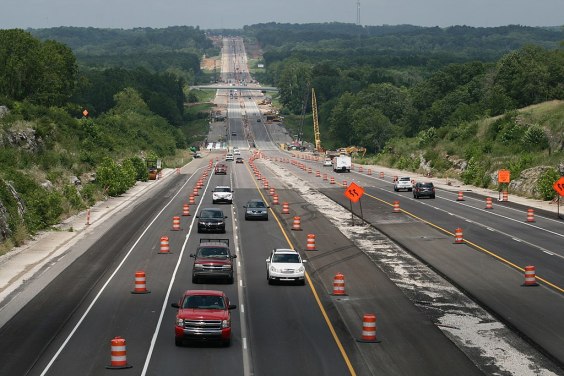
A new plan aimed at reversing the inequity inflicted on communities by federal transportation policies is missing strong performance measures that might actually stop that racist history from repeating itself, advocates say.
In response to a comment request from the federal Department of Transportation, a coalition of 20 local and national groups delivered a sprawling 68-page letter urging the agency to add additional teeth to its newly revised Equity Action Plan, which outlines how federal transportation officials will expand access and opportunity for disadvantaged communities in the coming years.
That generally commendable list, though, may not stop the kind of highway projects that lay at the root of many of America’s glaring transportation inequities since portions of the Interstate Highway System were rammed through communities of color roughly 70 years ago. And until the agency adjusts how it evaluates which types of projects receive federal money, states will continue to use those funds to build roads that divide communities and pollute their air with little real accountability to the people they’re harming, the letter states.
“Unless federal rules and standards are reformed, it is likely that much of the half a trillion dollars in federal formula transportation funds under the Infrastructure Investment and Jobs Act will be spent by states undermining environmental justice, worsening climate change, and eroding public health,” said Michael Replogle, founder and senior advisor to the Institute for Transportation and Development Policy and the lead author of the letter.
Specifically, Replogle and his fellow coalition members want federal regulators to commit to three wonky but vital changes in how they analyze and report on proposed transportation projects:
- US DOT must require transportation officials to measure how, for instance, proposed highway expansions would impact emissions levels, public health, and the ability of residents to access mobility both inside and outside of a car, and specifically outline how that picture would change if they went with other approaches, like converting highways into boulevards instead.
- Transportation officials must to stop relying on “obsolete” traffic forecasting models that generate “absurd and impossible modeling findings that go against both science and common sense,” and start paying attention to proven traffic science, like how building new lanes invariably just induces more driving rather than cutting traffic jams.
- And transportation officials must to share these analyses at every level of government, and make it crystal clear when their proposed projects fall short of their climate and equity goals.
Read More:
Streetsblog has migrated to a new comment system. New commenters can register directly in the comments section of any article. Returning commenters: your previous comments and display name have been preserved, but you'll need to reclaim your account by clicking "Forgot your password?" on the sign-in form, entering your email, and following the verification link to set a new password — this is required because passwords could not be carried over during the migration. For questions, contact tips@streetsblog.org.
More from Streetsblog Los Angeles
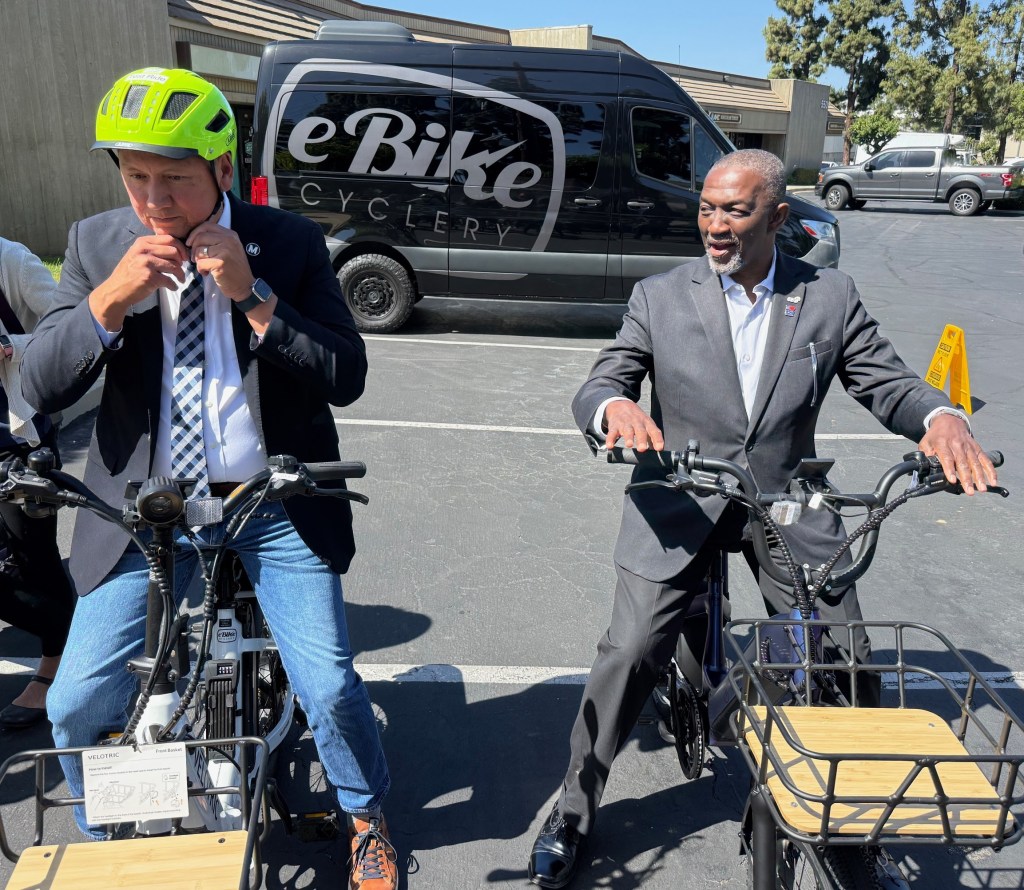
GoSGV Program to Distribute $2000 E-Bike Vouchers to SGV Residents. Apply Now!
$2000 e-bike vouchers mean "hundreds of households who have the option to load up their kids and groceries on a cargo bike... without sitting in traffic and burning gas." Applicants must be at least 18 and live in the San Gabriel Valley.

April 29, 2026
Wednesday’s Headlines
CicLAvia, Pasadena, East L.A., budget, Griffith Park, adaptive resuse, Santa Clarita, car-nage, and more
April 29, 2026
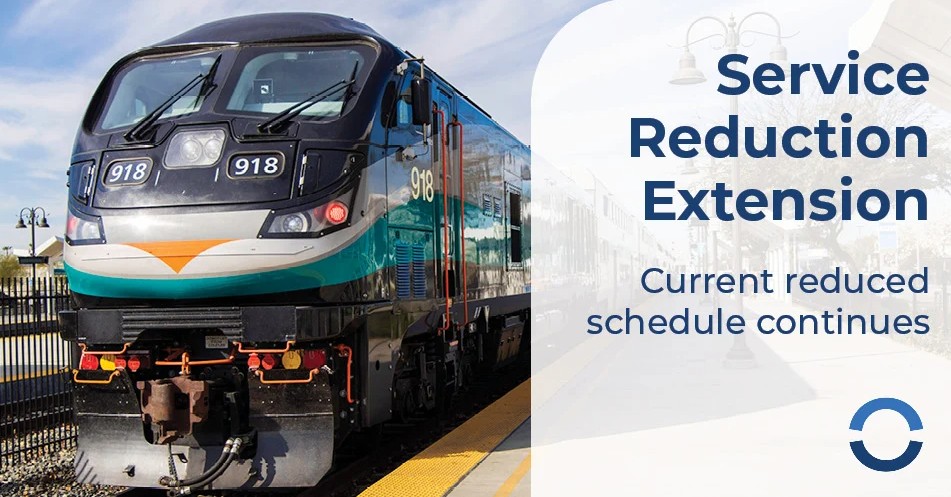
Metrolink Cut Service; Budget Pressure Could Mean More Cuts, Fare Increases
Faced with a ~$30M budget shortfall, Metrolink has extended temporary service cuts indefinitely and is "evaluating more significant service reductions and a potential fare increase that could take effect as early as October"
April 28, 2026
Tuesday’s Headlines
Metro D Line, Pomona, Pasadena, downtown L.A., Long Beach, car-nage, and more
April 28, 2026
This Week In Livable Streets
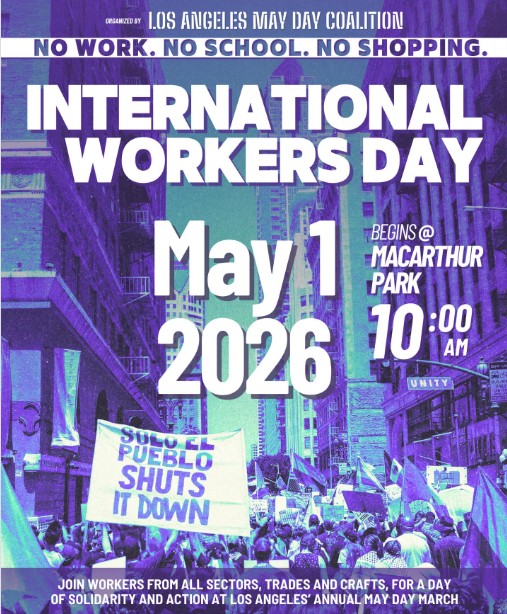
May Day marches, Peace March, Metro Sepulveda Transit Corridor, Culver City traffic calming, and more.
April 27, 2026