Cincy Cuts Parking to Make Core More Walkable

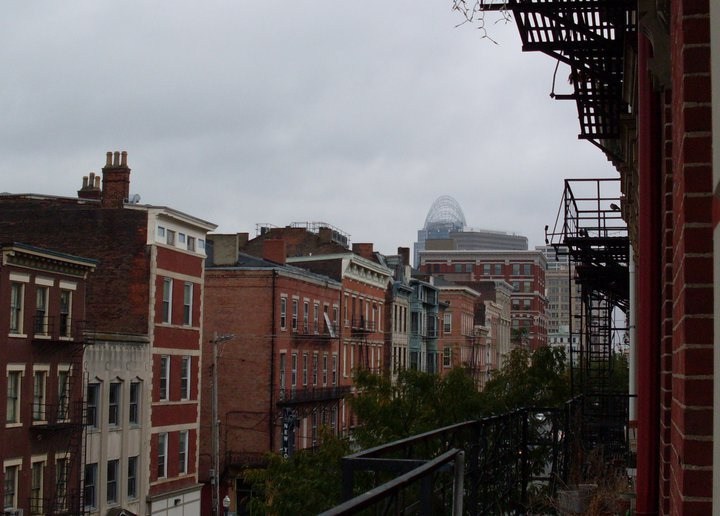
The Cincinnati City Council overwhelmingly voted to eliminate mandatory parking requirements in three dense downtown neighborhoods, dispensing with one the biggest hidden subsidies for driving and moving towards a more walkable city.
The Over-the-Rhine and Pendleton neighborhoods, plus a portion of one other adjoining neighborhood, will now be exempt from zoning that requires one parking space per residential apartment and one spot for every 400 square feet of retail space.
“It’s healthy to move beyond a place where the automobile is the sun in which society rotates around,” Council Member P.G. Sittenfeld said in support of the move, according to the Cincinnati Business Courier.
The move is aimed at making the heart of Cincinnati more walkable, as parking lots frequently lack ground-floor retail or other destinations that entice pedestrians. And the zoning change could also help housing prices, as the construction of a single parking space in Over-the-Rhine costs about $15,000, WCPO’s Pat LaFluer reported. Housing developers tend to tack that cost onto the prices of their rentals or coops.
Even Mayor John Cranley — who has been somewhat hostile to urban planning reforms — told the Business Courier he thought the move would lower rents, promote historic preservation and reduce the need for the city to use tax incentives to spur development.
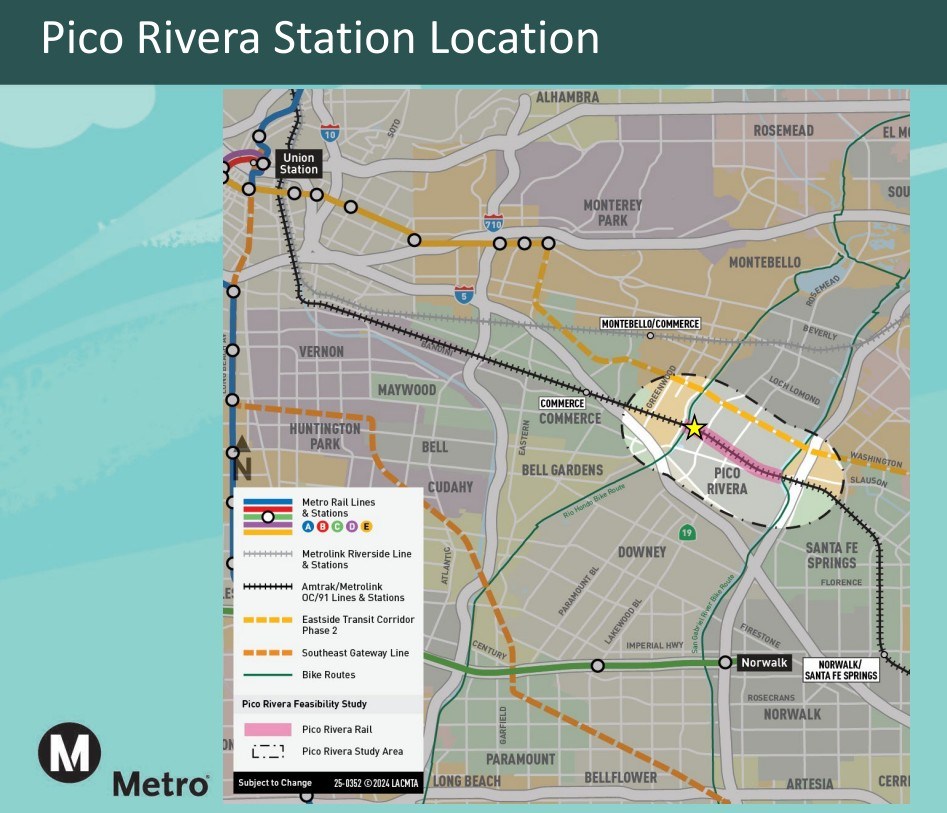
Here’s a map of the areas that will be exempted:

In rolling back these rules, the Queen City joins a growing number of cities rethinking minimum parking requirements. Both Hartford and Buffalo, in recent years, have done away with the rules citywide, while Houston is considering exempting some central neighborhoods from such requirements.
But those minimums are not typically based on any close inspection of neighborhood parking practices — and studies show they are often wildly off the mark. A 2005 study of six mixed-use town centers throughout New England [PDF] showed that the supply of the zoning-mandated parking was about two-and-a-half times more than demand for it at peak times.

Read More:
Streetsblog has migrated to a new comment system. New commenters can register directly in the comments section of any article. Returning commenters: your previous comments and display name have been preserved, but you'll need to reclaim your account by clicking "Forgot your password?" on the sign-in form, entering your email, and following the verification link to set a new password — this is required because passwords could not be carried over during the migration. For questions, contact tips@streetsblog.org.