The National Women’s Cycling Summit: This Is Not a Bike

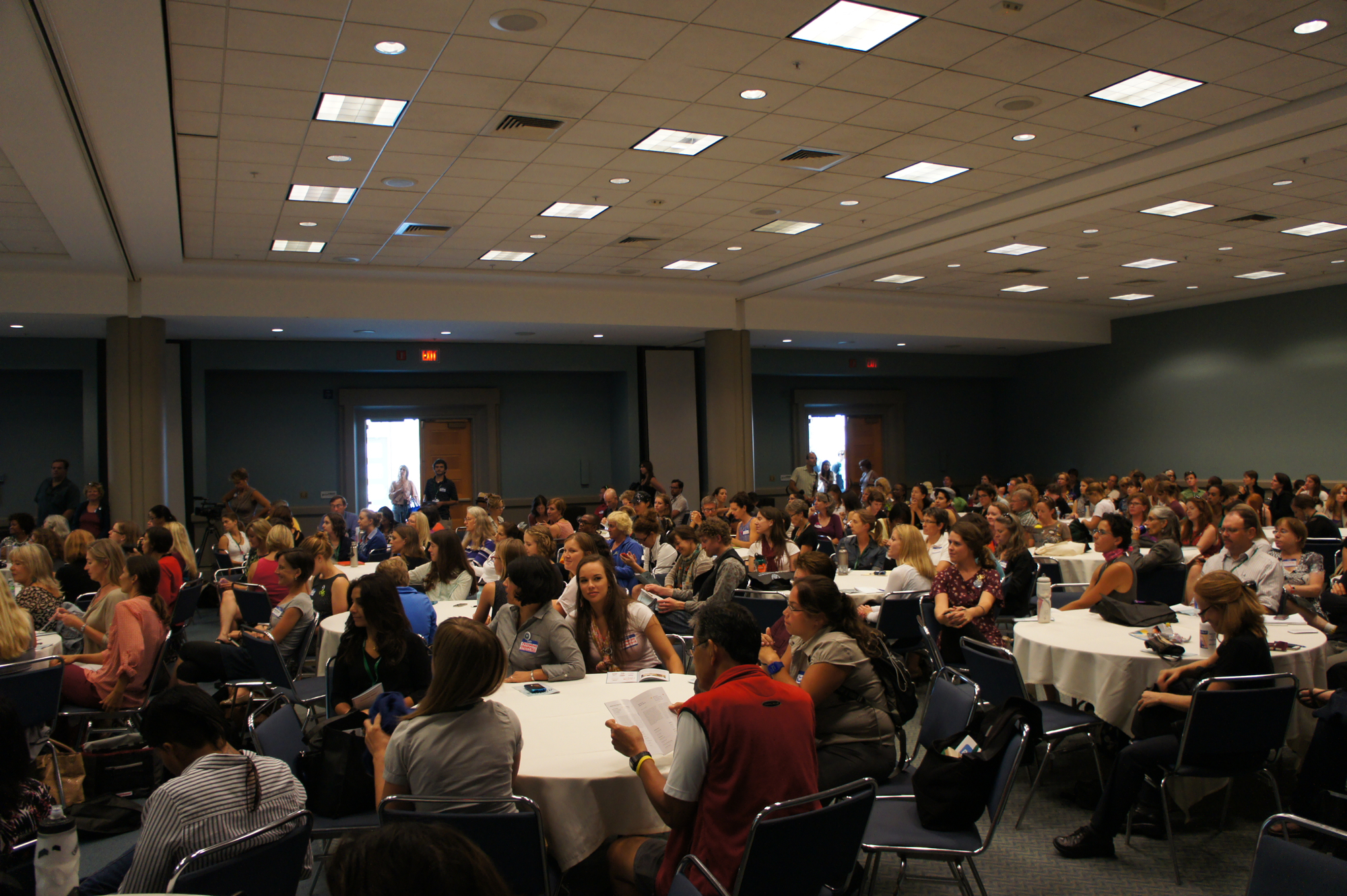
Leah Missbach Day, co-founder of World Bicycle Relief and the keynote speaker to inaugurate the Women’s Bicycling Summit, was very succinct with her main point about a bike:
“This is not a bike.”
The bike is a tool, she intoned; a tool that helps generate economic stability, community cohesiveness, and gender equality, particularly in poor and marginalized parts of the world.
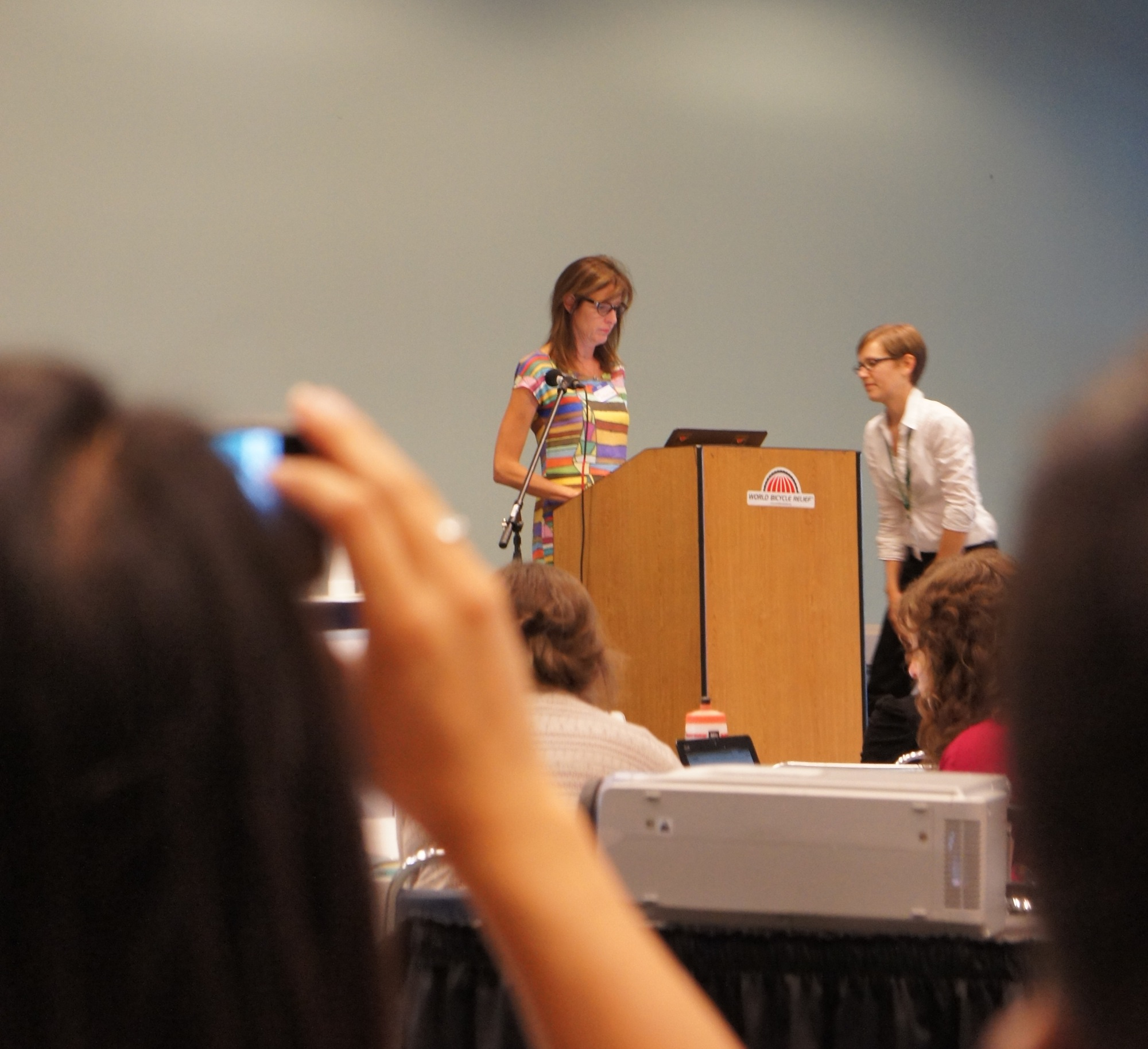
“The bicycle movement is just getting started,” stated Carolyn Szczepanski, communications director of the League of American Bicyclists, in her introductory remarks. She said many in marginalized communities, particularly ethnic minorities, are feeling left out of the bicycle movement. “Instead of feeling left out, [Anthony Taylor co-founder of the National Brotherhood of Cycling] tells them something really empowering: ‘You’re not too late — you’re just in time.’ I would submit to you we are just in time. In 2009, women accounted for just 24 percent of bike trips in the United States and, obviously, it is time for that to change. Without engaging, empowering, and elevating 50 percent of the population — women — we simply cannot succeed as a movement.”
Day is part of that movement. She emphasized that her work is geared at more than just environmental policies — it’s about gender, economics, and equality. Day has a ethical/economic model that follows that of the World Bank: If impoverished countries promote the social and economic status of women, poverty rates will decrease and economic prosperity will increase.
Following the 2004 Indian Ocean earthquake and tsunami — one of the deadliest natural disasters in recorded history — Day and her husband felt that sending money was not enough. Wanting to do something more tangible, they distributed thousands of bikes to those who had lost their homes and families, providing them with transportation and cargo-carrying possibilities. It was here the World Bicycle Relief (WBR) organization was born.
WBR has since distributed some 100,000 bikes in sub-Saharan Africa, Indonesia, and Sri Lanka. And as a self-described “women’s empowerment advocate,” Day reflected on the impact her work has on women.
“This is not a bike,” Day stated. “It’s a tool. It’s a tool to help Mary [a girl from Zambia who received a bike from WBR] feel safe on the road. A different kind of safety than the safety we talk about here. She is not worried about getting doored; she’s worried about boys.”
This was not Day’s only example of the bike superseding its own definition and becoming an enormously powerful tool. Mary’s eight-mile trek to school would kill hours of productivity she could contribute at home. By providing Mary, along with thousands of others, the ability to access school more easily, the bicycle will delay her marriage time. And by waiting for marriage and increasing her education, it increases her chances of having a smaller, more sustainable family, as well as healthier pregnancies. Her chances of contracting HIV/AIDS will decrease. Her children will have a better chance of surviving childhood.
It reminds me of the work of David Morawetz, an Australian who dedicated himself to repairing and building water wells throughout Africa. By saving women and families the often hour-long trek to the nearest water source, he freed up their time to go to school or produce goods to sell at market.
Day’s point — that a bike is not just a bike — was both rational and poetic. The bike — and the alternative mobility movement in general — is much more than just a way to increase the sustainability of our planet. Its ideals will help address some of our world’s largest social and economic problems.

Streetsblog has migrated to a new comment system. New commenters can register directly in the comments section of any article. Returning commenters: your previous comments and display name have been preserved, but you'll need to reclaim your account by clicking "Forgot your password?" on the sign-in form, entering your email, and following the verification link to set a new password — this is required because passwords could not be carried over during the migration. For questions, contact tips@streetsblog.org.