Pittsburgh Faces a Transit Doomsday


The last four years have been rough on American transit riders, as fare increases and route reductions became the norm, even as demand for service increased.
For many cities there’s still no end in sight, as Pittsburgh can attest. The Steel City is facing across-the-board cuts of 35 percent if the state doesn’t step in — and that comes just a year after the Port Authority slashed transit spending 15 percent.
Yonah Freemark at the Transport Politic says Pittsburgh — and other cities around the country — are suffering as a result of systemic problems with the way transit is funded at the local and national level:
The service cuts planned would be, suffice it to say, devastating. As the maps [above] illustrate, the Port Authority’s austerity plans would eliminate almost half of the region’s routes. This is in a city where, according to the U.S. Census, more than 25% of households have no vehicle available and almost 20% of workers use transit to get to work — figures that are far higher than the national average or even that of the vast majority of American center cities.
Pittsburgh, of course, is far from alone. From Boston — where a 23% fare increase and service cuts were approved a month ago — to Athens, Georgia — where night bus service is expected to be fully eliminated — American cities continue to cut their transit offerings. Friday’s U.S. national jobs report, which showed about 20,000 fewer people working in transit operations in April compared to a year ago (a 5% decline), only reinforced the fact that when it comes to transit service, cuts are the rule of the game.
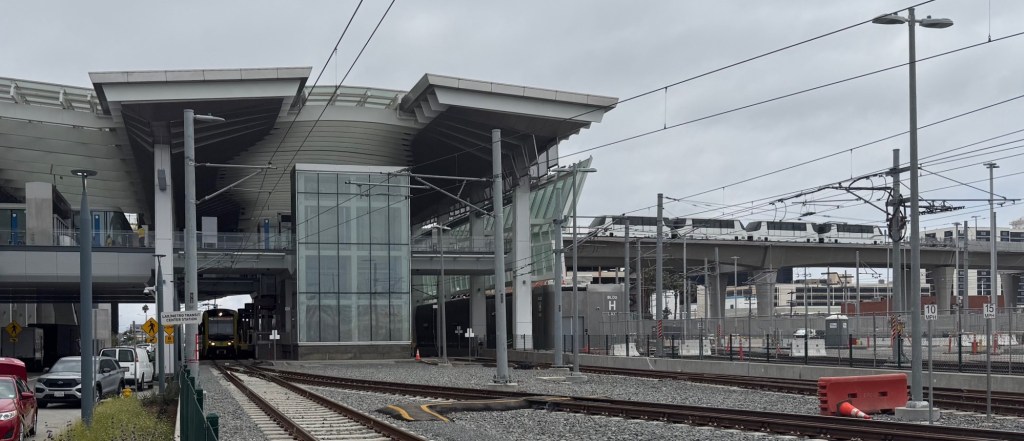
At least part of the problem is the reliance on local and state revenues to subsidize operations costs for bus and rail services in cities across the country. Whereas the federal government was willing to cover more than half of the costs of a $523 million light rail expansion to Pittsburgh’s North Shore — opened in March — it can do nothing to cover the agency’s $64 million operating deficit expected for next year because of Congressionally imposed rules about what Washington can and cannot pay for.
The counterintuitive result is that cities that are doing well economically are able to pay for improved transit services whereas those with many economic problems — the ones where transit is often needed most — are left to cut operations dramatically. Thus regional inequities are reinforced.
We recommend checking out Freemark’s entire article, a fresh and interesting take on an all-too-familiar problem.
Elsewhere on the Network today: Alarmist flyers are making the rounds in the nation’s capital as Washington attempts a zoning update, reports Greater Greater Washington. The League of American Bicyclists shares the latest research on making bike sharing socially equitable. And Spacing Toronto reports that Vancouver’s empty parking garages are being reused as agricultural spaces.

Read More:
Streetsblog has migrated to a new comment system. New commenters can register directly in the comments section of any article. Returning commenters: your previous comments and display name have been preserved, but you'll need to reclaim your account by clicking "Forgot your password?" on the sign-in form, entering your email, and following the verification link to set a new password — this is required because passwords could not be carried over during the migration. For questions, contact tips@streetsblog.org.