Stimulus Package on Track to Perpetuate Transpo Status Quo

A front page story in yesterday’s Washington Post
has the most thorough analysis to date of how infrastructure spending
may be divvied up in an Obama stimulus package. Nothing is set in
stone, but the dividing lines are increasingly clear: States and their
DOTs are emphasizing road projects, while cities are looking for ways
to reduce congestion. The emphasis on getting shovels in the ground
quickly will also skew spending, says Minneapolis Mayor R.T. Rybak:
“The quickest things we can do may not be the ones that have the most
significant long-term impact on the green economy,” he said. “Unless we
push a transit investment, this will end up being a stimulus package
that rebalances our transportation strategy toward roads and away from
[what] we need to get off our addiction to oil.”Mayors say there would be a better chance for a long-term impact if
the money were focused on metropolitan areas where investments could
make the most difference in reducing congestion and lessening
dependence on cars. They doubt that will happen if infrastructure
funding goes directly to state capitals.As it stands, Congress, wanting to keep things simple, plans to
disburse the money under existing formulas — funding for roads and
bridges will go to state governments, while money for public transit
will go to the local agencies that receive transit funding.
Yes, there will be another window of
opportunity to overhaul the existing formula and other bad habits with
next year’s big transportation bill. For now, however, the lack of
vision is startling. As Smart Growth America’s David Goldberg says in
the Post, “It doesn’t have the power to stir men’s souls.” Some signal
that the nation is moving in a new direction is in order.
Even in New York, a land of mega-projects where the regional transit agency has immense needs, the MTA is asking for nothing more ambitious than station rehabs and accelerated track replacement.
So what would a visionary infrastructure stimulus for New York look like? How about physically separated, radial BRT lines connecting the outer boroughs to Manhattan (or at least implementing the BRT pilot plan
that’s been public for more than two years). Or an accelerated and
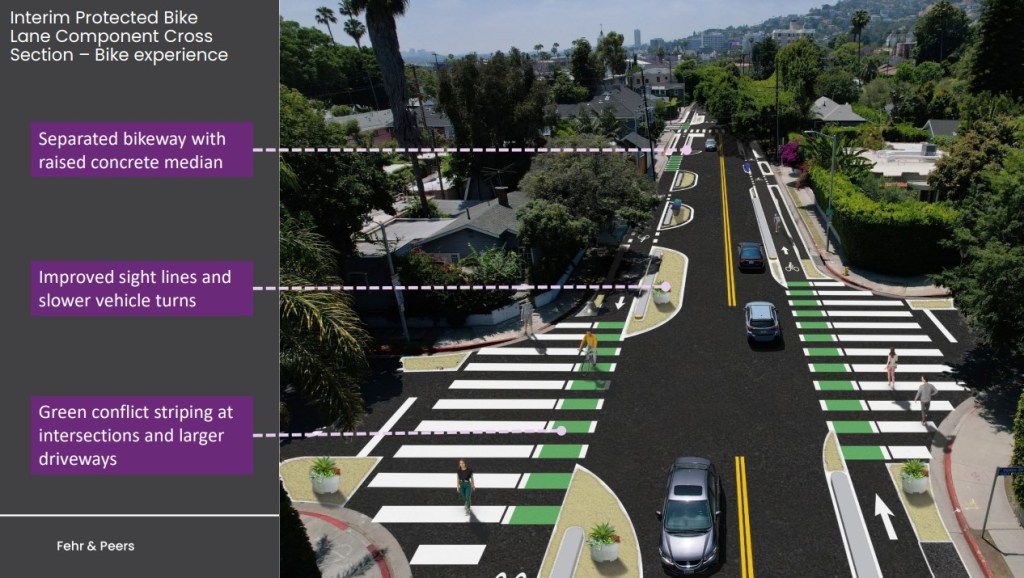
expanded build-out of the protected bike path network. If there was
ever a time to think big, now is the moment.

Read More:
Streetsblog has migrated to a new comment system. New commenters can register directly in the comments section of any article. Returning commenters: your previous comments and display name have been preserved, but you'll need to reclaim your account by clicking "Forgot your password?" on the sign-in form, entering your email, and following the verification link to set a new password — this is required because passwords could not be carried over during the migration. For questions, contact tips@streetsblog.org.