Seattle’s Viadoom: The ‘Carmageddon’ That Wasn’t

“Viadoom hasn’t been that doomy.”
Those were the words of Seattle Times writer David Gutman yesterday, midway through the closure of Highway 99 that many feared would paralyze the city in traffic gridlock. About 90,000 vehicles per day traveled the Alaskan Way Viaduct until it was closed on Jan. 11.
“The cars just disappeared,” he wrote. “Where did they all go?”
A spokesperson for the traffic data company Inrix told Gutman they “disappeared.”
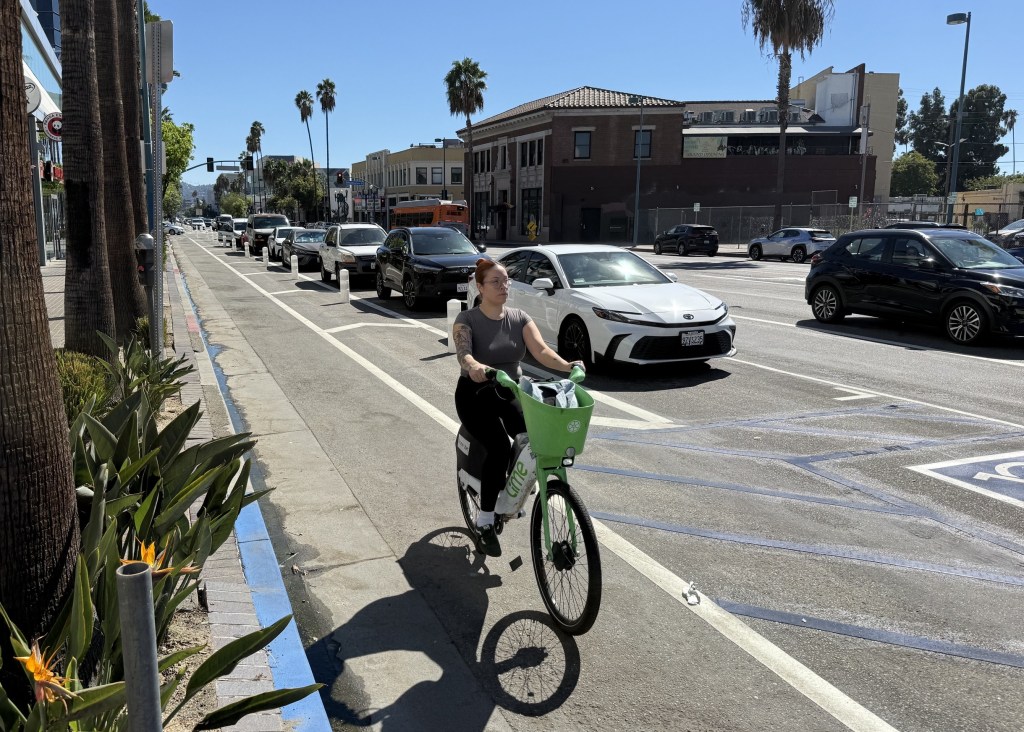
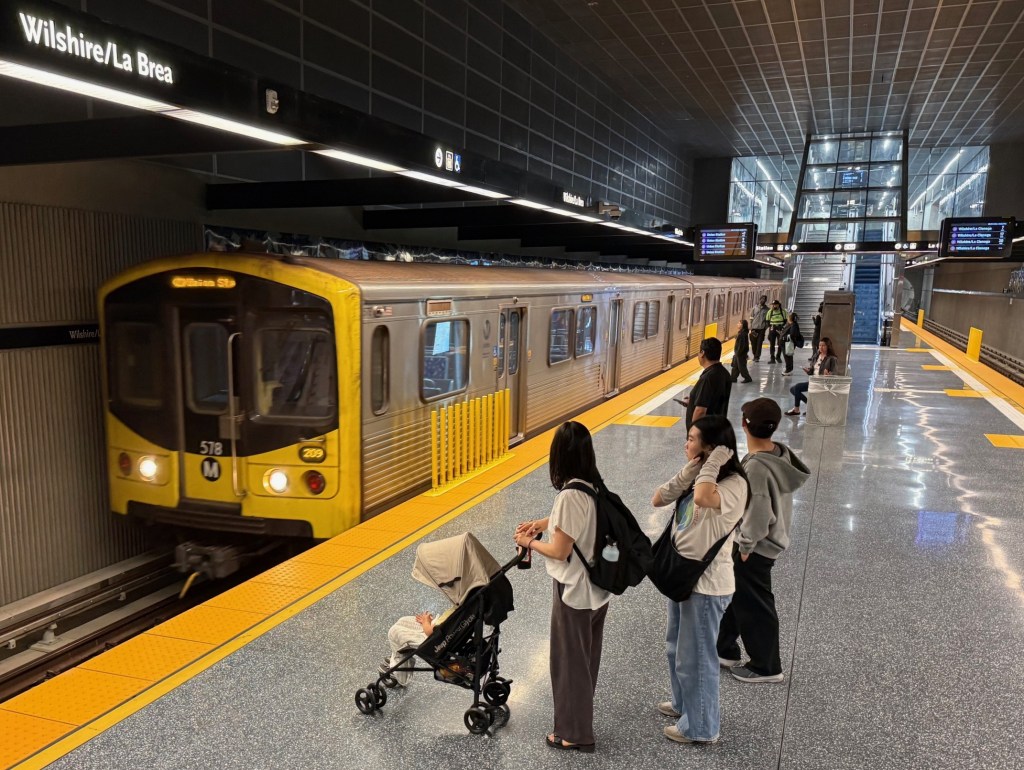
Some people are walking and biking, preliminary city data shows. And some additional people took the bus and train. And a lot of people appear to be telecommuting.
As a result, traffic speeds haven’t been effected much by what everyone predicted would be gridlock.
Viadoom is looking more and more like another much-hyped “Carmageddon” that wasn’t. Time after time, cities anticipate crushing outcomes from the closures of key freeways — but the actual outcome is muted. We saw it with the closure of Los Angeles’s 405 freeway in 2011. And we saw it in more recently with the same highway in Seattle closed for two weeks of maintenance in 2016.
It doesn’t hurt that in this case and others, local leaders have gone to almost extreme lengths to warn people of a potential traffic problem. That surely helped encourage people to try greener alternatives, and/or adjust their schedules.
But in the case of Seattle though, this lesson is particularly ironic. Viadoom (Viadud?) happens in the context of the city preparing to open a $3-billion underground replacement for the viaduct, officially Highway 99.
Fifteen years ago, local activists led by Cary Moon championed a plan to just tear down the aging highway and convert it to a waterfront street with beefed-up transit alternatives. But they were dismissed by power brokers like former Mayor Greg Nickels, who insisted the city couldn’t live without this highway connection.
Now a real-time experiment confirms that the city can live without it once again.

Read More:
Streetsblog has migrated to a new comment system. New commenters can register directly in the comments section of any article. Returning commenters: your previous comments and display name have been preserved, but you'll need to reclaim your account by clicking "Forgot your password?" on the sign-in form, entering your email, and following the verification link to set a new password — this is required because passwords could not be carried over during the migration. For questions, contact tips@streetsblog.org.