D.C. Metro Seeks Better Service, Fare Cuts to Stop Ridership Death Spiral

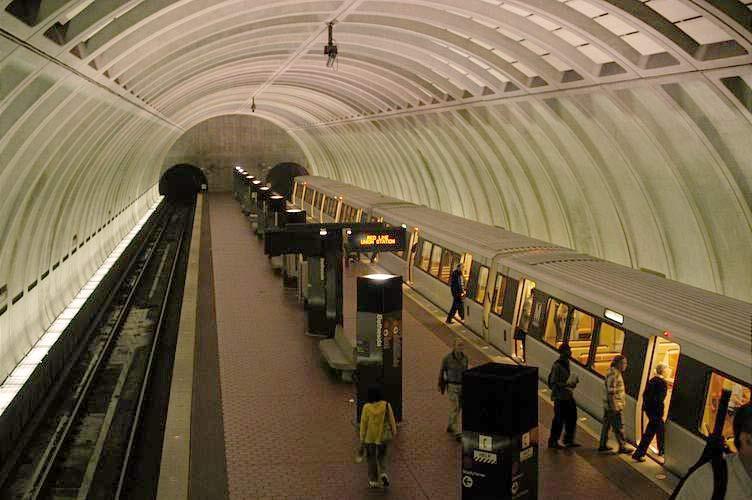
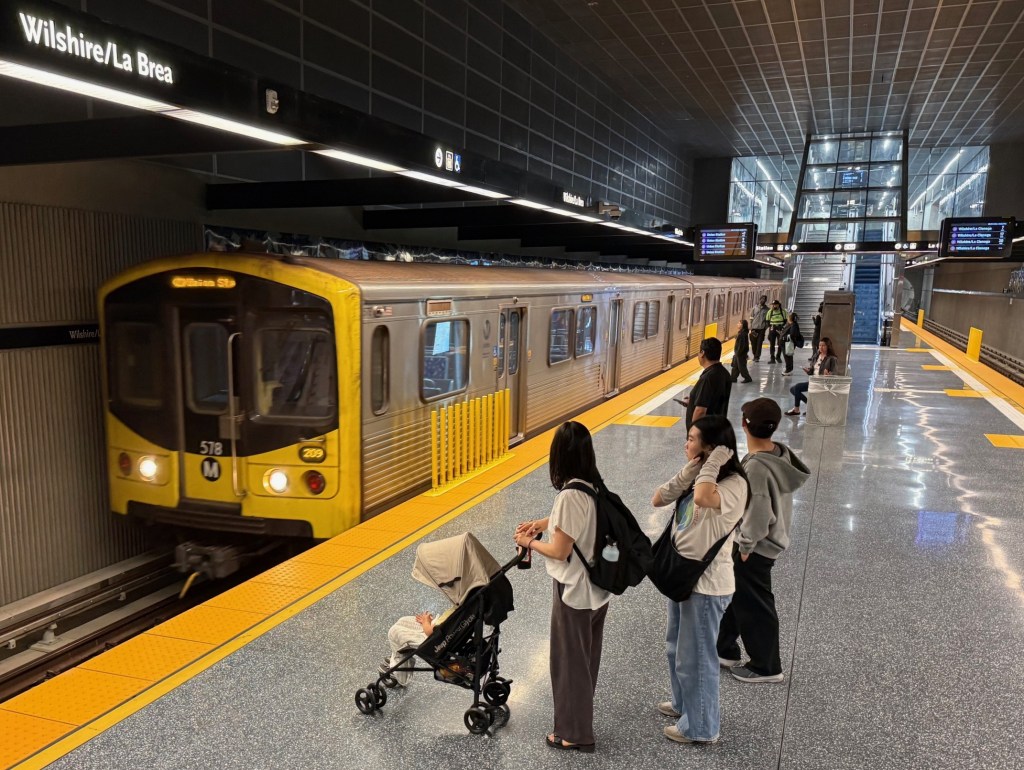
The beleaguered D.C. Metro hopes to increase service, especially at rush hour, and partially reduce fares as part of a $20 million effort to check the breathtaking ridership decline — a plan that transit advocates have been demanding for years to improve service in the nation’s capital.
The proposed budget expansion — which still requires government funding — calls for expanding rush-hour train frequency until 10 a.m., and for an additional hour-and-a-half in the evenings, till 8:30 p.m. Some observers have called this this “happy hour train,” meant to serve young professionals weekday schedule, which sometimes includes afterwork socializing.
The agency also proposes adding to the number of traincars it runs at rush hour, which will help with overcrowding.
In addition, the plan calls for no fare increases and proposes a reduction in weekend fares to a flat $2. It will also reduce the price of one- and seven-day passes.
The agency also proposes expanding its service guarantee program. Riders who experience a delay of 10-minutes or more at rush hour would also be eligible for a fare refund under the proposal.
The proposal to increase service hours has been welcomed by most advocates, but some have criticized certain aspects of the plan. For example, Ward 6 Councilman Charles Allen pointed to possible equity problems with increasing service only at rush hour for the professional class and not restoring late-night service.
Others said the weekend fare decrease was unlikely to reverse weekend ridership declines on its own.
I’m not sure what potential riders who aren’t taking metro for $3/$4 on the weekend are going to come back for $2 rides with the same headways
— Dan Donnelly (@DanTweetedThat) October 29, 2018
The plan comes on the heels of some of the worst performance among major cities for D.C. Metro, which has been plagued with mismanagement and safety problems, culminating with the 24-hour emergency shutdown of the whole system in 2016. The agency has shed 16 percent of its riders since just 2015, according to data compiled by Yonah Freemark at the Transport Politic.
Metro’s board faced broad criticism earlier this month when it appeared to be balking at service increases that might restore ridership. According to NBC’s Adam Tuss, the additional service hours would cost about $20 million; Metro wants local governments to pick up the tab.
The changes will be discussed over the next two months and would require the approval of the eight-member Metro board.

Read More:
Streetsblog has migrated to a new comment system. New commenters can register directly in the comments section of any article. Returning commenters: your previous comments and display name have been preserved, but you'll need to reclaim your account by clicking "Forgot your password?" on the sign-in form, entering your email, and following the verification link to set a new password — this is required because passwords could not be carried over during the migration. For questions, contact tips@streetsblog.org.