America Builds Way Too Much Parking Near Transit

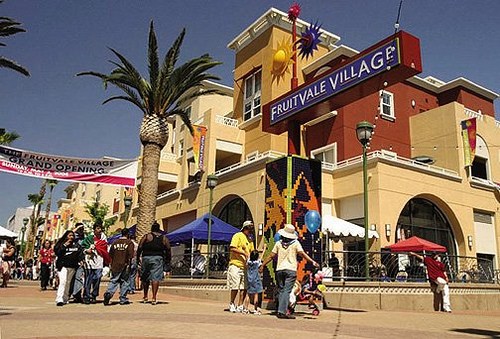
It’s an open secret that American engineering and planning standards call for too much parking at developments near transit. Now a new study from Smart Growth America and Reid Ewing at the University of Utah quantifies how much extraneous parking gets built for projects that are supposed to support walking and transit.
Industry standards like the Institute of Transportation Engineers’ Parking Generation Manual are based on suburban models that overestimate the number of car trips generated by mixed-use development and development near transit.
The new study looked at parking occupancy at five transit-oriented development sites (TODs) around the country and found a scandalous amount of empty space, Transportation for America reports.

Even when developers built fewer parking spots than the ITE standards recommend, they still built too many. Here are the topline numbers from the report [PDF] summarizing the research:
With so many other ways to get to these stations, it is not surprising that fewer people drove to these TODs than ITE’s guidelines expect. The developers of these TODs recognized this, and built parking accordingly. All TODs included in this study built less parking than recommended by ITE — between 23 to 61 percent of ITE’s guidelines.
Yet even this reduced amount of parking was not used to capacity: peak occupancy fell below actual capacity supplied. The ratio of demand to actual supply was between 58 and 84 percent. The actual parking supply was less than recommended supply according to ITE, and the actual peak occupancy was much less than the ITE supply guidelines, in a range between only 19 to 46 percent.
Fewer vehicle trips is one likely reason why parking occupancy rates were lower than ITE’s recommendations. Another reason is that parking is shared between commercial and residential uses at two TODs, is shared between transit and park-and-ride uses at one TOD, is unbundled with apartment rents at two TODs, and is priced at market rates for commercial users at three TODs.

More recommended reading: Seattle Transit Blog reports that local infrastructure boosters say Seattle should stand firm in its commitment to protecting immigrants, regardless of whether it hurts local budgets. And NRDC reports on Georgia’s new solar roadway.

Read More:
Streetsblog has migrated to a new comment system. New commenters can register directly in the comments section of any article. Returning commenters: your previous comments and display name have been preserved, but you'll need to reclaim your account by clicking "Forgot your password?" on the sign-in form, entering your email, and following the verification link to set a new password — this is required because passwords could not be carried over during the migration. For questions, contact tips@streetsblog.org.