Elon Musk’s “Master Plan” Won’t Work for Cities


Earlier this week tech entrepreneur Elon Musk released his updated “master plan” for Tesla, including some thoughts on how autonomous mini-buses will supplant today’s transit and “take people all the way to their destination.” Like every Musk pronouncement, this one got a lot of buzz — but it also drew some healthy skepticism.
One reason to doubt Musk’s plan is that it clearly would not work in cities, writes Jarrett Walker at Human Transit:
Musk assumes that transit is an engineering problem, about vehicle design and technology. In fact, providing cost-effective and liberating transportation in cities requires solving a geometry problem, and he’s not even seeing it. In this he’s repeating a common delusion, one I hear all the time in urbanist and technology circles.
Musk’s vision is fine for low-density outer suburbia and rural areas. But when we get to dense cities, where big transit vehicles (including buses) are carrying significant ridership, Musk’s vision is a disaster. That’s because it takes lots of people out of big transit vehicles and puts them into small ones, which increases the total number of vehicles on the road at any time…
The reigning fantasy of Musk’s argument is that we must always “take people all the way to their destination.” To do this we must abolish the need to ever change vehicles — from a train to a bus, from a car to a train, from a bus to a bike — and of course we also abolish walking. This implies a vision in which buses are shrunk into something like taxis, because a vehicle going directly from your exact origin toyour exact destination at your chosen time won’t be useful to many people other than you.
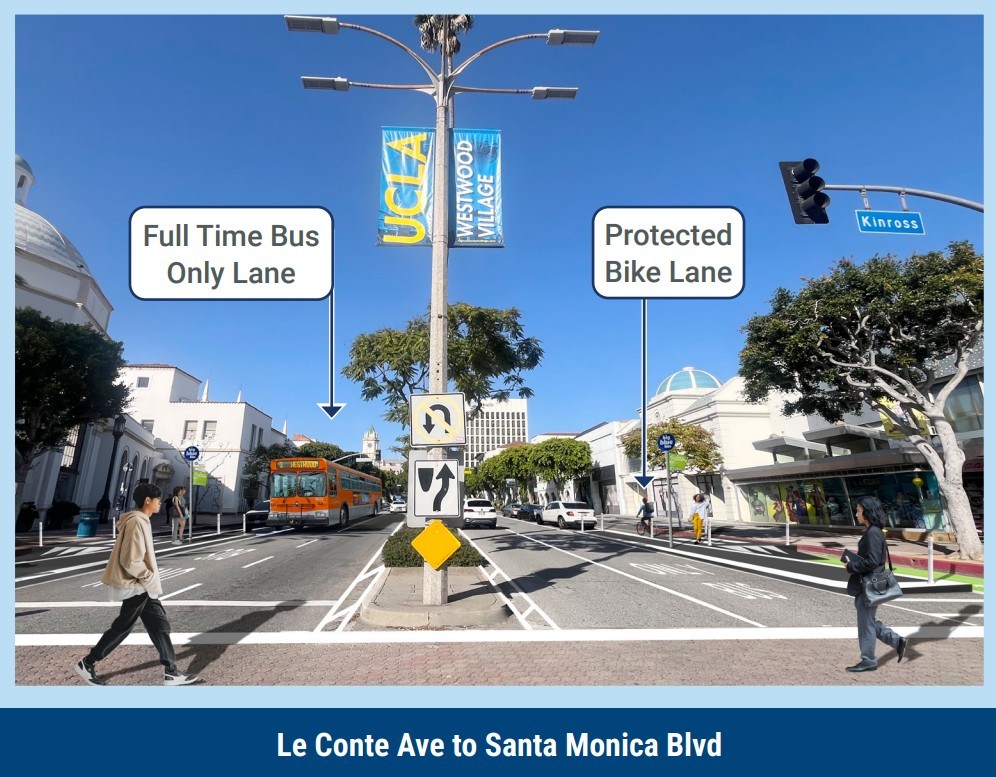
So a bus with 4o people on it today is blown apart into, what, little driverless vans with an average of two each, a 20-fold increase in the number of vehicles? It doesn’t matter if they’re electric or driverless. Where will they all fit in the urban street? And when they take over, what room will be left for wider sidewalks, bike lanes, pocket parks, or indeed anything but a vast river of vehicles?
Elsewhere on the Network today: Greater Greater Washington considers whether a plan to link Georgetown to Rosslyn via gondola is realistic. Renew ATL shares a press release about how Atlanta intends to use $260 million in potential sales tax revenue to improve transit, walking, and biking. And The Urban Edge says Nashville’s new transportation plan could be a model for cities across the Sun Belt

Read More:
Streetsblog has migrated to a new comment system. New commenters can register directly in the comments section of any article. Returning commenters: your previous comments and display name have been preserved, but you'll need to reclaim your account by clicking "Forgot your password?" on the sign-in form, entering your email, and following the verification link to set a new password — this is required because passwords could not be carried over during the migration. For questions, contact tips@streetsblog.org.