Make Older Concrete Buildings Safer by Allowing Better Uses

The Times’ reporting on the vulnerability of pre-1976 concrete buildings to future earthquakes has exposed pockets of risk scattered throughout Los Angeles. Proponents of requiring retrofits of vulnerable buildings in the 1990s were right. Human life is more valuable than the money of building owners. These older buildings should be strengthened one way or the other. But simply requiring owners to upgrade or demolish one thousand medium to large structures could lead to litigation, to wasted materials and energy, and to piles of rubble and vacant lots that would disrupt and diminish neighborhoods throughout the city.
Local officials are considering financial assistance to owners, but will there be the resources to pay for private building upgrades when public assets such as sidewalks also need billions for repairs? One way forward is suggested by considering why some buildings have been retrofitted. All of the older concrete building converted from office or industrial uses to residences and live-work lofts in downtown and other parts of the city under L.A.’s adaptive reuse ordinance have been retrofitted for earthquake safety.
The Department of Building & Safety created a new chapter in the City’s Building Code with standards and procedures to make converted buildings safe for residents. These rules added to the costs of converting a building. The benefit of being able to switch to residential use gave owners an incentive to spend money to make the safety upgrades.
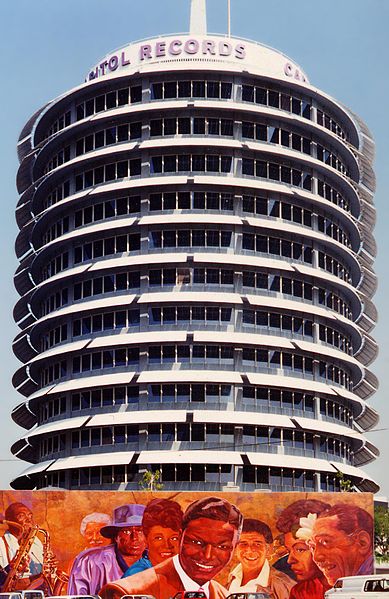
Not every older concrete building in the city can – or should- be changed to residences- Capital Records Lofts, anyone? And some older buildings are already apartments. L.A. can expand this approach to encourage more retrofits. To incentivize safety, allow new uses (and better regulations) for old buildings. A package of land use changes for pre-1976 concrete buildings could simultaneously encourage seismic upgrades and also model the kind of zoning rules that the city should be moving towards citywide.
First, allow mixed uses in these older buildings. Office buildings could include condos or apartments. Apartment towers could add ground level shops or mix office suites in with residences. Second, reduce parking requirements so that building owners may, if they wish, make back some of the costs of seismic improvements by converting some lots or garages into leasable space. Third, allow bigger buildings by increasing size and height limits (requiring, of course, that a building be engineered to be seismically safe at increased size). And finally, speed up building permits for structures being strengthened.
Each of these changes is intended to serve the dual purpose of financially encouraging earthquake retrofits while also making L.A. into a more walkable, healthy and prosperous and less car-addicted city. Los Angeles is starting the process of updating its 1946 zoning code.
The new code should allow more mixed-use buildings, reduce parking requirements, and facilitate more density near transit. The spotlight on seismic risk can become an opportunity to rapidly implement better land use rules for older buildings as a kind of test run of zoning reform. There is probably no package of reforms that would incentivize all buildings to be upgraded, but why not start with this win-win approach and use mandates and/or financial assistance as additional tools?
The word concrete is derived from the Latin ‘concrescere’ meaning ‘to grow together.’ Let’s increase the safety of older concrete building in a way that would improve rather than disrupt Los Angeles’ urban fabric.

Streetsblog has migrated to a new comment system. New commenters can register directly in the comments section of any article. Returning commenters: your previous comments and display name have been preserved, but you'll need to reclaim your account by clicking "Forgot your password?" on the sign-in form, entering your email, and following the verification link to set a new password — this is required because passwords could not be carried over during the migration. For questions, contact tips@streetsblog.org.