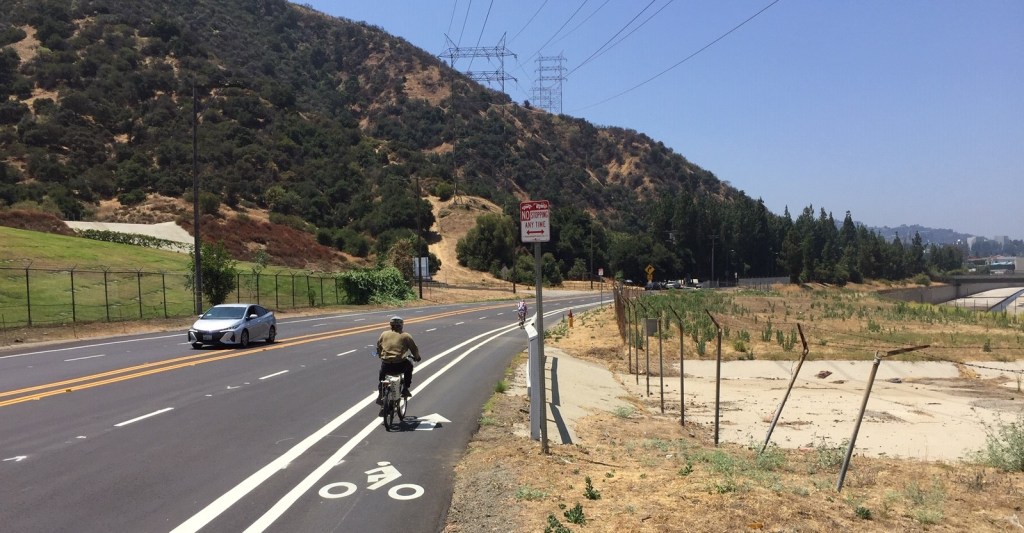
What Lies Beneath: Using Community Gardens to Recapture Shared Culture
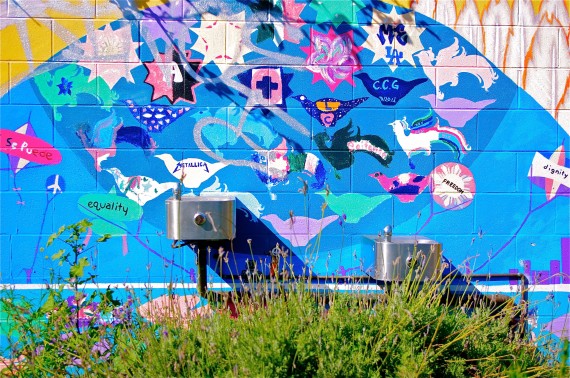
We are most sad about being unable to pass on our agricultural traditions to our children, said an older gentleman in Spanish.
Where we lived, we had no cars — only canoes for the canals, he continued. We grew all we needed with techniques that we had brought with us when we were taken from Africa — techniques that are unique to our community and history.
Now we are here, and we are lost because we can’t pass our agriculture on to our children anymore, he concluded, referring to their sprawling community of tiny, hastily-built brick huts perched precariously on a barren hillside high above Bogotá.
I had not expected that answer. I was in Colombia — specifically, in Soacha, a settlement/city outside the capital, Bogotá — to interview people affected by the conflict that raged across the countryside at the time. The Afro-Colombians sitting before me had been displaced from the Chocó, a tropical region whose fertile and resource-rich land has long been coveted by those seeking to make their fortunes mining, growing coca, or doing large-scale farming.
I had asked about their struggle to maintain their identity as a people and community, hundreds of miles away from their homeland in a hostile climate and in a city — Bogotá — that was not exactly thrilled to have them there.
They all agreed that losing their connection to their agricultural practices and the land had done tremendous and potentially irreparable harm to them as a people.
Said one in Spanish, spreading his hands slowly: How will our children know who they are? Or who we are?
These questions seem to be ones that drive many of those involved in community gardening efforts around the city. For them, gardens are not just about producing fresh foods, but about establishing a deeper connection with the land, with nature, with the community, and with our shared heritage.
Jessica Gudiel, a tiny force of nature who has worked as garden coordinator for The Accelerated School for the past three years, speaks about the importance of trying to help students build a relationship with the garden that lasts beyond a class or a garden work day. She even holds meditation sessions in the garden for the students when they visit to help them equate nature with peace and positive energy that can feed their spirits as well as their bellies.
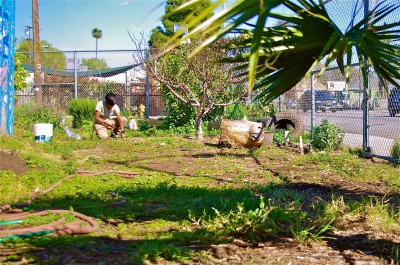
“Kids are so disconnected from their bodies,” she said. They don’t know what it is to be healthy. If they can come to understand the the health of the garden as part of a larger ecosystem, they may walk away with larger life lessons about their own health and that of their community.
To encourage this, Jessica holds a work day for parents of students at the school on the last Saturday of each month. Parents had been instrumental in setting up the garden in the first place, helping to break the cement on what had previously been a small parking lot across the street from the school. Many of them have said they enjoy working in the garden because it reminds them of their early upbringing in Mexico and Central America.
Having the “elders” of the community there to share their traditions and folklore, she hopes, will create a kind of knowledge-sharing ecosystem that is grounded in a relationship with nature and health. Over time, perhaps it will help us remember the shared deeper culture that links all of us and predates the concrete jungle that defines us now.
Inspired by the work of Jessica and other gardeners around the city, I will be exploring the role of gardening in cultivating community with the organization Community Services Unlimited (CSU) over the next few weeks. Their work challenges some of the conventional wisdom surrounding health problems in Los Angeles and offers innovative ways to solve them. Please stay tuned.
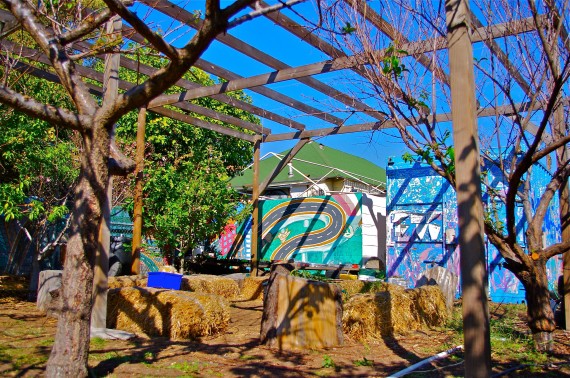

Read More:
Streetsblog has migrated to a new comment system. New commenters can register directly in the comments section of any article. Returning commenters: your previous comments and display name have been preserved, but you'll need to reclaim your account by clicking "Forgot your password?" on the sign-in form, entering your email, and following the verification link to set a new password — this is required because passwords could not be carried over during the migration. For questions, contact tips@streetsblog.org.