Why We Focus on Unsafe Cycling and Not Unsafe Driving

 Things would be different if bicycle safety training were elementary. (Photo: Bike Portland via Flickr)
This morning on Sustainable Savannah, a post about double standards.
John Bennett writes that at two recent meetings in Savannah about
improved bicycle facilities, the discussion turned to unsafe cycling
practices, such as wrong-way riding, riding without lights, and riding
on sidewalks. While Bennett is concerned about those things as well, he
wonders why discussions of investment in bike infrastructure almost
inevitably turn to the question of unsafe cycling:
Are similar suggestions about combating unsafe driving ever prompted
by discussions of new roadways? I can’t remember a single instance. All
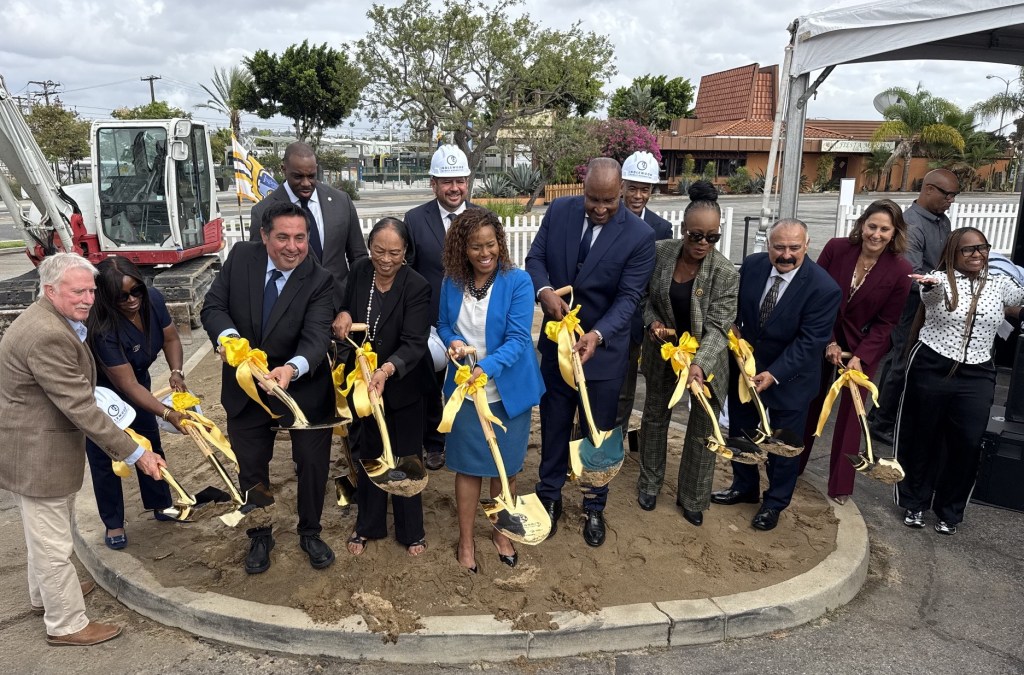
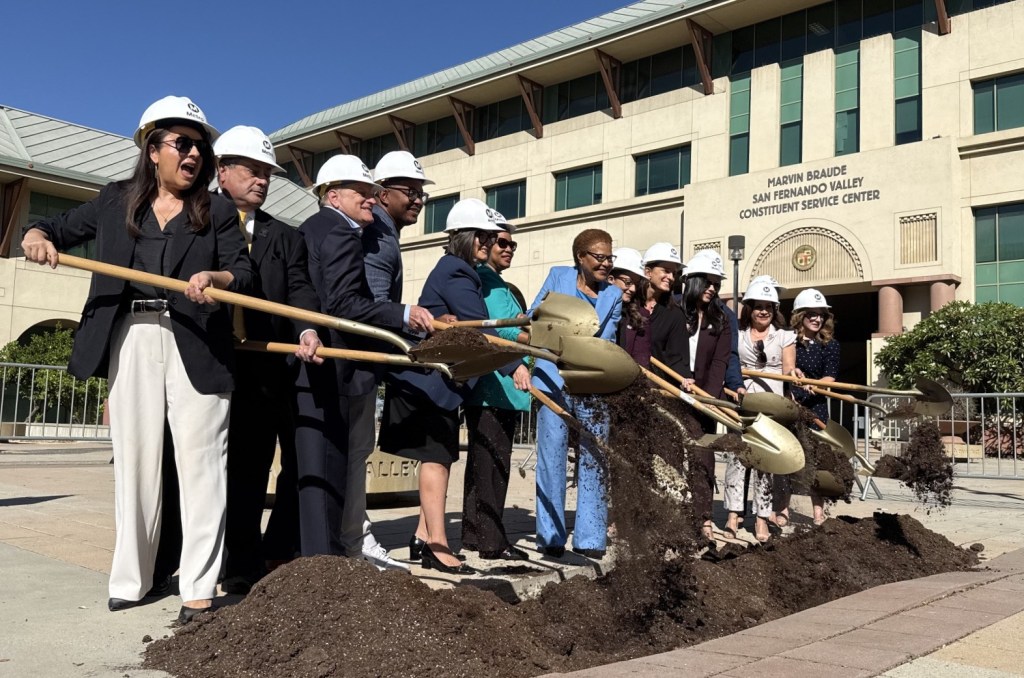
sorts of elected officials had all sorts of things to say at the groundbreaking for the fifth phase of the Truman Parkway
last month, but did any mention the need to educate motorists about
speeding or aggressive driving? Car crashes, too often resulting in
fatalities, are a regular occurrences on the existing portions of the
limited access freeway. Wouldn’t a groundbreaking ceremony present an
excellent opportunity to warn about the dangers of distracted or
impaired driving and call for new programs to better educate motorists
who use the Truman Parkway?
Again, I appreciate any concern expressed for the most vulnerable
road users, but I’m curious about the requisite safety discussions that
accompany our conversations about bicycling. Is there a subtle
expectation that as cyclists we must earn, through good behavior, any
new infrastructure made available to us, no matter how small? Is this
expectation self-imposed? I must admit, I’ve caught myself thinking
(and sometimes saying) things along these lines. Meanwhile, as
motorists we enjoy colossal new facilities ($67.5 million in the case
of Truman Parkway Phase Five), without being asked to consider how to
ensure their safe and responsible use.
I think part of the concern about safe riding practices stems from
the lack of consensus — among people who ride and people who don’t —
about just exactly what safe cycling is. Safe driving practices are far
more standardized and codified, because driving is a mode of transport
that every American is expected to use at some point in his or her
life. People on bicycles are forced, because of a mishmash of
infrastructure and regulations, to make things up as they go along.
Which is why there is so much disagreement about the practice known as “salmoning.” (Speaking of which, what do you think of “zebras“?)
It doesn’t have to be like this, of course. In a country with
extensive bike tradition and infrastructure, such as the Netherlands, citizens are educated from an early age
about how to ride. This means that everyone knows what “safe cycling”
means — people on bikes, people on foot and people in cars. And there’s
no need to fret about “cyclist safety” every time a new bike path is
built.
As you head into the weekend, give some thought to slowing things down. Both Boston Biker and Let’s Go Ride a Bike have posts today about the pleasures of riding at a more leisurely pace.

Streetsblog has migrated to a new comment system. New commenters can register directly in the comments section of any article. Returning commenters: your previous comments and display name have been preserved, but you'll need to reclaim your account by clicking "Forgot your password?" on the sign-in form, entering your email, and following the verification link to set a new password — this is required because passwords could not be carried over during the migration. For questions, contact tips@streetsblog.org.