Aspen Experiments With Paying People Not to Drive Downtown

The Colorado resort city of Aspen is about to start bribing people not to drive downtown.
Next month, the Rocky Mountain enclave will being offering a range of rewards to commuters who shift from driving alone — a pilot program that hopes to reduce by 800 the number of cars driving into the congested city every day.
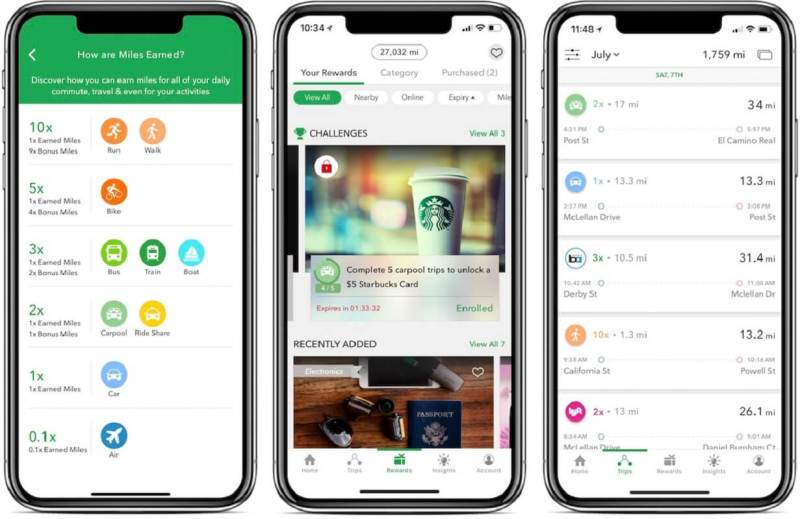
The city will begin a test phase next month with city employees. Participants will have to download and app called “Miles,” according to the Aspen Times. The app contains sensors that can determine whether the user is driving alone, carpooling, riding a bike or taking the bus.
As users accumulate miles from their transit, bike or group commutes, they will become eligible for prizes from national and local businesses ranging from a $5 coffee card to a ski pass at the top end. The City has budgeted $20,000 for prizes during the initial two-month trial, targeting about 350 city employees, and $375,000 for the full year next year, when 750 commuters will hopefully sign up. About $200,000 will be spent on marketing and recruiting participants. The rest will be spent on prizes.
As part of the effort, the city is also spending $1.3 million to improve amenities and service to the Brush Creek Intercept Lot, a park-and-ride facility. More bus service, tables, chairs, food trucks and micro-transit will be included.
About 70 percent of the money spent on the program will be from parking fees and tickets. The other 30 percent will come from the city’s general fund, the paper reports.
The program is an example of “Transportation Demand Management,” which seeks to reduce driving — and the attendant costs, especially expensive parking infrastructure — by offering incentives to commuters to discourage solo car commuting. Colleges and hospitals in a few locations around the U.S. have pioneered the strategy, though the most successful programs also use items like daily-parking payment to discourage driving as well.
But it remains rare for an entire city to roll out transportation demand management (it’s far more common for urban areas to widen roads or add parking garages. Columbus’ free bus pass for downtown workers is an example of citywide transportation demand management. New technology like the Miles app may allow cities to offer carrots to downtown employees to leave their cars at home.

Read More:
Streetsblog has migrated to a new comment system. New commenters can register directly in the comments section of any article. Returning commenters: your previous comments and display name have been preserved, but you'll need to reclaim your account by clicking "Forgot your password?" on the sign-in form, entering your email, and following the verification link to set a new password — this is required because passwords could not be carried over during the migration. For questions, contact tips@streetsblog.org.