Distracted Driving Is Claiming the Lives of More Pedestrians and Cyclists


Total traffic deaths have declined nationwide in recent years, but the same has not held true for the most vulnerable people on the streets: cyclists and pedestrians. In 2011, 130 more pedestrians were killed in traffic than the year before, a 3 percent increase, while 54 more people lost their lives while biking, an increase of 8 percent. The same year, overall traffic deaths declined 2 percent.
As for the reasons why, good data has been scarce, but that hasn’t stopped major media from blaming victims for “drunk walking” or “distracted walking.” Now a new study published in Public Health Reports, the journal of the U.S. Public Health Service and the Office of the U.S. Surgeon General, reveals that distracted driving — particularly driving while texting — partially explains the rising death toll.
A research team from the University of Nebraska Medical Center examined crash records from every fatal collision tracked by the Fatality Analysis Reporting System between 2005 and 2010. They found that the rate of bike and pedestrian fatalities in which distracted driving was listed as a factor increased sharply over that time period.
Pedestrian deaths attributable to distracted driving rose from 344 in 2005 to 500 in 2010, significantly faster than overall population growth. Annual bicyclist deaths caused by distracted driving rose from 56 to 73 over the same period. Together pedestrians and bicyclists accounted for about one in 10 traffic fatalities that resulted from distracted driving, researchers found.
Distracted driving was defined to include anything from tending to a child to tuning the radio or eating while driving. Cell phone use was a major culprit, cited by police in 18.6 percent of the distracted driving deaths involving pedestrians and cyclists.
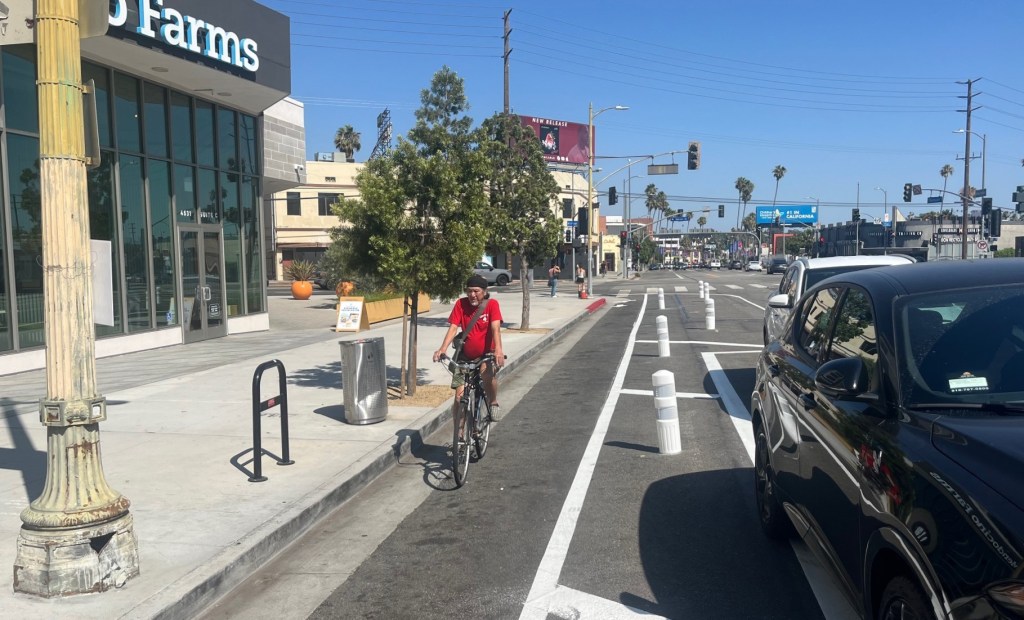
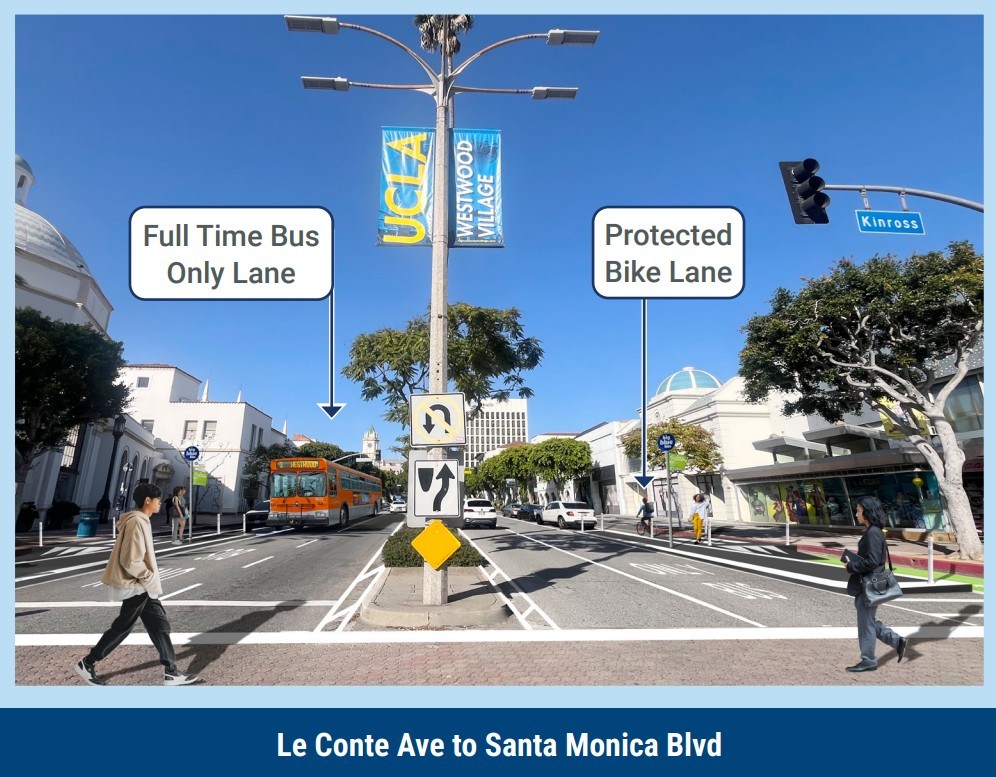
“The problem is that pedestrians and cyclists have little protection on the roadways,” Fernando Wilson, an associate professor in the College of Public Health at the University of Nebraska Medical Center and one of the study’s authors, told the Robert Wood Johnson Foundation, sponsor of the study. “Evidence suggests that separating non-motorized travel from motorized travel, through bike lanes or other redevelopment efforts, could greatly reduce deaths.”

Read More:
Streetsblog has migrated to a new comment system. New commenters can register directly in the comments section of any article. Returning commenters: your previous comments and display name have been preserved, but you'll need to reclaim your account by clicking "Forgot your password?" on the sign-in form, entering your email, and following the verification link to set a new password — this is required because passwords could not be carried over during the migration. For questions, contact tips@streetsblog.org.