Pedestrian Safety
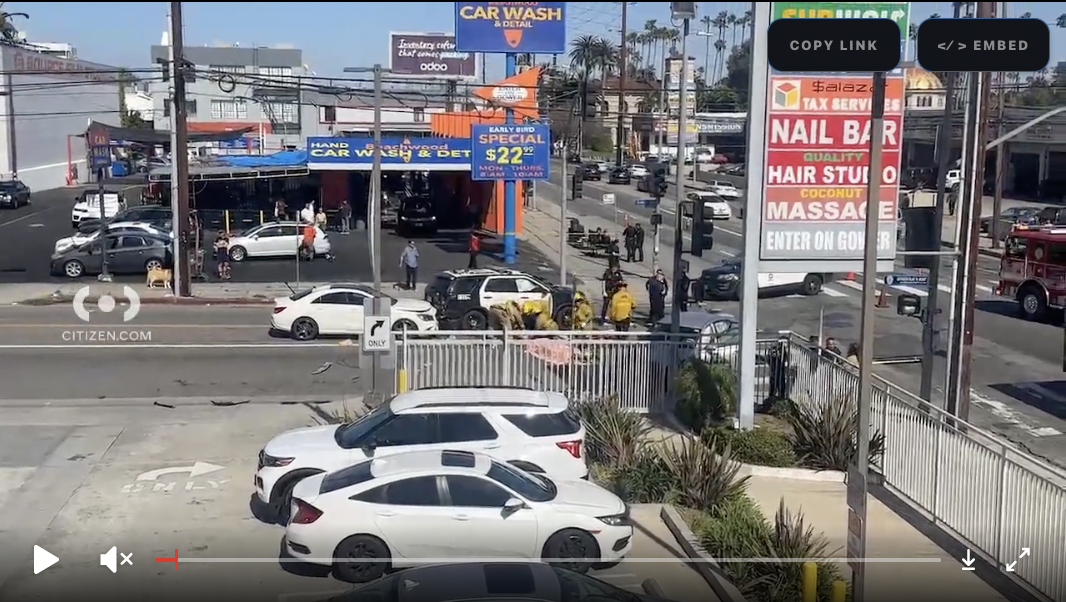
LAPD Was Crossing Against Red Light in Crash that Killed Pedestrian and Injured Six in Hollywood
The department says the officers had turned on their lights and sirens just before crossing. Their reasons for doing so remain unknown.
Eyes on the Street: Parthenia Place Walk/Bike Project Nearly Completed
Parthenia Place's bike/walk improvements are open now, though landscaping is anticipated to be completed by this Fall. Additional connected projects coming soon.
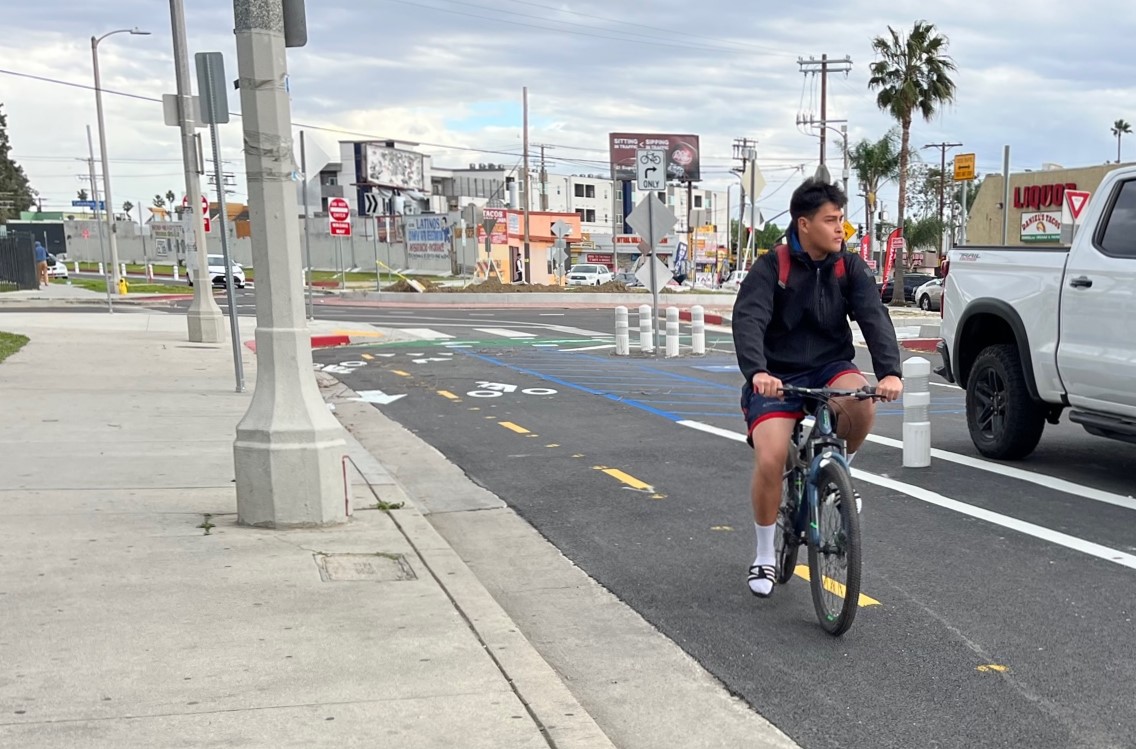

Pasadena Wants Your Opinion on Quick-Build ‘Activate Allen Avenue’
The transit connectivity improvements on Allen connect existing bike facilities on the city’s north side to the Allen Avenue Metro A Line station
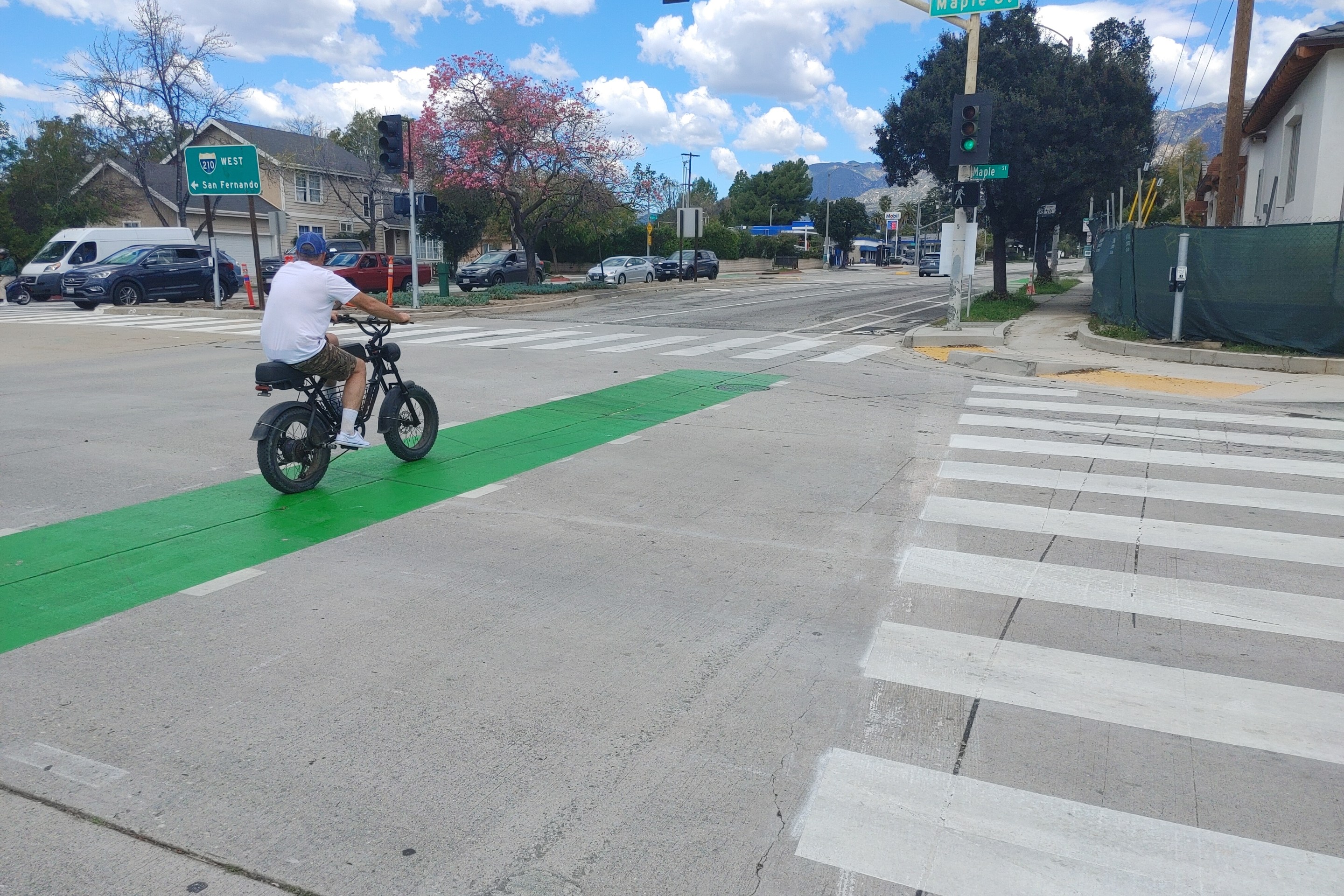
Alhambra City Council Approves New Bike and Walk Plan
There was a general atmosphere of support for the plan, but with key differences on the extent of facilities that might be developed
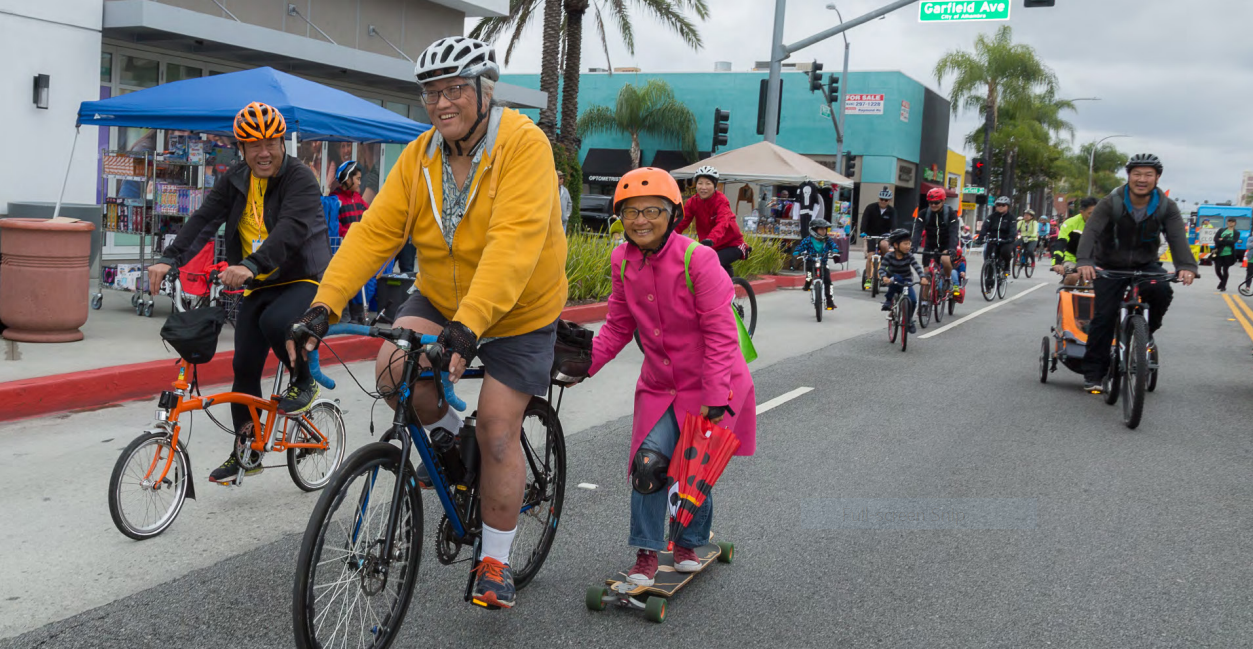
Many Cities Get Free Bike and Bus Upgrades from New Development
L.A. City could shift current resources that today go to widening streets - and instead upgrade sidewalks, bus stops, and bike lanes - especially when new development pays for it
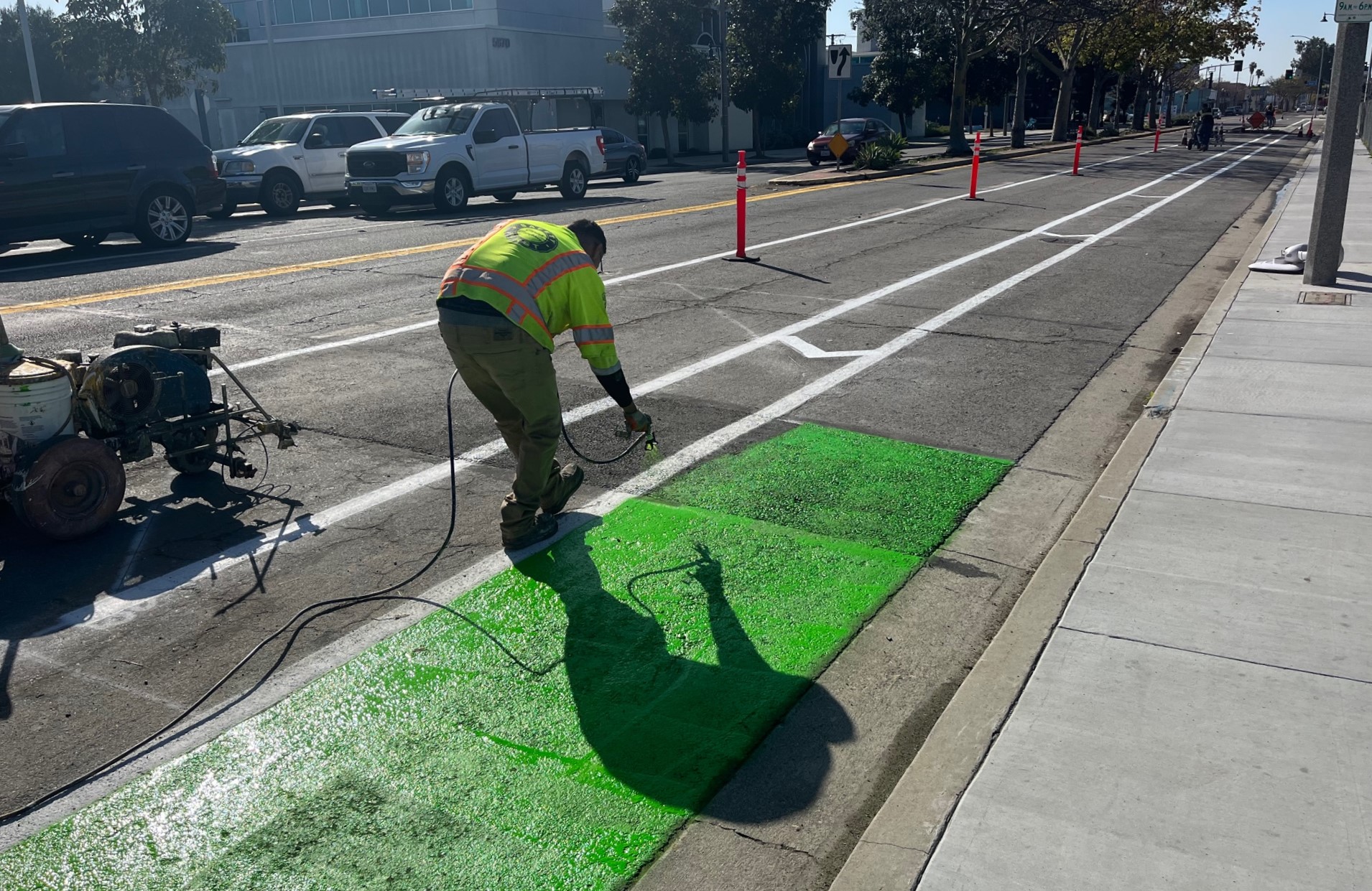
Meet Alexandra Ramirez, the New Executive Director of Los Angeles Walks
Meet Alexandra Ramirez at this Saturday's L.A. Walks Sidewalk Soirée event.
Measure HLA Fact Check: Sidewalk Costs
The city says $200 million worth of annual ADA work is "included in the cost" of Measure HLA, but the city is already on the hook for that ADA work anyway, so none of it should be included as HLA costs
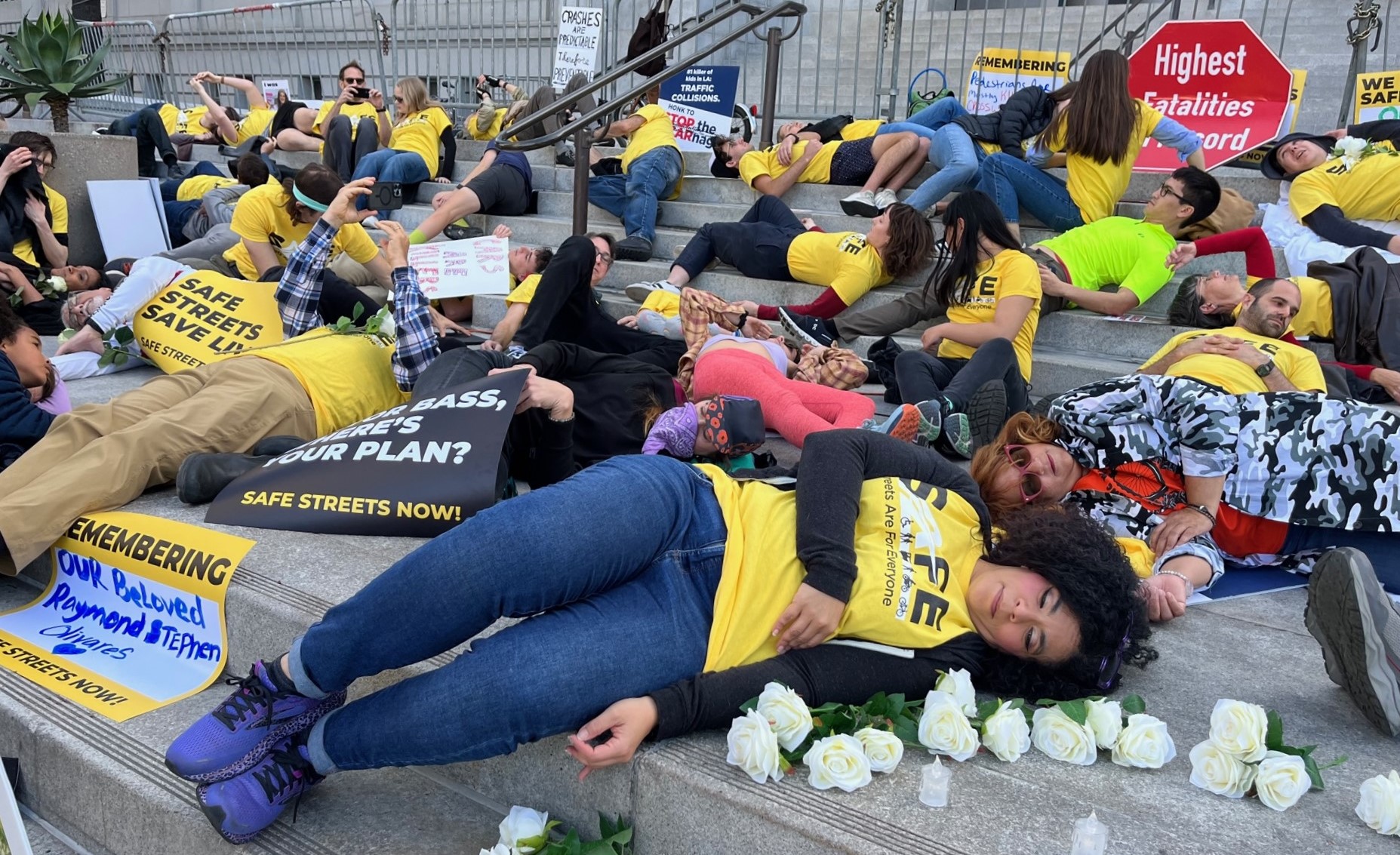
Die-In Rally Calls on Mayor Bass to End Record Traffic Deaths
336 people were killed in L.A. City traffic crashes in 2023 - the highest total in over 20 years. Safe streets advocates are urging the city to take Vision Zero seriously.
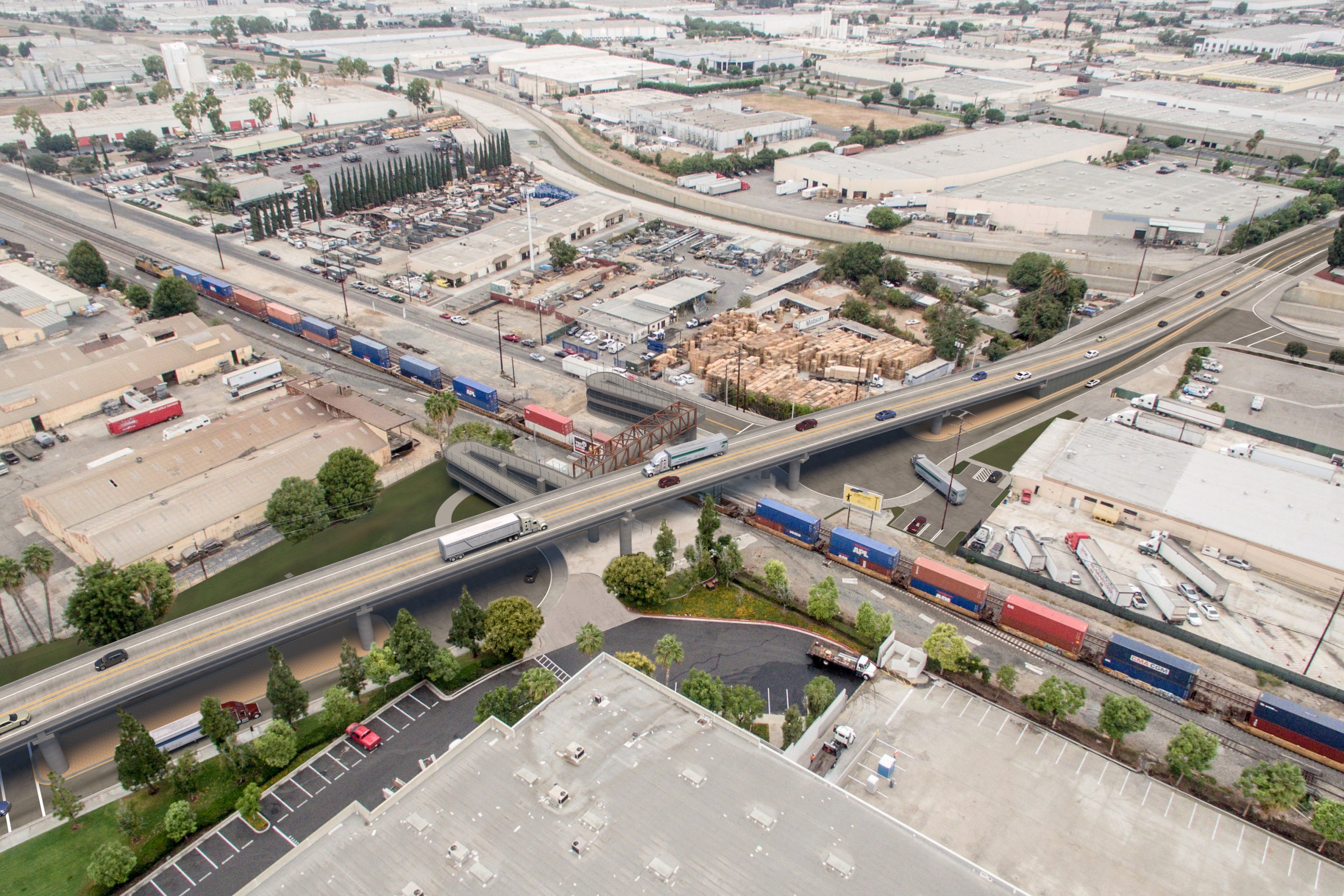
Turnbull Canyon Road Grade Separation Construction Underway Soon, Includes Ped/Bike Bridge
The bridges will be built over the Union Pacific tracks where many cut through for a reprieve from the area’s busy arterials
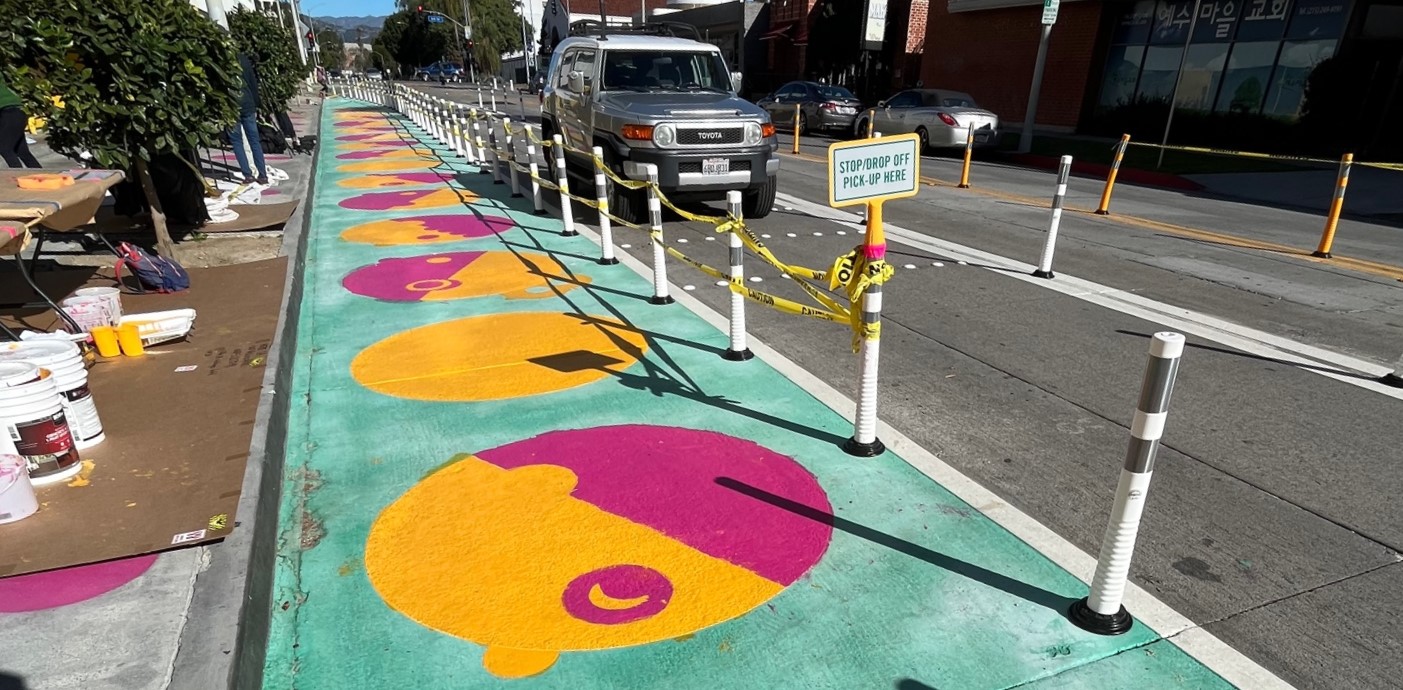
Eyes on the Street: Safe Routes to School Improvements in Koreatown
"While the street is a little bit narrower, we're seeing a lot more kids getting to and from the school in a lot more safe and organized fashion"