


Agency Watch
Reclaiming Streets from ICE with Music, Dance, Altars, Mutual Aid, Community, and Resistance
The Mariachi Plaza event was one of four held across LA. Tuesday night. The June 19 abduction of street vendor Emma de Paz from the Hollywood Home Depot was a touchstone of the Eastside gathering.



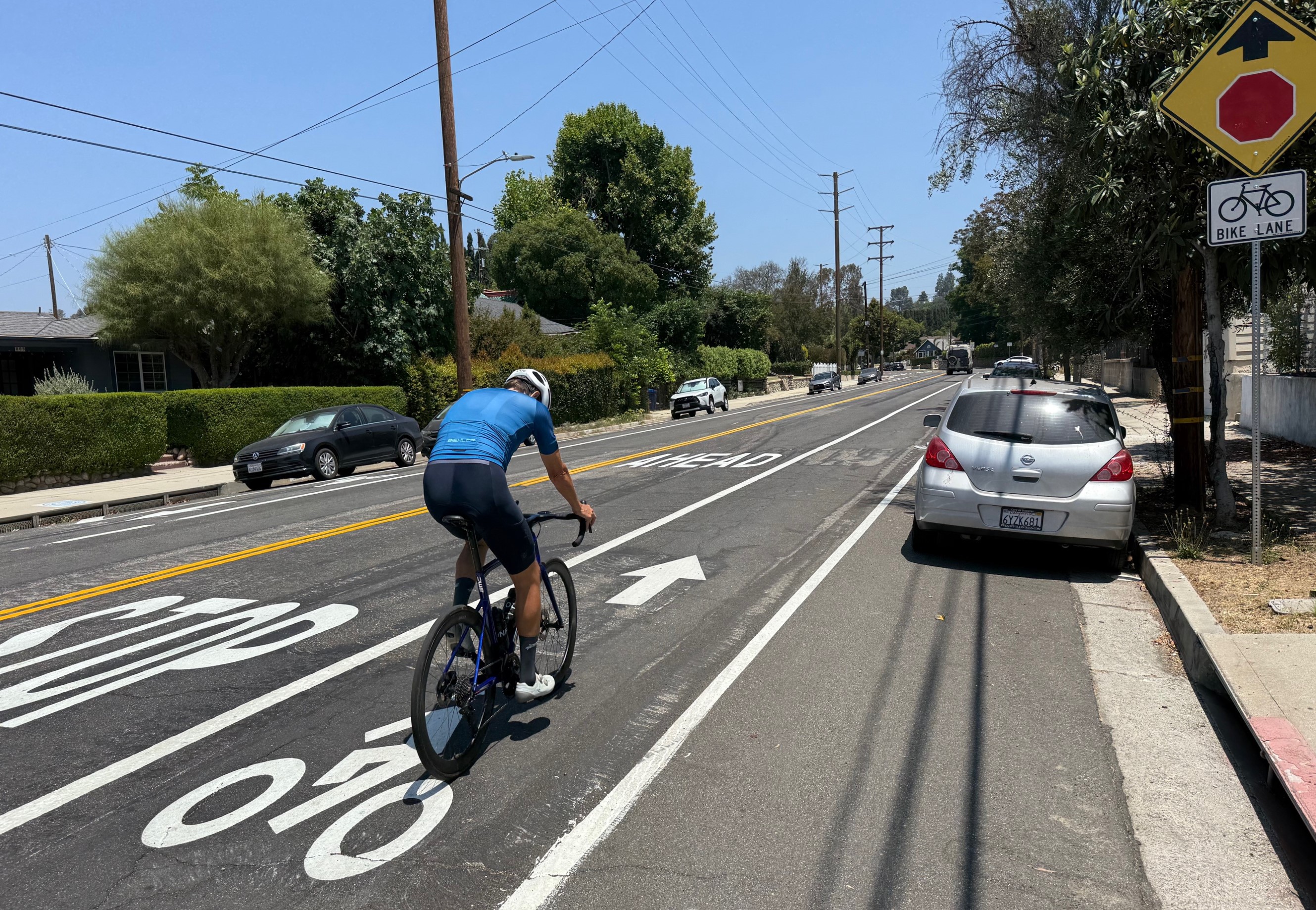
Eyes On the Street: Metro and L.A. City Restore Wilshire Blvd. at New Subway Stations
Construction is winding down on Metro's 3.9-mile $3.35 billion D Line subway extension section 1
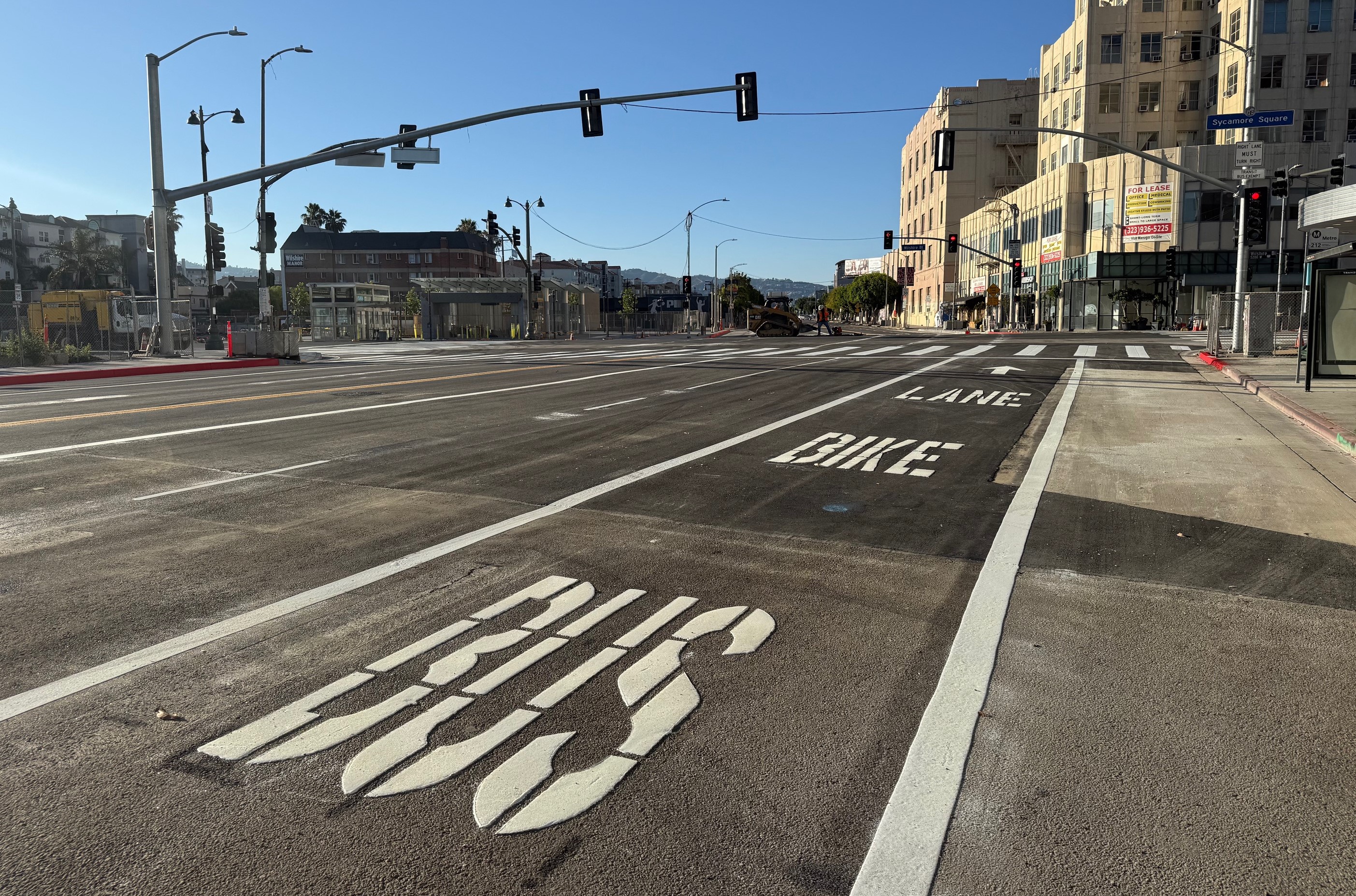
Metro Responds to Issues Resulting from ICE Raids and Protests
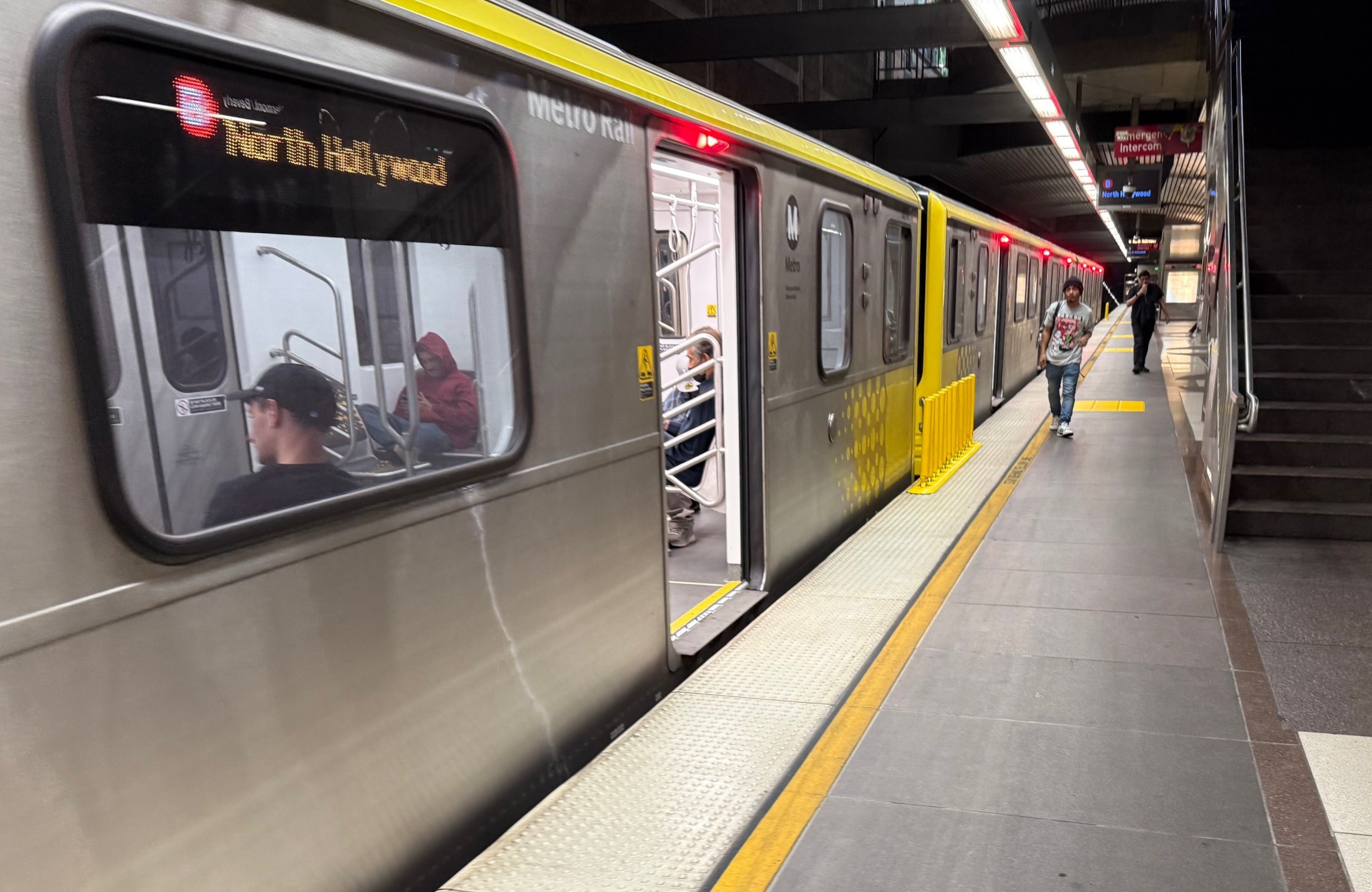
The Metro board received an update on recent Metro service disruptions precipitated by ICE raids. The board approved a Janice Hahn motion intended to minimize service disruption.
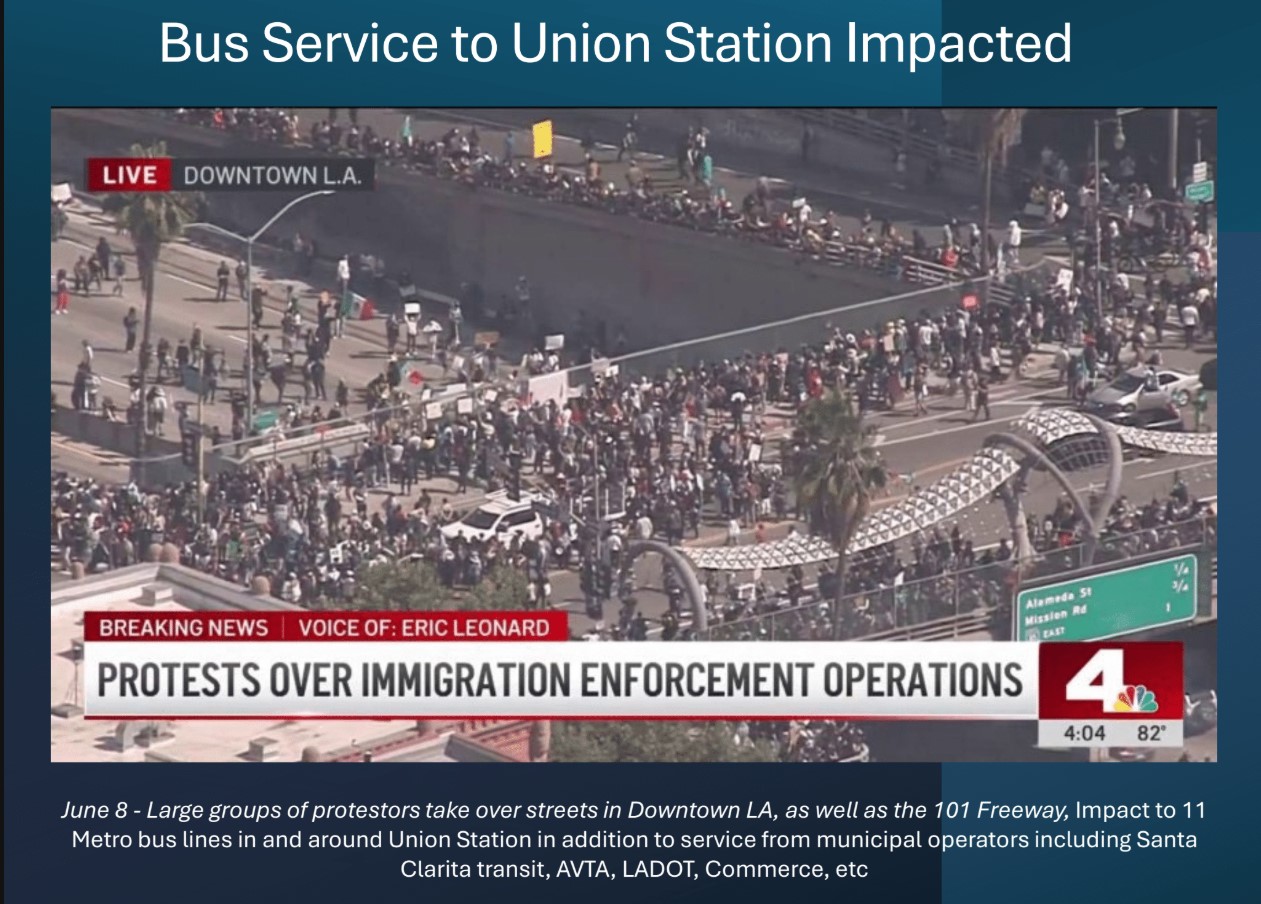
La Verne Celebrates Metro A Line Station, Foothill Extension to Open Soon
The new $1.5 billion 9.1-mile Foothill A Line extension construction is complete, and Metro is currently testing. Rail service is expected to debut in the next couple months.

Peaceful Protestors Take to Arcadia Park to Condemn ICE Raids
Demonstrators gathered Friday evening to demand an end to immigration raids in the San Gabriel Valley and beyond.
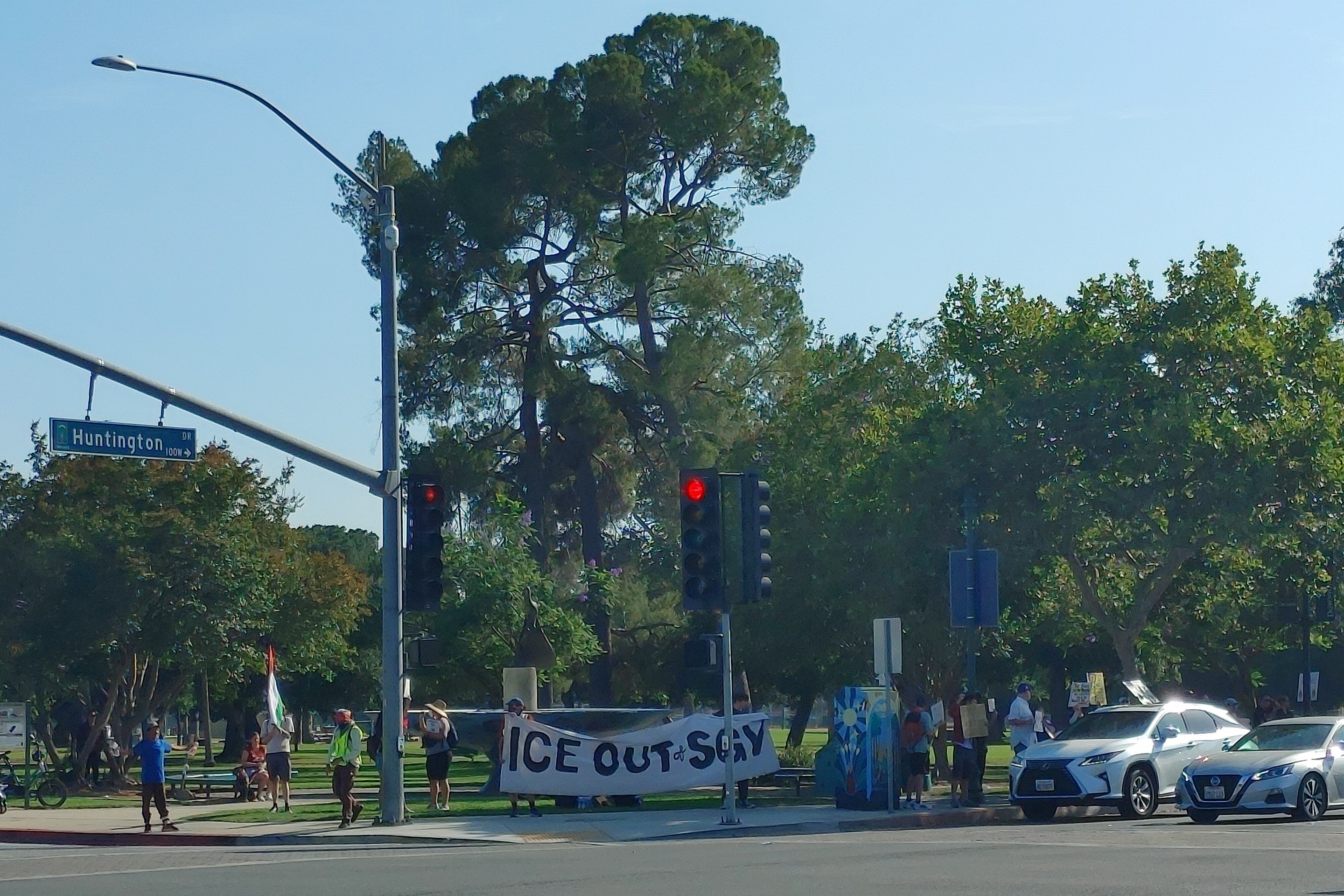
Brief Updates from June Metro Committee Meetings: Ridership, Service Changes, and More
Metro ridership is growing, Metro low income (LIFE) program analysis, service changes this Sunday, Metro prepares for World Cup soccer, and an upcoming report on ICE rail impacts
As ICE Continues Assault on Vulnerable Workers, Groups Launch Fundraiser to Assist Street Vendors
Empty streets and fears of being disappeared off street corners are hurting vendors' ability to stay afloat


Eliminating Municipal Parking Requirements Does Not Equate To Zero-Parking Homes
No, the Blumenfield-Raman parking reform motion will not result in a proliferation of "parking-free developments"
