A Streetsblog Interview with C.I.C.L.E.’s Liz Elliott
 Cyclists
Inciting Change thru Live Exchange (C.I.C.L.E.) reached a milestone
earlier this month when it appointed Liz Elliott as its first executive
director. While C.I.C.L.E. shares the same goal as other bicycle
advocacy groups, they seek to bring about change by helping as many
people as possible get out of their cars and onto bikes by teaching
bike safety, programming Bike Week Pasadena, participating in Park(ing)
Day, and by hosting its own wildly successful series of bike rides
known as "Urban Expeditions."
Streetsblog conducted an over e-mail interview with Liz last week.
Streetsblog: First
off, congratulations on the new gig. It must be exciting. I think
the first thing people would like to know is what changes, if any, will
people notice with CICLE? Will its focus change at all as a result of your hiring?
Liz
Elliott: Thank you, it is indeed exciting. For the last several years
C.I.C.L.E. has been a labor of love-powered by a few dedicated
volunteers. But as C.I.C.L.E. began to grow and increase its scope, it
was clear that we needed a dedicated staff member on board. Well that
day is here. Now C.I.C.L.E. is my job! While it's just a part time
position, it still is having a tremendous impact on the organization's
growth and development.
As a transportation focused bicycle
advocacy organization, we've committed ourselves to using Education and
Encouragement programming as a primary method to achieve our
mission-which is essentially to get more people swapping out their cars
for their bikes (at least part of the time). That trajectory won't
change much over the next year or so, but do expect to see noticeable
growth with our existing programs. Since I've come on board as
director, we've already increased our workshop count from one a month
to 3-4 per month. And as we continue to build, C.I.C.L.E. will begin to
travel and engage more Los Angeles communities too.
One thing
that I'd like to note about C.I.C.L.E.'s education program, is that it
doesn't just focus upon bicycle safety-our goals are much broader than
that. While promoting safe and effective riding style is very important
and rests at the core of our curriculum, introducing people to smart
solutions that help get them riding is an equally important component.
As we continue to expand our education program, expect to see new
workshops such as "The Bicyclist Lifestyle Workshop", "Bikes &
Transit: Expanding your Mobility", Trailer Building Workshops, and
more. These workshops offer much more than safe riding techniques, they
teach fun and exciting solutions that inspire more Los Angelenos to
start bicycling, and help the existing cyclist to keep at it. Some
people think C.I.C.L.E. only works with new cyclists, but the truth is,
we work with a lot of current cyclists too.
Obviously you're very familar with the terrain out there. When
Streetsblog interviewed Eric Knutzen a couple of months ago, we asked
him, "If you could give one piece of advice to a new rider what would
it be?" I'm curious to see if your answer is the same as his...
no doubt that your route plays a key role in creating an enjoyable
experience that begs to be repeated. We always highlight the merits of
less congested, gentler LA streets in our presentations and workshops,
and we've hosted our Back Roads LA (http://www.cicle.org/cicle_
) routes listing as a resource to help people find those routes.
However, I'd hate to be limited to one piece of advice because it's
like offering a single puzzle piece, and it may not be the puzzle piece
they need at that time. My one piece of advice will definitely vary
from person to person. For example, some new riders come to us with
very limited bike handling abilities, and they're simply not ready to
begin crafting routes yet. These new riders need to boost their skills
and confidence on the bike before they can get out there and hit the
streets. This is why we really try to assess an individual's abilities,
personal barriers, and even personality type, when we're working with
them. We also talk openly about issues regarding class, ethnicity,
gender, age, health, etc. We take all factors into consideration,
without judgment, and then we base our advice upon a more personalized
and accurate picture. That's why we keep our classes small, so that we
can address each student on a personal level.
Seeing where Los Angeles County is now, what do you think the first
thing the city and/or county should do to make things safer for
everyone?
like to see Los Angeles take a very bold step towards creating a city
environment that's inviting to bicyclists of all ages and abilities.
I'd really love to see Los Angeles look to other cities, such as
Berlin, London and Copenhagen, and begin to aggressively incorporate
speed reduction, or traffic calming, as part of its approach to
increasing the rate of bicycling.
C.I.C.L.E. works in bicycle education, I get the wonderful opportunity
to view the city from a beginning bicyclist's perspective on a regular
basis. And what I have found is that most new cyclists are very
intimidated about mixing with high-speed auto traffic. Even within a
bike lane placed on a multi-lane arterial that supports an overall
speed of 35 mph or higher, most new bicyclists are very reluctant to
ride in that bike lane due to the high auto traffic speeds. In my
opinion, traffic speeds need to be addressed if we are to be successful
in greatly increasing the rate of bicycling. We need to stop
prioritizing the speed of auto traffic at the expense of all other road
users. Ideally, Los Angeles would have a comprehensive network of
well-engineered bicycle and pedestrian priority streets, and on those
streets, auto traffic would be limited to around 20 mph. I think
Enrique Penalosa sums it up perfectly when he advocates for a city
built for people instead of cars. "A city that works for its most
vulnerable citizens-the children, the elderly, the disabled, the
poor-tends to work well for everyone else."
So you have a lot of experience biking around LA County, do you have
any favorite stories or rides you want to share with riders?
Liz Elliott:
While
this isn't exactly about me biking around town, but I do have this one
very recent story that I love. We had two students show up at our
"Learn to Ride" class a few weeks ago, each with a goal to become bike
commuters. What was so inspiring is that neither of them really
believed that they could learn to ride a bike--they just had this
"crazy" dream. Lisa's boyfriend had tried to teach her on his bike, and
just gave up. Ray's friends took him out for about 20 minutes and came
to the conclusion that he was just hopeless. So when they started
pedaling after only about an hour into the class, it was a huge
celebration. This is our favorite class, and we always get emotional
when they take off on their own. So much work has gone into getting
them to that moment, and when they take off, you stand by like a proud
parent filled with joy. Afterward, they were so excited and wanted to
know what bikes they should buy. Now they've already advanced into our
bike handling workshops and are becoming competent cyclists, and
soon-to-be bike commuters. This is what we do, and it's my favorite
story.
Lastly, as more and more people are getting on their bikes, more and
more people are going to want to get involved in the bike movement.
Any advice for the burgeoning bike activist? And how should someone
volunteer with CICLE if they're interested?
Liz Elliott: Obviously,
it makes sense to get informed-understand the challenges, objectives,
and solutions. There are many great resources for information,
including this one, Streetsblog. But more importantly, I feel that it's
important to get outside of yourself. Bicycling should be an accessible
and viable mode of transportation for everyone. Everyone includes
children, the elderly, those that may not have a high level of fitness,
etc. So whether you're working directly with someone to help get them
bike commuting for the first time, or you're engaging with city
government to advocate for a more complete bicycle infrastructure, it's
important to keep these people's needs in mind as we work to get more
people bicycling. In C.I.C.L.E.'s education efforts, we make sure that
we're giving people the information that serves them in that moment.
When it comes to infrastructure, ideally, that same principle would
apply. We're working to shift a diverse, and largely, non-cycling
public to start bicycling for transportation, maybe for the first time.
We need to be sure that the bicycle amenities that we lobby for not
only accommodate the experienced cyclist, but also serve the beginner,
the senior, the physically challenged, kids, etc. I think it's really
important to challenge ourselves as activists, and continually ask the
question, "what do these people need?" I believe that this is an
essential ingredient when it comes to creating change, whether it's on
an individual or a community level.
Volunteering for C.I.C.L.E?
We have many volunteer opportunities available, and our potential to
create change in this vast land that is called Los Angeles is only
limited to our capacity. And people are what give us this capacity. So
if you feel moved or swayed by our message, give us a call or shoot us
an email. Come on board, become a ride leader for Urban Expeditions (http://www.cicle.org/cicle_
Stay in touch
Sign up for our free newsletter
More from Streetsblog Los Angeles
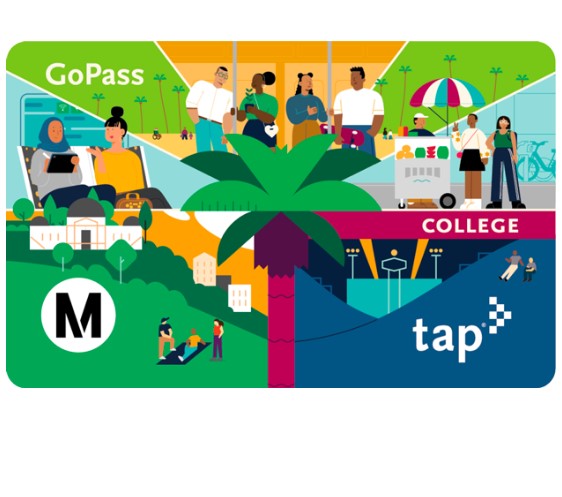
Metro Board Funds Free Student Transit Pass Program through July 2025
Metro student free passes funded another year - plus other updates from today's Metro board meeting
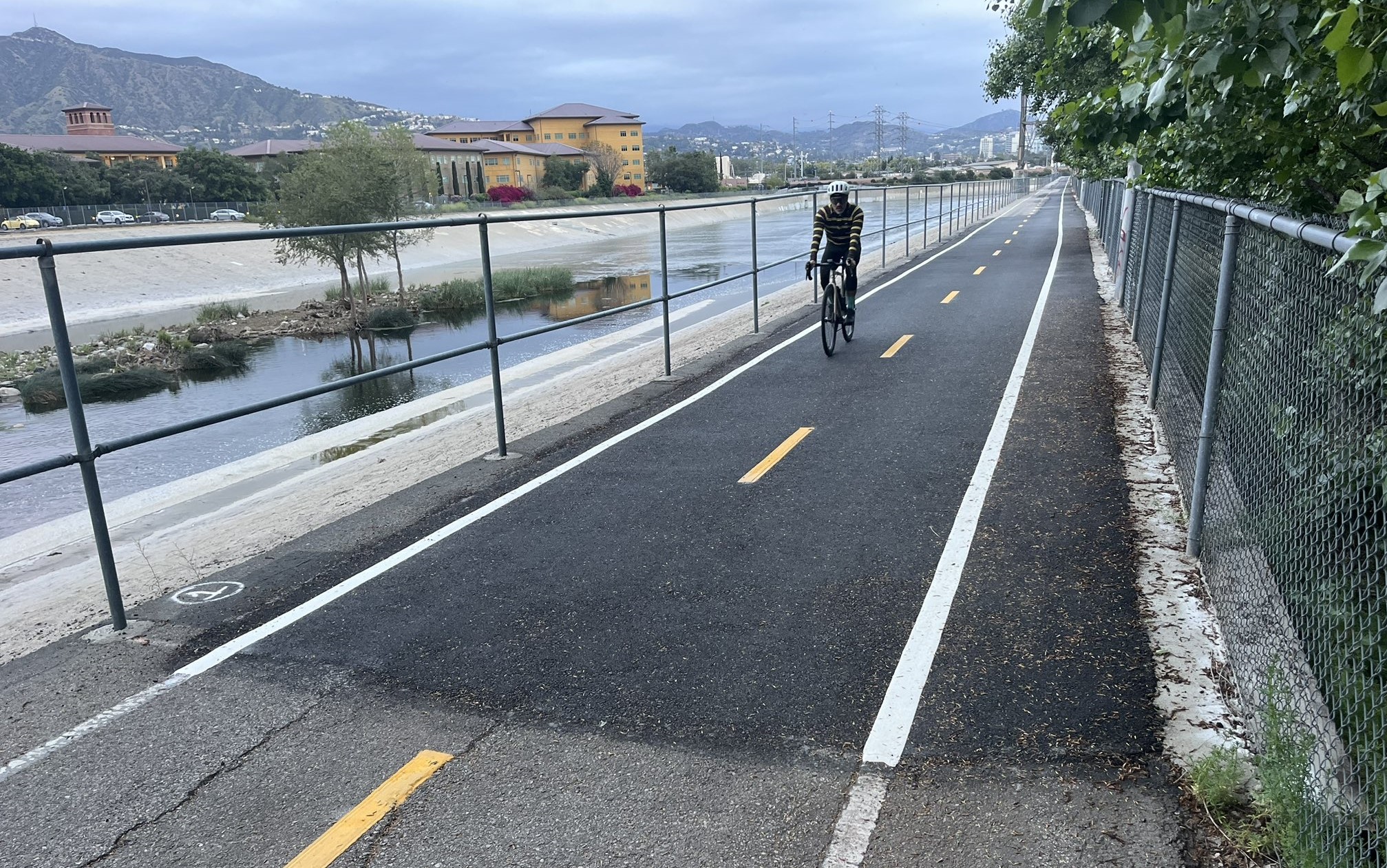

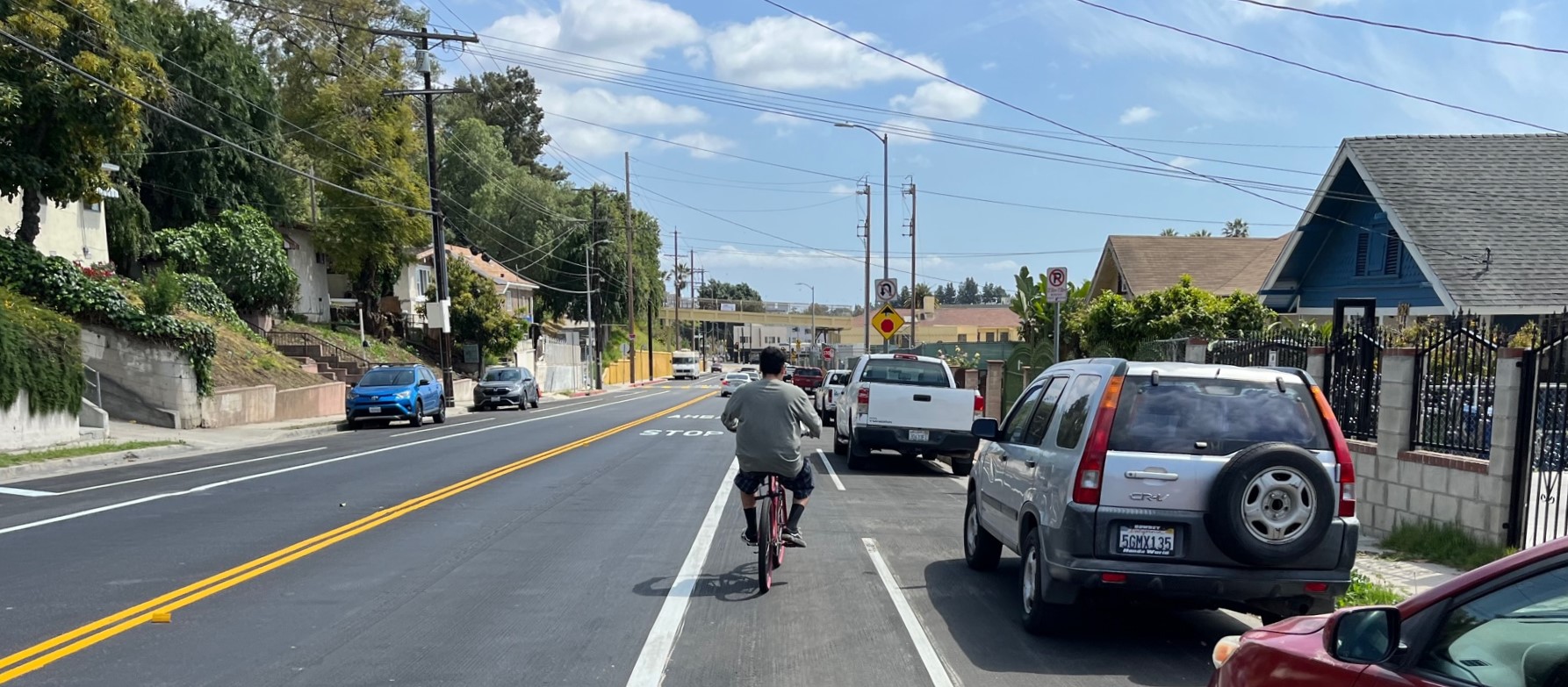
Eyes on the Street: New Lincoln Park Avenue Bike Lanes
The recently installed 1.25-mile long bikeway spans Lincoln Park Avenue, Flora Avenue, and Sierra Street - it's arguably the first new bike facility of the Measure HLA era
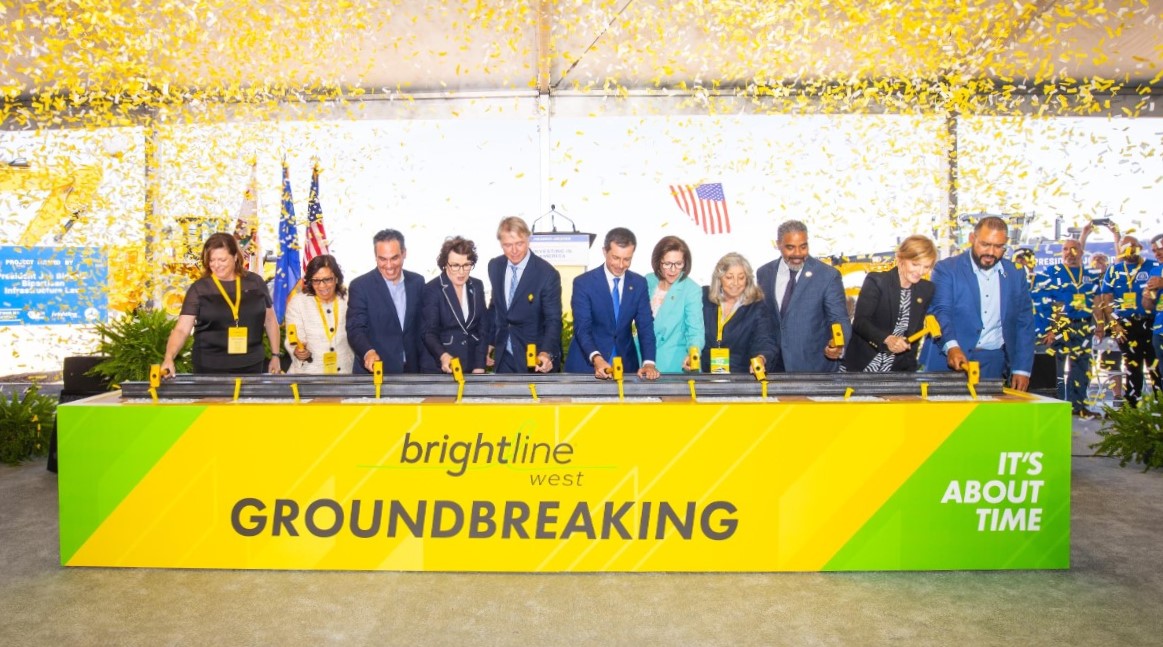
Brightline West Breaks Ground on Vegas to SoCal High-Speed Rail
Brightline West will be a 218-mile 186-mile-per-hour rail line from Vegas to Rancho Cucamonga - about 40 miles east of downtown L.A. - expected to open in 2028