AIA Asks: Is It Time to Ban Billboards?

This evening,the American Institute of Architects will host a forum debating whether Los Angeles should consider banning new billboards. In the event announcement the AIA notes:
Even asthe City struggles to identify and regulate existing off-site signage,it moves forward with creative sign districts and signage supplementaluse districts that add new off-site signs. There are currently atleast three additional supplemental-use signage districts proposed inLos Angeles. While the City seeks funds from these billboard districtsto realize important community-based projects, off-site signageadvocates justify overturning citywide ordinances limiting billboardsby pointing to the adoption of these same districts.
Put more briefly, the city has inconsistent goals and policies when it comes to controlling the amount of "offsite signage" cluttering our roadways.
The main arguments against these outdoor advertisements is the
intrusion on motorists and other street users. Recently, news articles
began appearing because the city is allowing lighted billboards to go
up that are lighting up the inside of people's homes. The main
argument to keep billboards, and allow people to put up more and more
of them, is the revenue it generates for the city.
The problem with lighted billboards may be one that is too large for the city to handle by itself. The San Jose Mercury News and New York Times have both looked at the problems created by lighted billboards in Los Angeles, and the city's inability to do much about it.
Legal entanglementsdating back years have hampered the city's ability to regulate outdoorsigns. In 2002, the council passed an ordinance prohibiting newbillboards and ordering an inventory of existing ones. But billboardcompanies challenged the ordinance in court. In 2006 and 2007, the citysettled lawsuits with three of the largest billboard companies: CBSOutdoor, Clear Channel Outdoor and Regency.
Under thesettlements, CBS and Clear Channel were allowed to convert as many as850 print billboards to electronic ones. The 50 or so billboardsconverted since then all have valid permits, making them legal, butcity officials say that given the terms of the settlements, the permitshad to be granted without adequate public review.
"It was probably a mistake to approve that legal settlement as it was," said Eric Garcetti, the council's president.
Sosometime in the next few weeks, Garcetti said, the council will vote onan emergency moratorium that would halt billboard conversions and newbillboard construction for six months. The lawmakers, now convincedthat the settlements were a bad idea and that they will find supportfor more stringent review in existing state environmental law, woulduse that time to strengthen their 2002 ordinance.
If Los Angeles were to move forward with a ban on new billboards, it wouldn't be the first city to do so, nor would it even be the first in California. In fact, a quick google search on "arguments against billboards" turns up hundreds of results of a debate going on nationwide, including this article from TIME Magazine from 1957.
The panel discussion begins tonight at 7 P.M. at the AIA's Los Angeles Headquarters, 3780 Wilshire Boulevard.
Photo: Claus 707/Flickr
Stay in touch
Sign up for our free newsletter
More from Streetsblog Los Angeles
Metro Board Funds Free Student Transit Pass Program through July 2025
Metro student free passes funded another year - plus other updates from today's Metro board meeting


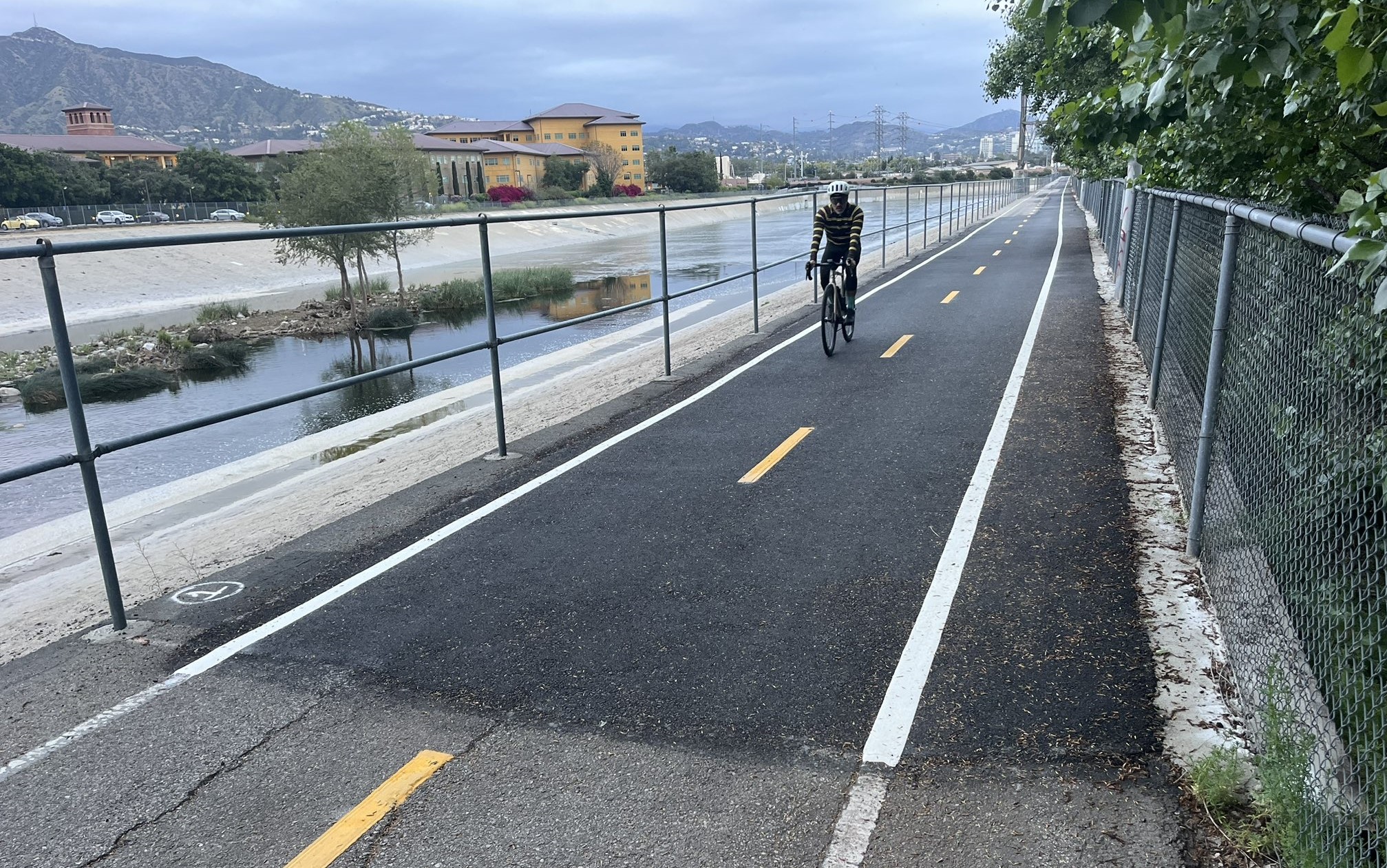

Eyes on the Street: New Lincoln Park Avenue Bike Lanes
The recently installed 1.25-mile long bikeway spans Lincoln Park Avenue, Flora Avenue, and Sierra Street - it's arguably the first new bike facility of the Measure HLA era
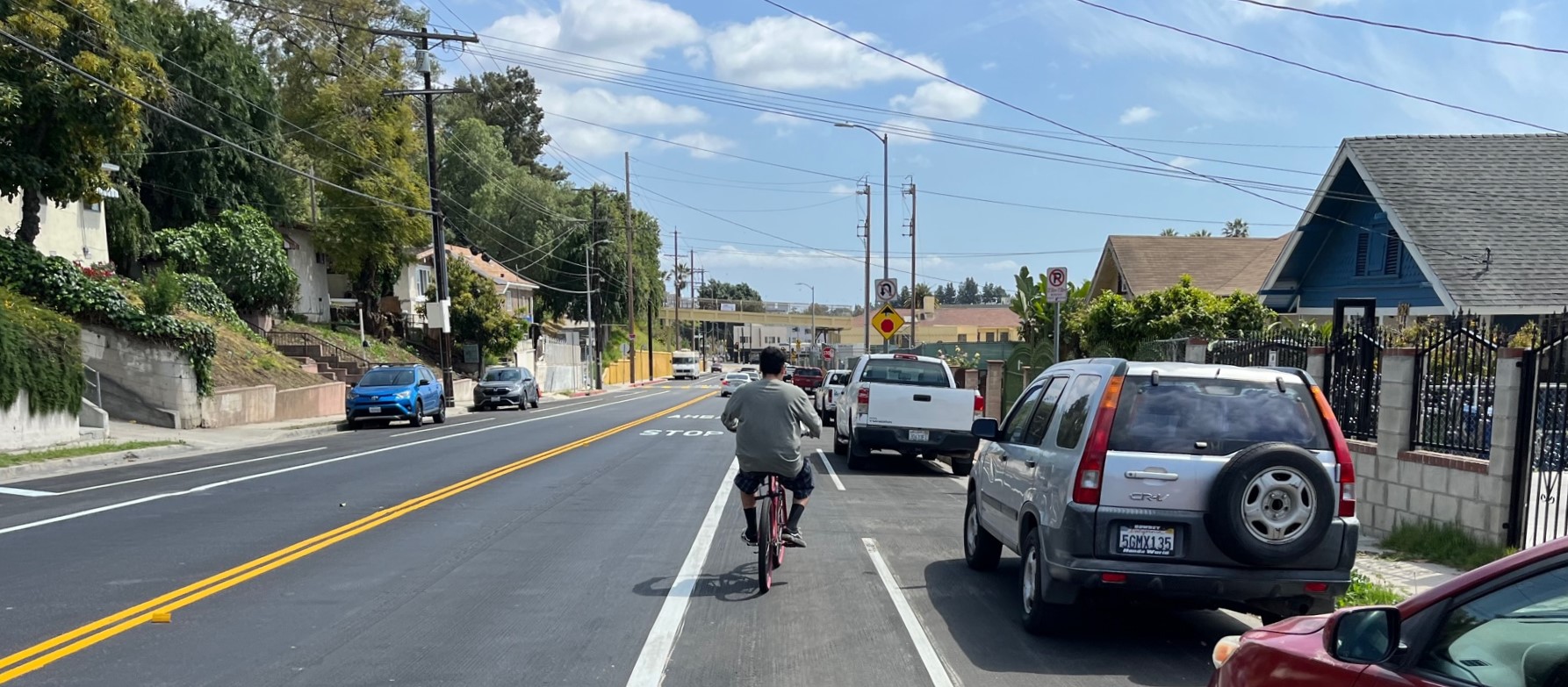
Brightline West Breaks Ground on Vegas to SoCal High-Speed Rail
Brightline West will be a 218-mile 186-mile-per-hour rail line from Vegas to Rancho Cucamonga - about 40 miles east of downtown L.A. - expected to open in 2028