The History Thats Led Us to This Weekend’s Special Metro Board Meeting
 Photo: biofriendly/Flickr
(Everyone knows that Dana is one of the Board members for the Southern California Transit Advocates, right? Good. - DN)
May 24, 2007 the
Metro Board held a public hearing to consider what the agency termed
euphemistically "fare restructuring". Tumultuous is word that best
captures what the six hours of public hearing held in the Metro Board
room that day were like. At the end I was exhausted and gladly took up
a friend's offer that we decompress by having dinner together (at the
then still open Old Spaghetti Factory outlet in Hollywood ).
The best overview of
the lead up to the hearing and its outcome is Hank Fung's article "MTA
Fares Increase" from the June 2007 issue of The Transit Advocate.
In the same issue
you can read in my monthly Public and Legislative Affairs column the
germ of the beginnings of a thought process that has shaped Southern
California Transit Advocate's approach to the Metro Special Board
Meeting being held this Saturday whose ostensible purpose is "to
receive public comments and for MTA to update the public on the
implementation of the scheduled July 1, 2010 fare increase." This
impending fare increase was actually part of the deal the Board
approved back in 2007, albeit originally to be implemented in 2009 then
delayed a year when Measure R was passed in the interim (R's
provisions included a one year fare freeze).
While I noted in 2007 the BRU exhibited "organizing
prowess" in drawing a huge turnout of supporters, I also felt that this
was squandered by their taking a no fare increase stance which was
great to generate applause and publicity but essentially DOA as to the
politics of the situation.
Interestingly Steve
Hymon at Metro's blog The Source has a similar reaction to the BRU's
repeat of its 2007 tactic of taking strident umbrage at an upcoming
fare increase. He muses on whether advocating for something similar
to a two hour ticket of the sort TriMet of Portland offers would be
more productive. "Rather than the same old discussion that Metro fares
must always remain the same, that to me seems a more reasonable course
so that service is preserved and value is added." The idea does seem to
have merit, although likely couldn't be done until the problems of TAP
are resolved (if that ever happens).
Comments I posted on this blog some months ago captures my thought process in approaching the upcoming meeting: that activists "not
get caught up again in the fare proposal mania some of us advocates
chased [in 2007]. Cutting fares etc. is not in the cards so how about
putting together a list of key bullet point strategies that need
leadership from the Board? The point is to have have better service as
an outcome so this process isn't just about revenues, etc."
At my
suggestion Southern California Transit Advocates is following this
strategy. Our members provided input for what ended up being six bullet
points that we will present at the meeting. Here is a preview:
Statement to May 8, 2010 Special Metro Board meeting
At
the Feb. 26, 2010 quarterly Meet & Confer we presented to the
Governance Councils a list of operational issues that we believe
deserves their attention. In a similar fashion we are requesting that
the Metro Board show leadership on some key larger concerns (structural
and policy) that in our view are being unfairly neglected. Our goal is
not necessarily the budgetary concerns that are the main purpose
motivating this meeting but useful improvements that would improve
service quality or begin reform of the policy responsibilities this
Board often does not pay sufficient attention to versus a persistant
habit of micro-management. By bringing these to the fore at this time
we allow Metro to shape its ongoing contract negotiations to seek Union
concurrence with these items, especially as it pertains to the final
bullet point on contracted service overhauling.
http://socata.net/
*It
is time for the Supervisors to use their clout to aid the city of L.A.
to find a solution to its disagreement with the County Office of the
Assessor regarding the possessory use tax and bus shelters (per the August 16, 2006 presentation to the Metro San Fernando Valley Service Governance Council).
http://www.metro.net/board/
*We
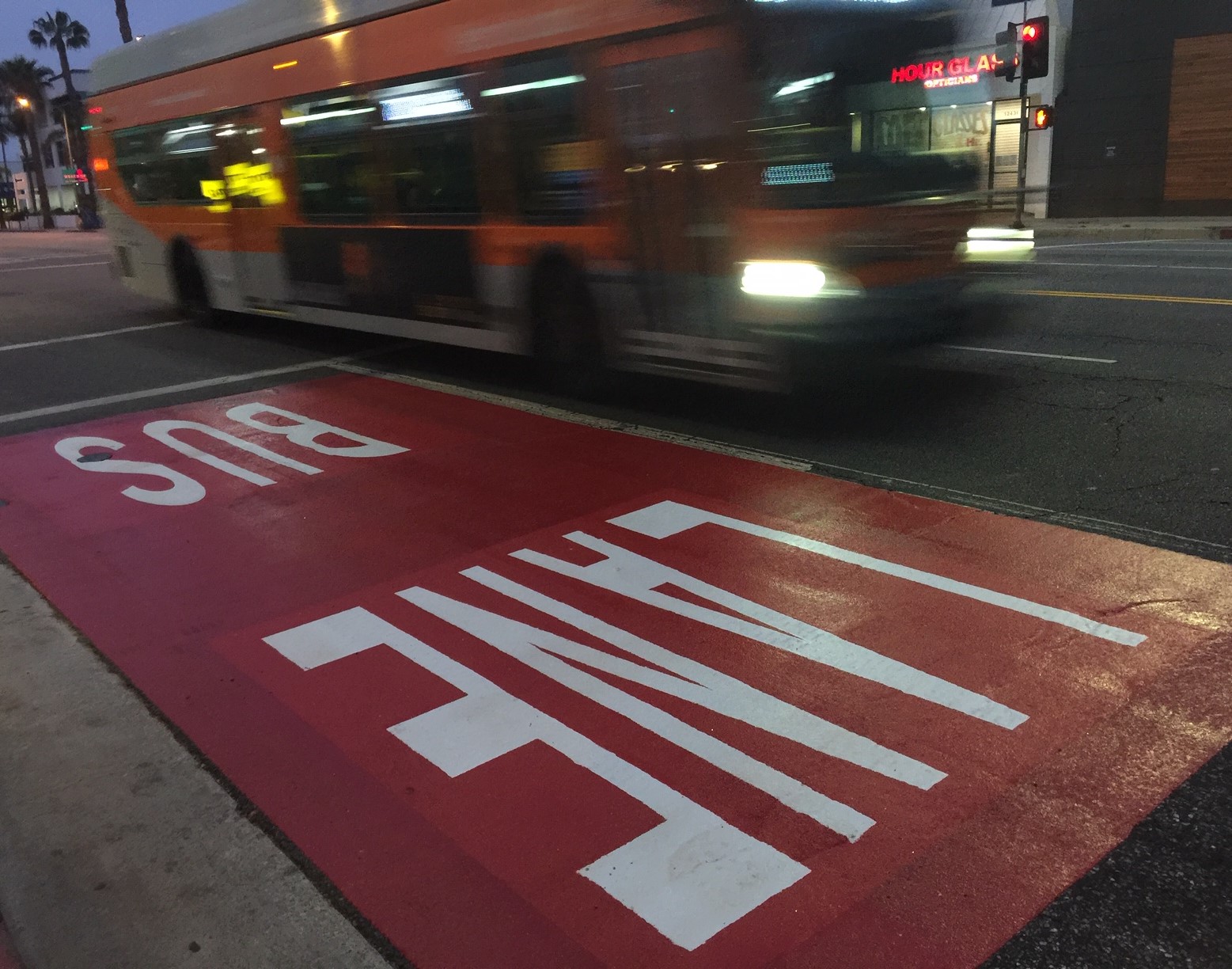
hope L.A. Mayor Villaraigosa will monitor the progress of the
implementation of the Wilshire bus lanes to ensure it is done
expeditious and does not get bogged down in LADOT’s lamentable foot
dragging that had un-necessarily delayed this project for nearly half a
decade.
*The MTA Board under the authority granted it by Public
Utility Code section 130051.9(d) should evaluate the potential
advantages of procuring legal services by a competitive process versus
the current contracting with L.A. County Counsel.
http://leginfo.ca.gov/cgi-bin/
*The Board needs to become pro-active in determining if TAP can be salvaged and whether the gating should be reconsidered.
*The
Board needs to request an audit of the performance of the contracted
bus lines--complaints, schedule adherence, accident rate, condition of
equipment and preventive maintenance as compared to services operated
in-house to see if the contracting is cost effective AND equivalent in
quality.
*Further in re contracting, consideration should be
given to overhauling the current scheme of contracted services. We
suggest to facilitate better connectivity, dispatching and more
efficient fleet utilization having the contracted services targeted to
a core regional area (for example the South Bay).
Stay in touch
Sign up for our free newsletter
More from Streetsblog Los Angeles
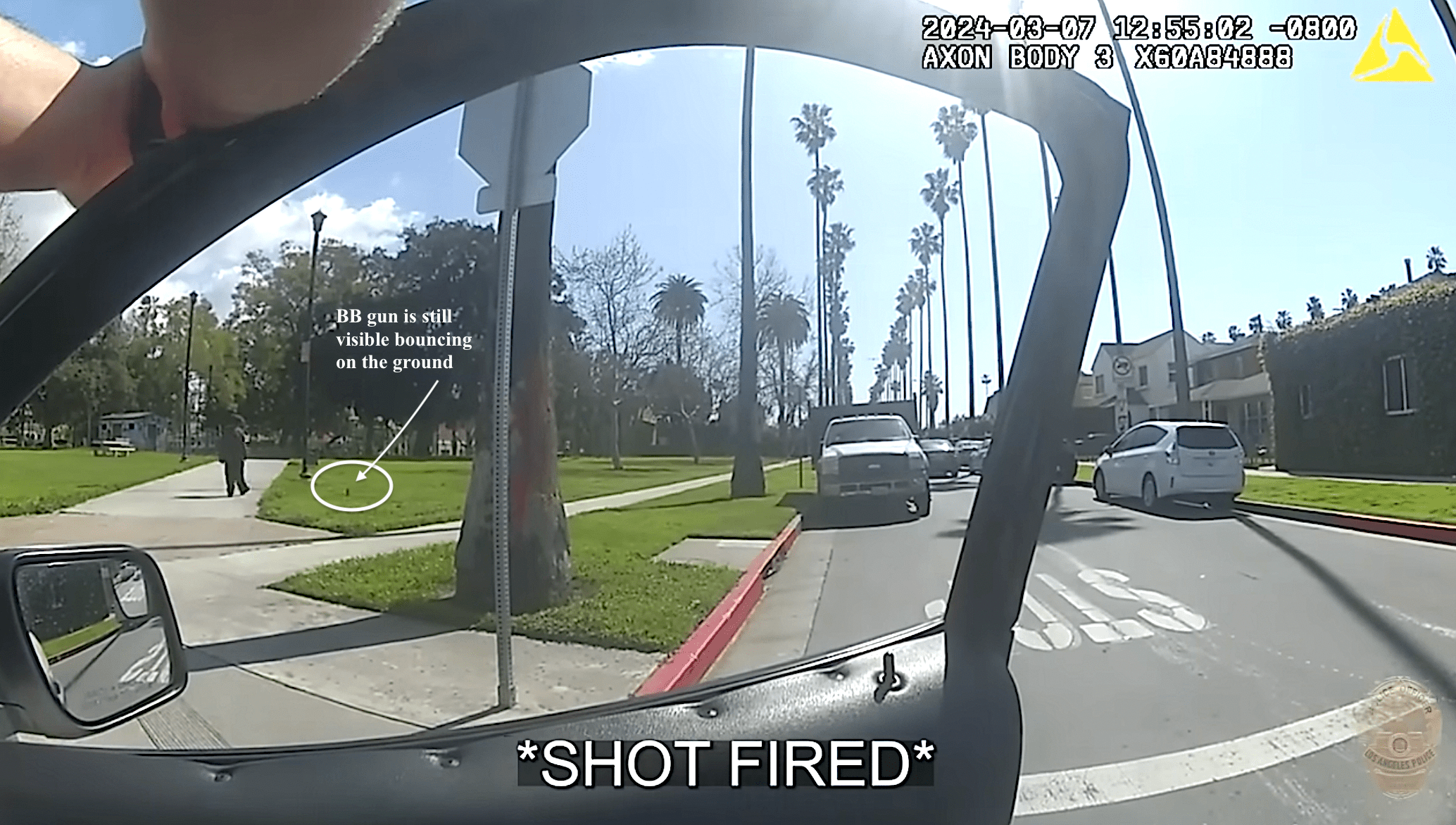
LAPD shoots, strikes unarmed unhoused man as he walks away from them at Chesterfield Square Park
LAPD's critical incident briefing shows - but does not mention - that two of the three shots fired at 35yo Jose Robles were fired at Robles' back.
Metro Committee Approves 710 Freeway Plan with Reduced Widening and “No Known Displacements”
Metro's new 710 Freeway plan is definitely multimodal, definitely adds new freeway lanes, and probably won't demolish any homes or businesses


Automated Enforcement Coming Soon to a Bus Lane Near You
Metro is already installing on-bus cameras. Soon comes testing, outreach, then warning tickets. Wilshire/5th/6th and La Brea will be the first bus routes in the bus lane enforcement program.