If a Transportation Engineer Were President
 A bit of pre-Election Day fun: Here's a mock state-of-the-union speech drafted for the next President by "Gridlock" Sam Schwartz, the former New York City Traffic Commissioner who created the word . Combining some ideas from Barack Obama's platform with some that no candidate would utter during a presidential campaign, he lays out a plan for infrastructure investment and how to pay for it:
The National Infrastructure Bank will assemble a portfolio of projectsfor investment by the public and private sector. I will follow theformula developed by the renowned economist Felix Rohatyn so that anyproject seeking over $75 million in federal support would be requiredto submit a proposal to the bank. The submission would include thecontribution to be made by the state and local governments, user feesand a plan for maintenance. The bank would then decide to fund theproject outright, or through credit guarantees for state bonds or loansagainst future revenues from user fees and other sound financialstrategies.
The federal government will favor cities that introduce congestion pricing. A recent studyby the Brookings Institute found that more than $100 billion could beraised annually by road pricing in the 98 largest metropolitan areas.We will adopt the previous administration’s call for a dedicated MetroMobility (MM) Program (pdf)for metropolitan areas with populations greater than 500,000. These arethe battle grounds for congestion, fuel inefficiencies and productionof greenhouse gases.
The gas tax is a dinosaur (pun intended). As long as it remains aflat tax at 18.4 cents per gallon and gas consumption decreases (a goalof my administration) it will be a dwindling source of revenue. Ipropose that the tax, like most other taxes, be indexed against thesale price. This way, when foreign influences raise the price of gas,some revenue will be returned to the taxpayers in public worksprojects. I propose a 5 cent/gallon increase over present levels, thefirst increase since 1993, to generate about $10 billion annually. But,if the price of gas goes down, and I hope it does, the tax will go downaccordingly.
Stay in touch
Sign up for our free newsletter
More from Streetsblog Los Angeles
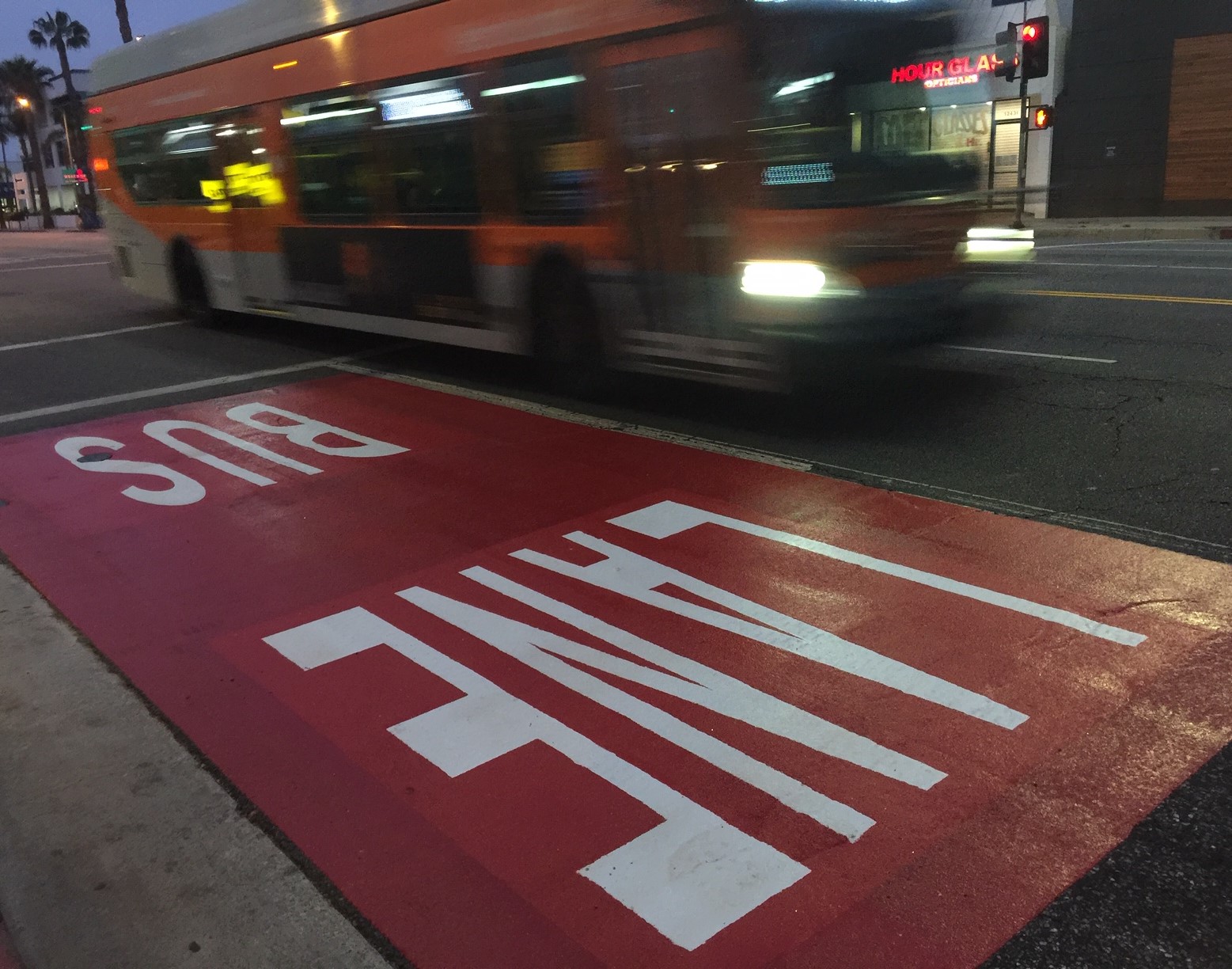
Automated Enforcement Coming Soon to a Bus Lane Near You
Metro is already installing on-bus cameras. Soon comes testing, outreach, then warning tickets. Wilshire/5th/6th and La Brea will be the first bus routes in the bus lane enforcement program.


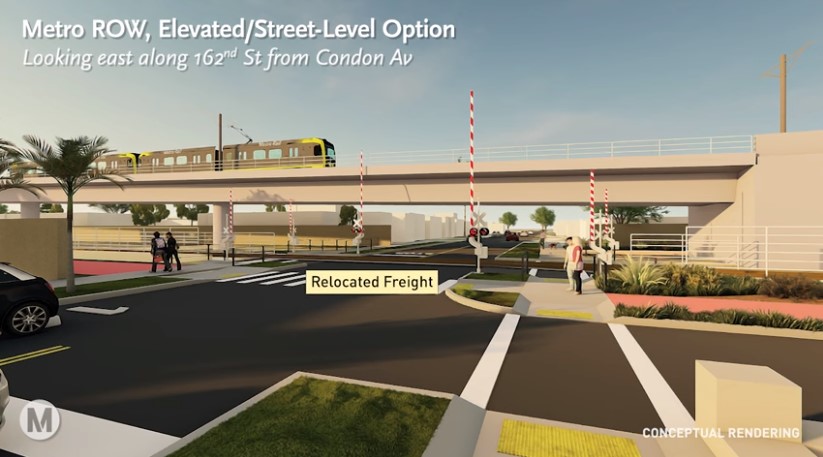
Metro Looks to Approve Torrance C Line Extension Alignment
Selecting the relatively low-cost hybrid alternative should help the oft-delayed South Bay C Line extension move a step closer to reality